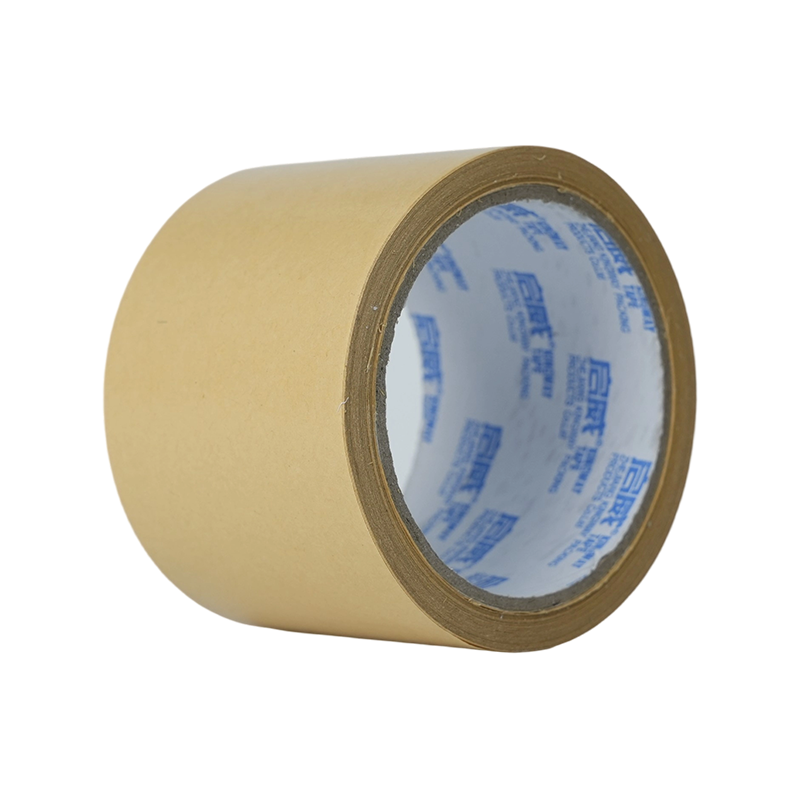
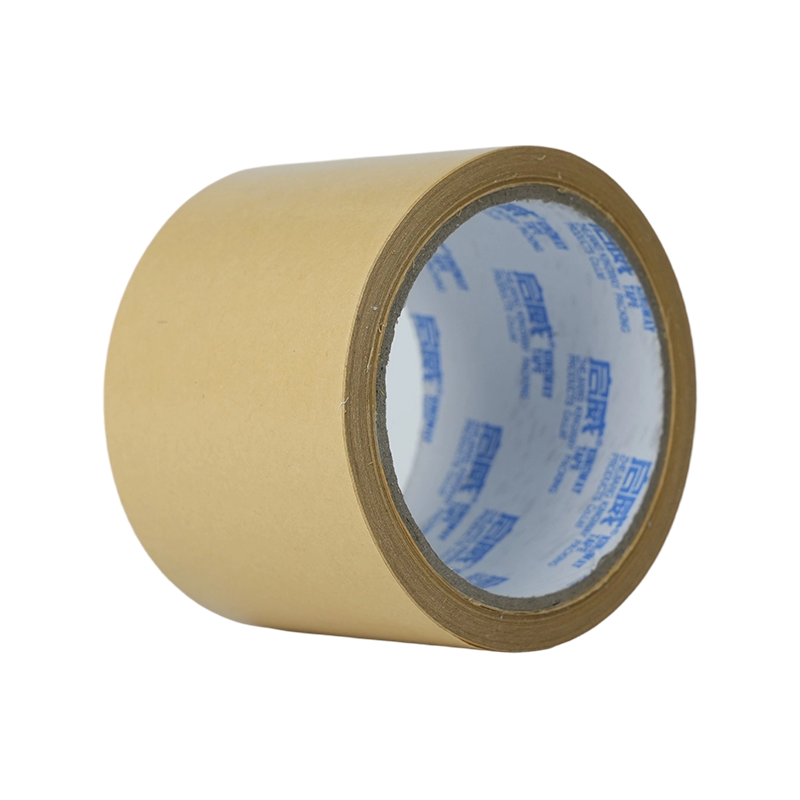
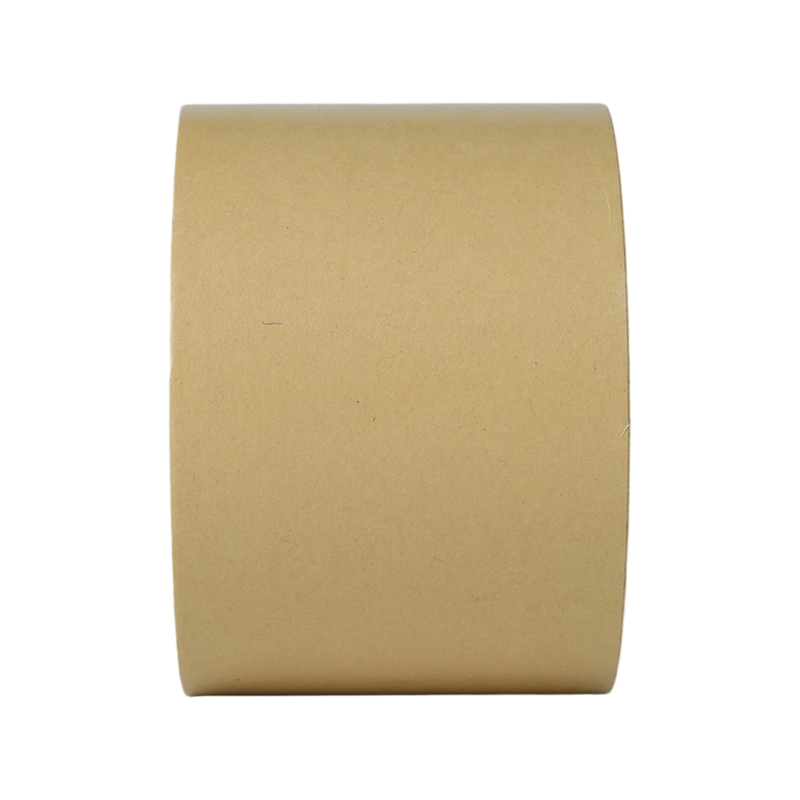
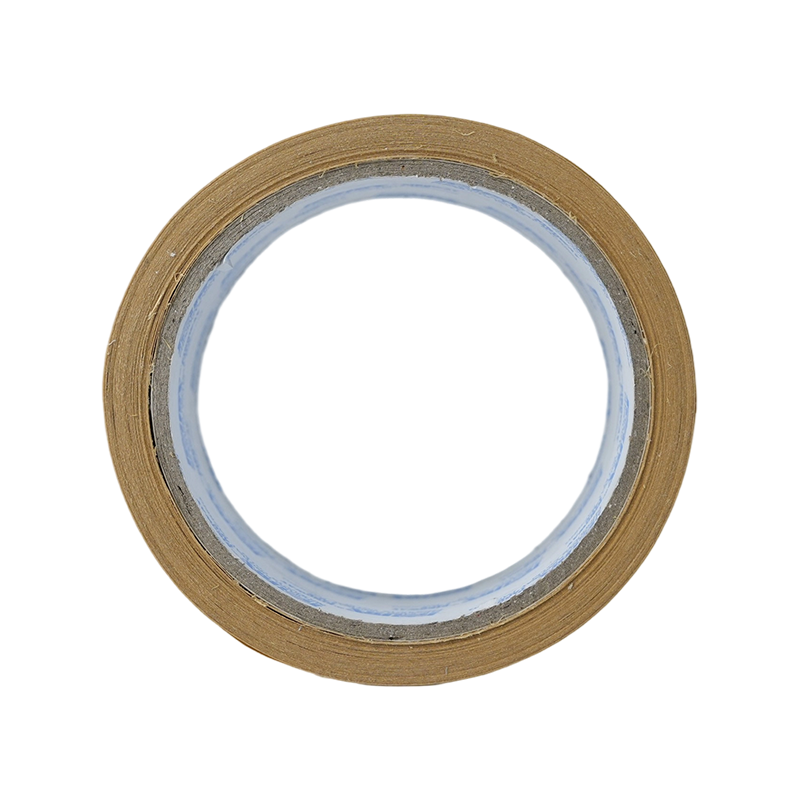
How strong is Kraft packing tape compared to plastic tape?
In the world of packaging and shipping, the choice of sealing tape is a critical decision that impacts security, efficiency, and sustainability. For decades, plastic-based tapes, particularly BOPP packing tape, have dominated the market due to their durability and cost-effectiveness. However, a growing shift towards eco-conscious practices has brought kraft paper tape back into the spotlight. This leads to a fundamental question for logistics managers, e-commerce entrepreneurs, and homeowners alike: How does the strength of kraft packing tape genuinely compare to its plastic counterpart? The answer is not a simple declaration of one being superior to the other, but rather an analysis of how different types of strength manifest in these materials.
Understanding the fundamental composition
To comprehend the strength characteristics of any material, one must first understand its fundamental composition. The base ingredients and manufacturing processes directly dictate performance.
What is kraft packing tape?
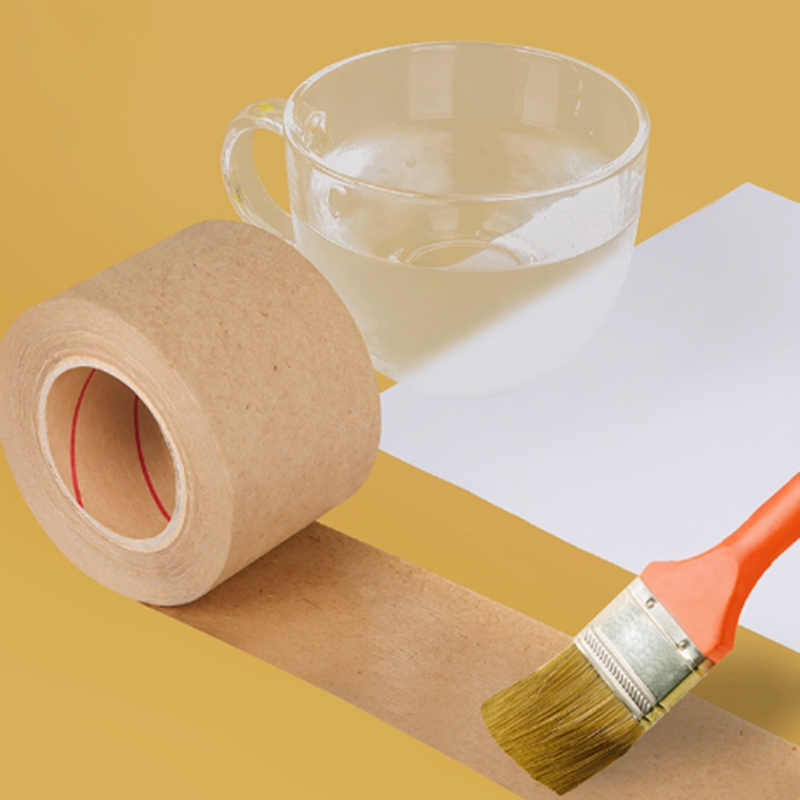
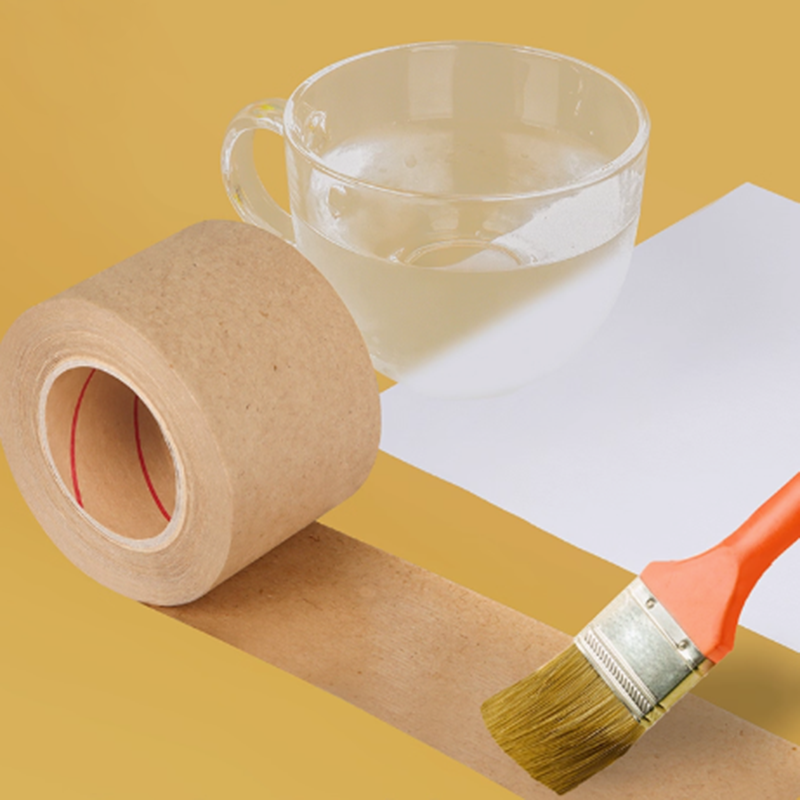
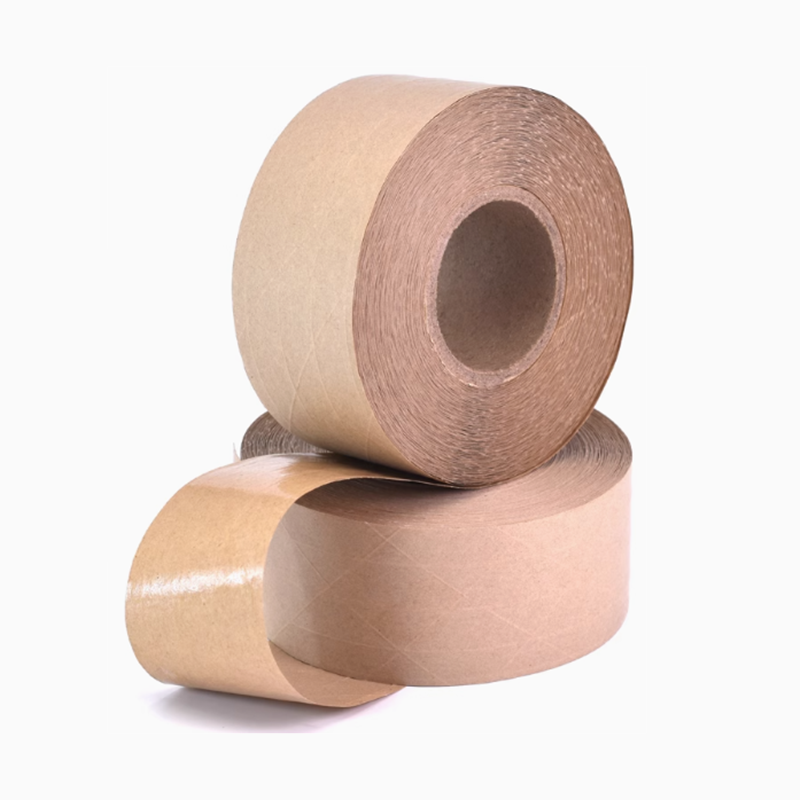
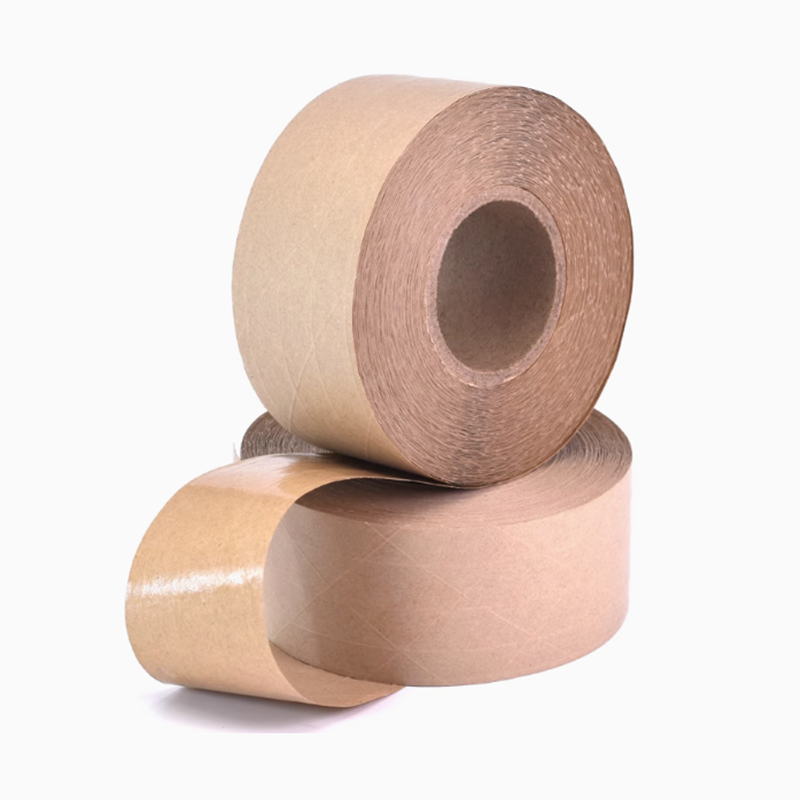
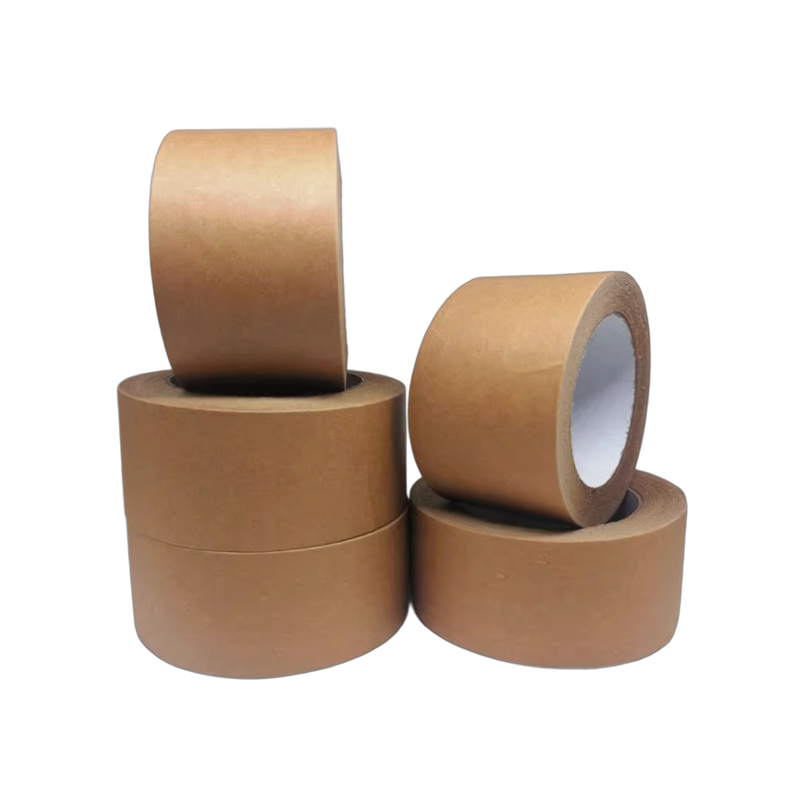
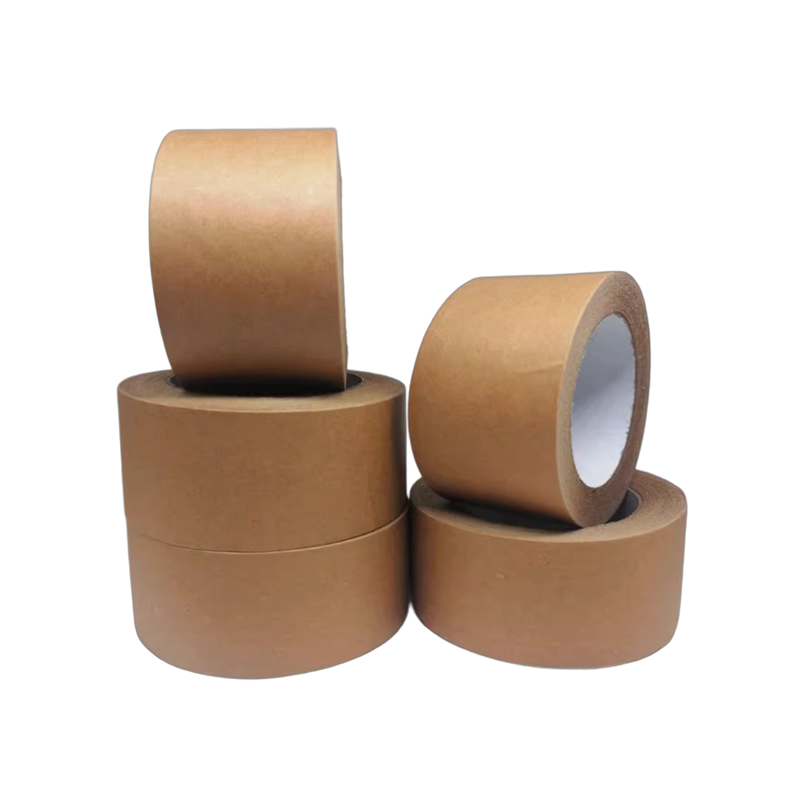
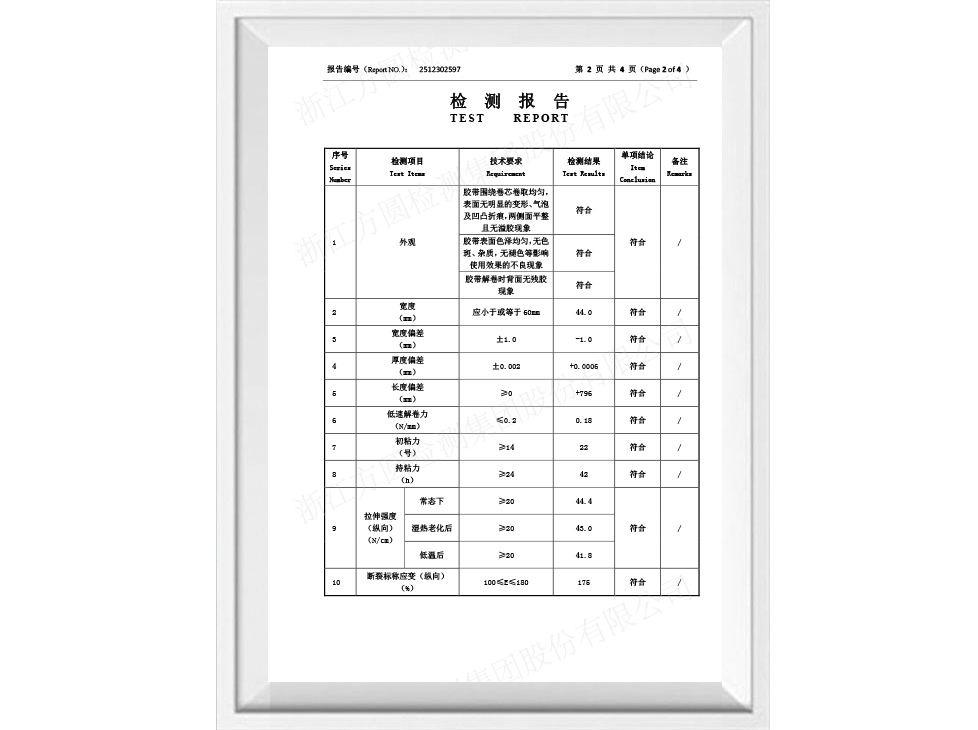
Kraft packing tape is an packaging material composed of natural kraft paper as the base material. This paper is known for its high tensile strength, which is further enhanced through specialized manufacturing processes. There are two primary types of kraft paper tape based on their adhesive system: self-adhesive and water-activated.
Self-adhesive brown paper tape functions similarly to conventional plastic tape, featuring a pressure-sensitive adhesive on a release liner. The more robust variant, water-activated kraft packing tape (also known as gummed tape), requires moisture to activate its adhesive. When wetted, the adhesive becomes a powerful glue that penetrates the fibers of the corrugated cardboard, creating an exceptional bond. Kraft paper tape is characterized by its high-strength adhesion, biodegradability, and wide applicability, making it a versatile choice for various industries.
The anatomy of plastic packing tape
The most common type of plastic packing tape is made from Biaxially Oriented Polypropylene (BOPP). The “biaxially oriented” process involves stretching the plastic film in two directions, which significantly increases its tensile strength and tear resistance. This BOPP packing tape is then coated with a pressure-sensitive acrylic or rubber-based adhesive. The resulting product is a thin, flexible, and very strong tape that is resistant to moisture, abrasion, and many chemicals. Its clarity also allows for easy scanning of printed labels and box contents, a feature not inherent to opaque brown paper tape.
Key material properties at a glance
The following table summarizes the core compositional differences that influence strength:
| Property |
Kraft Packing Tape (Water-Activated) |
Plastic Packing Tape (BOPP) |
| Base Material |
Natural Kraft Paper fibers |
Biaxially Oriented Polypropylene (BOPP) plastic film |
| Adhesive Type |
Water-activated glue (or pressure-sensitive for self-adhesive) |
Pressure-sensitive acrylic or rubber-based adhesive |
| Primary Strength |
High tensile strength; superior fiber-tear bond with cardboard |
High tensile and tear resistance; strong surface adhesion |
| Environmental Profile |
Biodegradable, compostable, recyclable |
Not biodegradable; recyclable in some streams, but often considered contamination |
A multi-faceted analysis of strength
The term “strength” in packaging tape can be broken down into several distinct properties. A tape might excel in one area while being average in another, which is precisely the case when comparing kraft packing tape to plastic tape.
Tensile strength and puncture resistance
Tensile strength refers to the maximum load a material can support without breaking when it is stretched. In this specific area, high-quality BOPP packing tape often has a higher tensile strength pound-for-pound compared to standard kraft paper tape. The molecular structure of the biaxially oriented polypropylene creates a film that is very difficult to pull apart. This also contributes to its superior puncture resistance; a sharp corner or object is less likely to pierce through the plastic film.
However, this is not the complete story for kraft packing tape. While the paper itself may have a lower tensile strength, the enhanced, reinforced varieties are exceptionally strong. More importantly, the inherent fiber structure of paper gives it a different kind of durability, resisting splitting in a way that plastic cannot. When we talk about kraft packing tape, its true strength often lies not in the tape alone, but in the bond it creates.
Adhesive strength and the bond with cardboard
This is the domain where water-activated kraft packing tape truly distinguishes itself. Adhesive strength, or holding power, is measured by the tape’s ability to remain adhered to a surface under stress. While BOPP packing tape forms a strong bond on the surface of the cardboard, water-activated kraft packing tape creates a molecular-level bond.
When the water-soluble adhesive is activated, it penetrates the top layer of the corrugated cardboard, saturating the paper fibers. As it dries, the tape essentially becomes a permanent, integrated part of the box itself. This phenomenon is known as “fiber tearing,” meaning an attempt to remove the tape will result in tearing the top layer of the cardboard fibers before the adhesive bond fails. This creates a seal that is highly tamper-evident and incredibly secure. For heavy items or boxes that will be stacked high in a warehouse, this superior bond provided by kraft packing tape can prevent box flaps from peeling open under pressure.
Shear strength and load-bearing capacity
Shear strength is the ability of the adhesive to resist forces sliding parallel to the bond line. This is critical for boxes that are stacked in pallets for extended periods. The constant pressure can cause tape to slowly creep and fail. The fiber-tear bond of water-activated kraft packing tape offers exceptional resistance to this type of stress. The bond is static and does not creep, meaning it can support heavy static loads for long durations more effectively than many pressure-sensitive adhesives.
Plastic tapes, while strong, rely entirely on the surface adhesion of their adhesive. Under constant heavy load, some pressure-sensitive adhesives can gradually yield, leading to potential seal failure. For this reason, many in the logistics and e-commerce sectors prefer kraft packing tape for sealing boxes that will form the base of a heavy pallet stack.
Performance in real-world conditions
Theoretical strength is important, but performance in real-world shipping and storage environments is what ultimately matters.
Resistance to environmental factors
Temperature and humidity
Plastic BOPP packing tape generally performs well across a wide temperature range and is largely unaffected by humidity. Its adhesive may become brittle in extreme cold or overly soft in extreme heat, but the tape itself is stable. Kraft packing tape, being paper-based, is more susceptible to environmental conditions. In very high humidity, the paper can absorb moisture, which could potentially weaken the tape and reactivate the adhesive, leading to a messy seal. In very dry conditions, the paper can become brittle. However, modern variants of kraft paper tape are often treated with additives to enhance their moisture resistance, making them suitable for most common shipping environments.
Abrasion and wear
During transit, boxes rub against each other and various surfaces. The smooth surface of BOPP packing tape has good abrasion resistance. Kraft paper tape, with its textured surface, is more prone to scuffing and surface wear. However, because its strength is derived from its deep bond with the box, superficial scuffing does not typically compromise the integrity of the seal, whereas deep abrasion on plastic tape can breach the film layer.
Tamper evidence and security
This is a significant advantage for water-activated kraft packing tape. Due to its fiber-tearing nature, any attempt to remove it will visibly destroy the tape and the top layer of the cardboard. It cannot be removed and re-applied without clear, obvious damage. This makes it an excellent choice for securing valuable goods, legal documents, or any shipment where tampering is a concern. Plastic tape can often be carefully removed with heat or solvents and re-applied with little evidence, offering a lower level of security.
Choosing the right tape for your application
The decision between kraft packing tape and plastic tape should be guided by the specific needs of the application.
When to choose kraft packing tape
The unique properties of kraft packing tape make it the preferable choice in several key scenarios:
- Heavy and High-Stacked Boxes: Its superior shear strength and fiber-tear bond prevent flaps from bulging open under extreme weight.
- Tamper-Evident Shipping: For security-conscious shipments, the irreversible bond provides clear evidence of any interference.
- Sustainable and Eco-Friendly Branding: Companies focusing on a green supply chain can use recyclable kraft paper tape to enhance their brand image and reduce plastic waste. Its biodegradability is a major advantage.
- Compatibility with Recycled Cardboard: It bonds exceptionally well with recycled cardboard, which can have a rougher and more porous surface that sometimes challenges plastic tapes.
When plastic tape may be sufficient
Plastic BOPP packing tape remains a highly effective and efficient choice for many applications:
- General Purpose E-commerce: For standard-weight packages that do not require extreme load-bearing capacity.
- High-Humidity Environments: Where the consistent performance of a moisture-resistant tape is paramount.
- Cost-Sensitive, High-Volume Operations: Where the speed of application and lower material cost are primary drivers.
- When Clarity is Needed: When it is necessary to see labels or writing on the box through the tape.

 English
  Español
  Français