What are the Different Types of Double Sided Adhesive Tape?
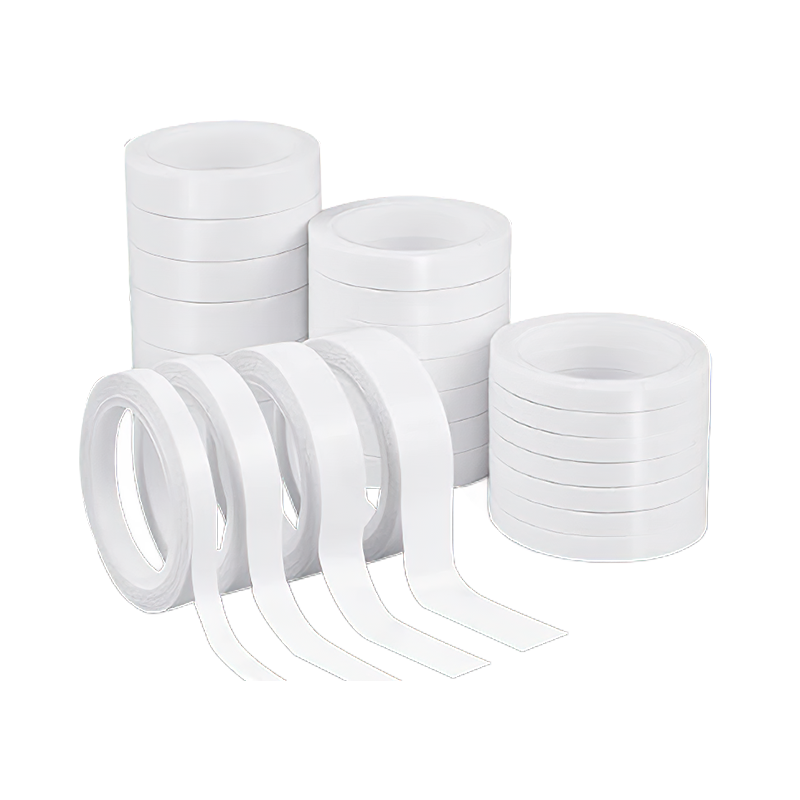
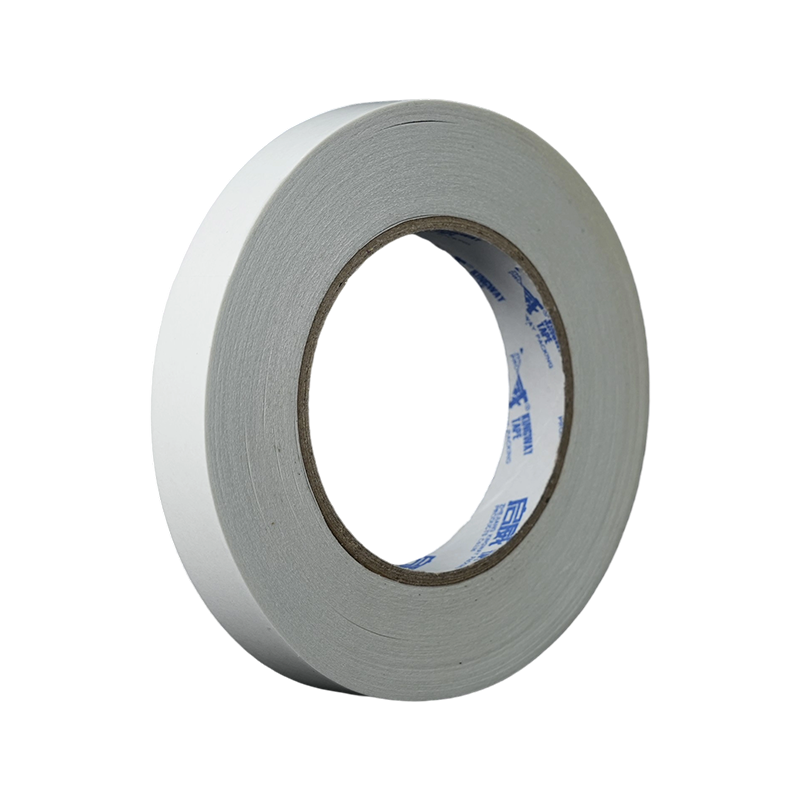
In the world of assembly, manufacturing, and DIY projects, the need for a clean, strong, and reliable bonding method is paramount. Enter double sided adhesive tape, a versatile and often superior alternative to liquid adhesives, screws, or mechanical fasteners. At its core, double-sided tape is a roll of adhesive tape, which consists of three parts: substrate (such as paper, cloth, plastic film, etc.), adhesive (such as elastomeric pressure-sensitive adhesive or resin-based pressure-sensitive adhesive) and release paper (film). Its core function is to achieve firm adhesion of objects through double-sided adhesive coating, and is widely used in electronics, automobiles, home furnishings, handicrafts and other fields.
The Fundamental Structure of Double Sided Tape
To understand the different types, one must first be familiar with the basic anatomy of a double sided adhesive tape. Every variant is an engineered composite of three critical components.
The Adhesive Layer
The adhesive is the business end of the tape, the component that creates the bond. There are two primary classes of pressure-sensitive adhesives used. Rubber-based adhesives offer high initial tack and excellent adhesion to a variety of surfaces, including low-energy plastics where other adhesives might struggle. Acrylic-based adhesives, on the other hand, provide superior environmental resistance. They exhibit excellent performance under UV exposure, temperature fluctuations, and chemical solvents, and they tend to have better long-term aging properties, though they may require a short period to develop full bond strength.
The Carrier or Substrate
The carrier is the central layer that gives the tape its body, thickness, and fundamental physical characteristics. It is coated on both sides with adhesive. The choice of carrier material—whether it’s a thin film, a foam, or a woven scrim—directly determines the tape’s flexibility, conformability, tensile strength, and shock absorption capabilities. This is the primary differentiator between the main categories of tape.
The Release Liner
The release liner is a protective layer, often silicone-coated paper or film, that prevents the adhesive from sticking to itself on the roll. It is peeled away and discarded during application. Liners can be single sheets or feature a split-line for easier handling of large tapes.
A Detailed Look at Common Carrier-Based Tapes
Carrier-based tapes are the most prevalent category, defined by the material used as the central substrate. Each type offers a distinct balance of properties.
Film Tapes: The Thin, High-Strength Solution
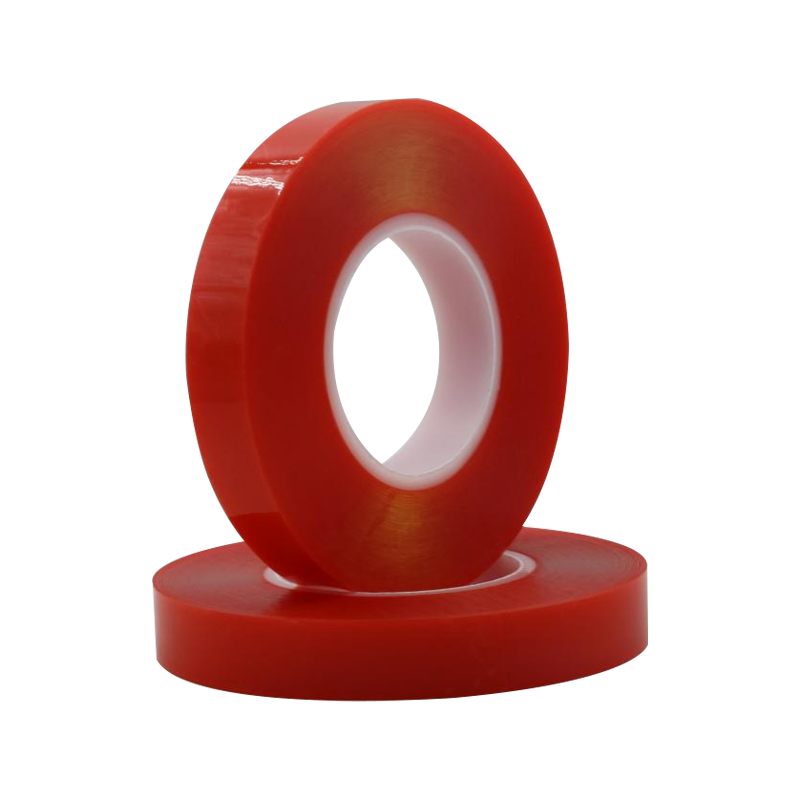
Film carriers are typically made from thin, durable materials like polyester, polypropylene, or vinyl. These tapes are known for their exceptional tensile strength and thin profile.
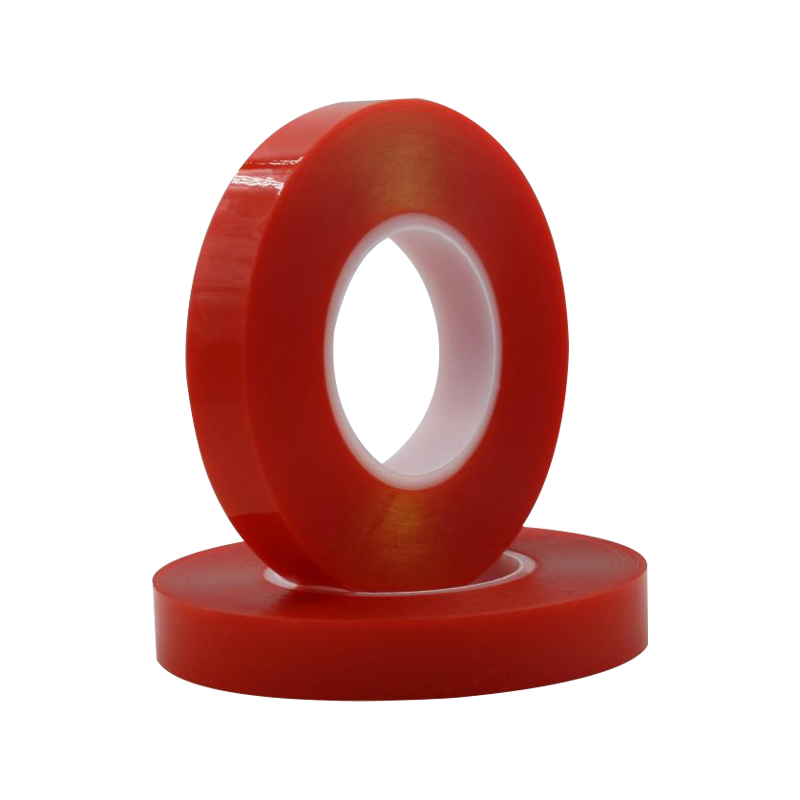
- Polyester (PET) Tapes: This is a premier choice for high-strength, permanent bonding. Polyester film tapes exhibit outstanding resistance to chemicals, solvents, and high temperatures, and they have very low elongation, meaning they don’t stretch under load. They are extensively used in the electronics industry for mounting nameplates, assembling touch screens, and bonding components where a thin, rigid bond is required. Thin double sided tape made from polyester is ideal for applications where a discreet but powerful bond is critical.
- Polypropylene (PP) Tapes: These tapes offer a more economical option with good moisture resistance and a conformability that falls between polyester and foam. They are suitable for general-purpose mounting, graphic arts, and bonding lighter materials.
The following table summarizes the key characteristics of film tapes:
| Feature |
Polyester (PET) Tape |
Polypropylene (PP) Tape |
| Primary Strength |
High tensile strength, low stretch |
Moderate tensile strength |
| Temperature Resistance |
Excellent |
Good |
| Chemical Resistance |
Excellent |
Good |
| Conformability |
Low (Rigid) |
Moderate |
| Common Applications |
Electronics assembly, nameplate mounting |
General mounting, graphic arts, signage |
Foam Tapes: Masters of Conformability and Gap Filling
Foam tapes utilize a carrier made from closed or open-cell foam, most commonly acrylic, polyethylene, or polyurethane. Their primary advantage is the ability to fill gaps, seal out environmental elements, and absorb shock and vibration.
- Acrylic Foam Tapes: Often referred to as double sided mounting tape, acrylic foam tapes are the heavyweight champions of the bonding world. They possess very high adhesion and shear strength, allowing them to replace mechanical fasteners in many applications. The foam conforms exceptionally well to irregular surfaces, creating a strong, permanent bond. They are the standard for mounting architectural panels, attaching trim and moldings in automotive assembly, and securing heavy objects to walls.
-
- Polyethylene (PE) Foam Tapes: These are softer, more compressible foam tapes. They provide excellent cushioning and are often used for sealing, gasketing, and attaching lightweight items where shock absorption is a priority. They offer good resistance to moisture and are generally easy to compress during application.
Tissue and Paper Tapes: The Lightweight and Removable Options
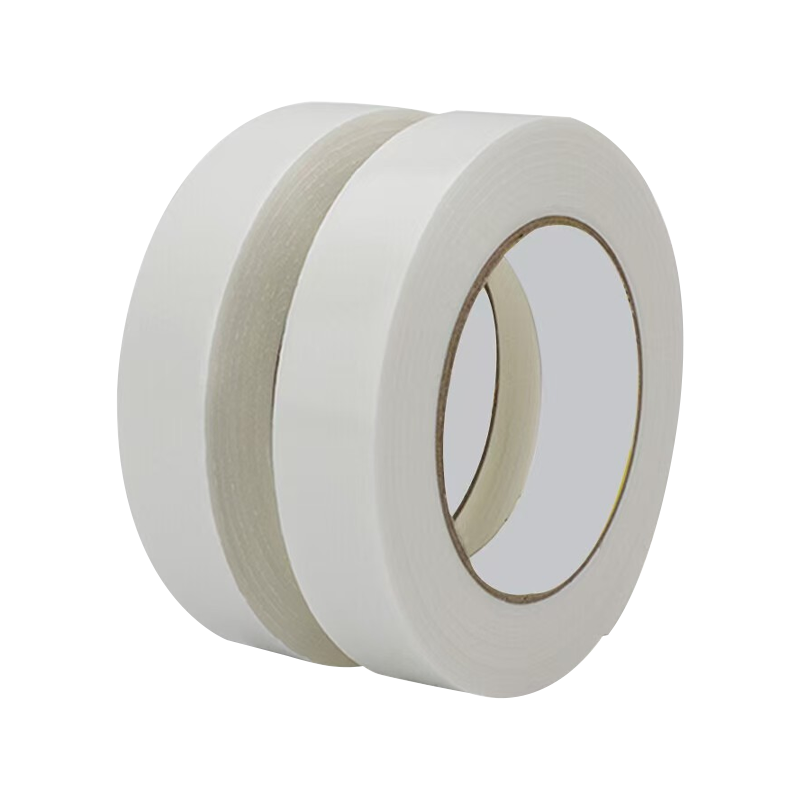
These tapes use a very thin carrier, such as crepe paper or non-woven tissue, resulting in an ultra-flexible and easy-to-tear product.
- Applications: They are predominantly used for temporary holding (tacking), splicing paper and films, and mounting carpets or lightweight crafts. Some tissue-based tapes are designed to be removable, making them suitable for securing patterns or holding items in place during processing without leaving a difficult-to-remove residue.
Transfer Tapes: The Invisible Bond
Transfer tapes are unique as they consist solely of a unsupported layer of adhesive on a release liner. Once the liner is removed, there is no carrier, only adhesive. This makes them ideal for creating a perfectly invisible bond line or for applications with extreme conformability requirements, such as applying veneers or bonding very thin materials.
Specialized Tapes for Demanding Applications
Beyond the common carrier-based tapes, several specialized formulations exist to solve specific engineering challenges.
VHB Tapes: The Ultimate Mounting Solution
Very High Bond (VHB) Tape is a category of ultra-high-performance acrylic foam tape pioneered by 3M. It has become a generic term for tapes capable of replacing welds, rivets, and screws in structural applications. VHB tapes distribute stress evenly, reduce corrosion, dampen noise and vibration, and create a smooth, clean appearance. They are the go-to choice for mounting curtain walls, assembling metal frameworks, and in heavy-duty transportation manufacturing.
Thermally Conductive & Electrically Insulating Tapes
In the electronics industry, managing heat is critical. Thermally conductive double sided adhesive tape is engineered to provide a path for heat to flow from a component (like a LED chip or a processor) to a heat sink, all while maintaining a strong mechanical bond. Crucially, these tapes also serve as electrical insulators, preventing short circuits. The carrier is typically a glass cloth or polymer film filled with thermally conductive ceramic particles.
Electrically Conductive Tapes
The opposite of the previous type, these tapes are designed to carry an electrical current. They are filled with conductive particles like silver or nickel and are used for grounding, shielding against electromagnetic interference (EMI), and making electrical connections where soldering is not feasible.
Selecting the Right Tape: A Guide to Key Performance Properties
Choosing the correct double sided adhesive tape is a systematic process of matching the tape’s properties to the application’s requirements. Key properties to consider include:
- Adhesion (Peel Strength): This measures the force required to peel the tape from a surface. A high peel strength is necessary for applications subject to lifting forces.
- Shear Strength: This measures the tape’s resistance to a sliding or slipping force parallel to the bond line. For holding a heavy object on a wall, high shear strength is the most critical property.
- Tack: This is the “stickiness” or initial adhesion of the tape the moment it contacts the surface. High tack is useful for holding items in place immediately before the full bond develops.
- Temperature Resistance: Consider both the application temperature and the service temperature range. A tape used in an automotive engine compartment must withstand much higher temperatures than one used for indoor crafts.
- Chemical & UV Resistance: For outdoor applications or those involving exposure to solvents, oils, or cleaners, the tape must be resistant to these elements to prevent degradation of the adhesive.
- Thickness & Conformability: A thicker, foam-based tape is necessary to fill gaps between uneven surfaces, while a thin, rigid film tape is better for smooth, flat surfaces.

 English
  Español
  Français