How Can Packing Material and Wrapping Material Transform Packaging Efficiency?
The Functional Essence of Packing Material
At its core, packing material refers to the composite range of substances and structures used to enclose, cushion, secure, and display goods during storage and shipment. From wrapping material such as stretch films and shrink wraps to structural elements like tapes, foams, and cartons, each material contributes to maintaining product integrity while ensuring logistical efficiency.
The modern definition extends beyond simple containment. A well-designed packaging and wrapping solution now incorporates multifunctional attributes—moisture resistance, load stability, anti-static protection, and even traceability integration for supply chain monitoring. Thus, packing materials are no longer peripheral components but essential instruments of quality assurance, efficiency enhancement, and brand expression.
Structural Composition and Material Typology
The architecture of contemporary packing materials can be categorized based on composition and function:
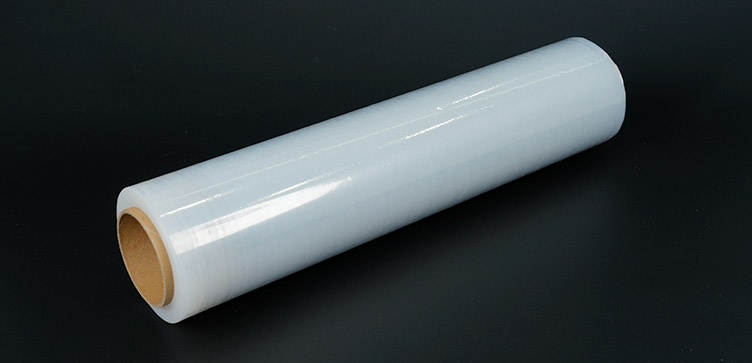
Polymeric Films: Materials such as PE stretch film and PVC shrink wrap are primarily used for elastic wrapping and load stability. These films are essential in logistics and warehousing, providing secure and efficient protection for palletized goods.
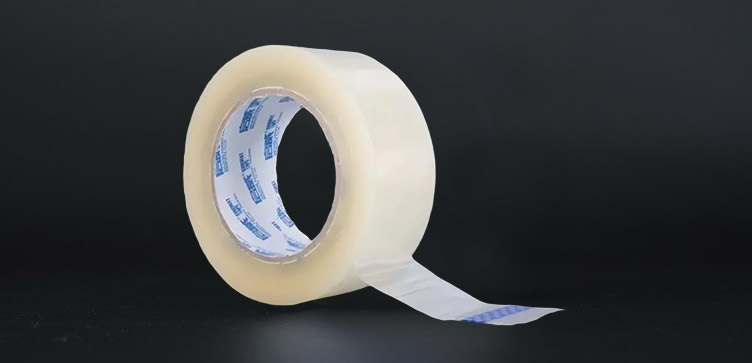
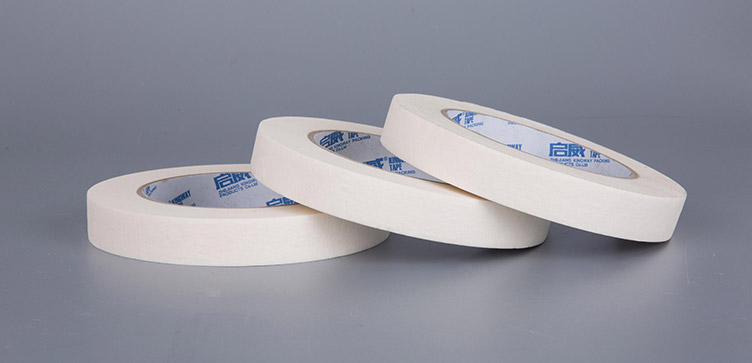
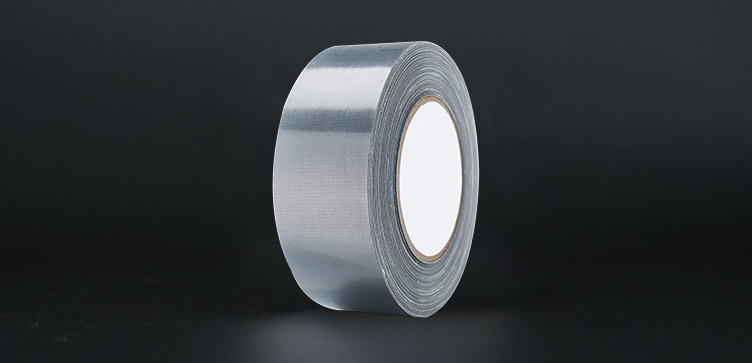
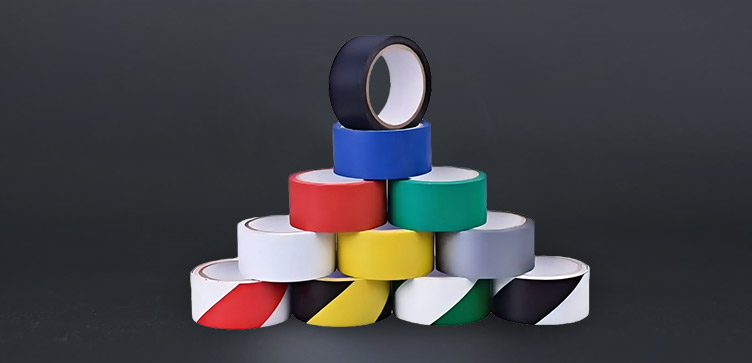
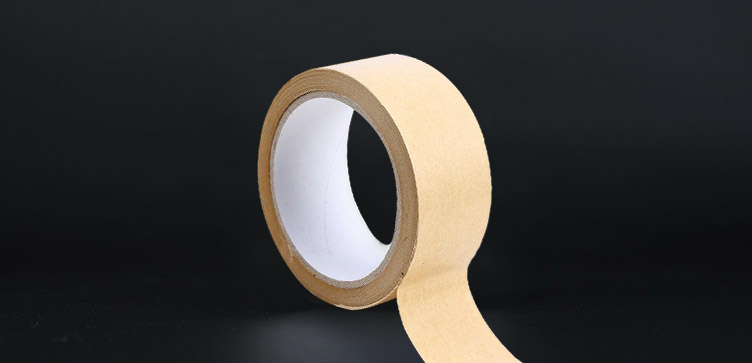
Adhesive-Based Products: Products including BOPP packing tape, masking tape, stationery tape, and cloth tape serve multiple roles such as sealing, labeling, and surface protection. These materials are widely applied in carton sealing and various industrial settings.
Paper and Fiber Materials: Materials like corrugated board and kraft paper provide cushioning and eco-friendly packaging solutions. They are commonly used in consumer goods packaging and e-commerce logistics, offering both protection and environmental sustainability.
Foam and Cushioning Materials: Materials such as EPE and EVA foam are designed for shock absorption and impact protection. They are essential for electronics, fragile items, and other high-value goods, ensuring safe transport and handling.
This classification highlights how modern packing materials are carefully engineered to meet specific operational needs, combining performance, efficiency, and sustainability.
Technological Innovation in Wrapping Material
The technological progression of wrapping material marks one of the most significant advancements in the packaging industry. Modern films, particularly PE stretch film, have undergone notable evolution in mechanical and functional properties. Multi-layer co-extrusion technology now achieves superior elongation rates exceeding 500%, delivering enhanced puncture resistance and reduced film breakage.
Such performance enables more efficient load containment during pallet wrapping while minimizing material consumption. The technological direction clearly emphasizes sustainability—achieving material reduction without compromising strength, thus lowering waste output and energy expenditure across logistics chains.
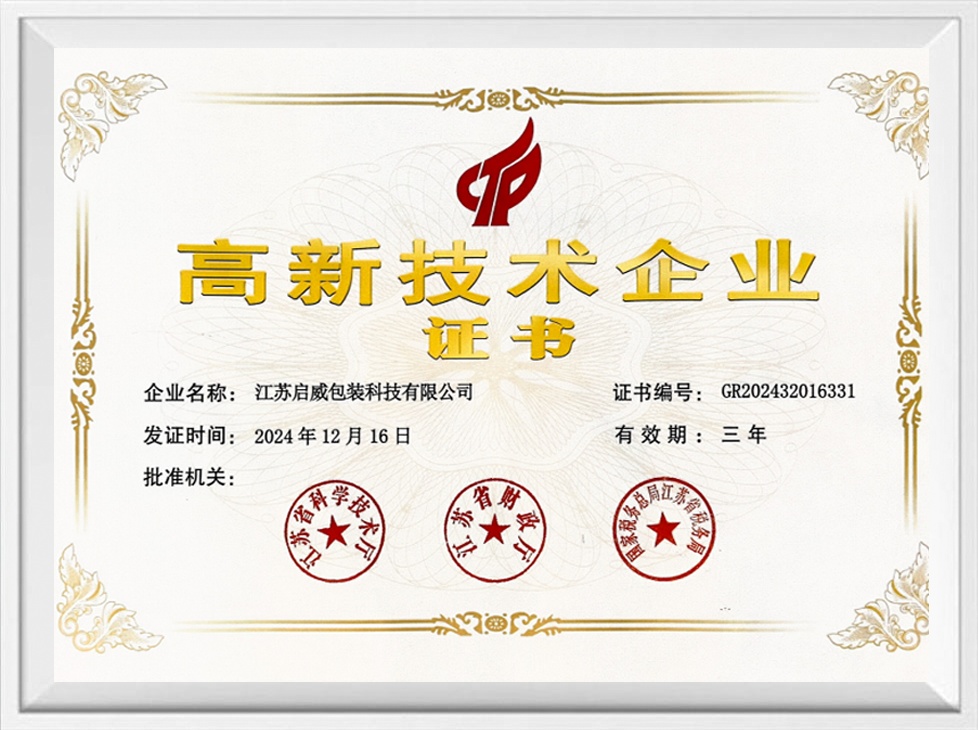
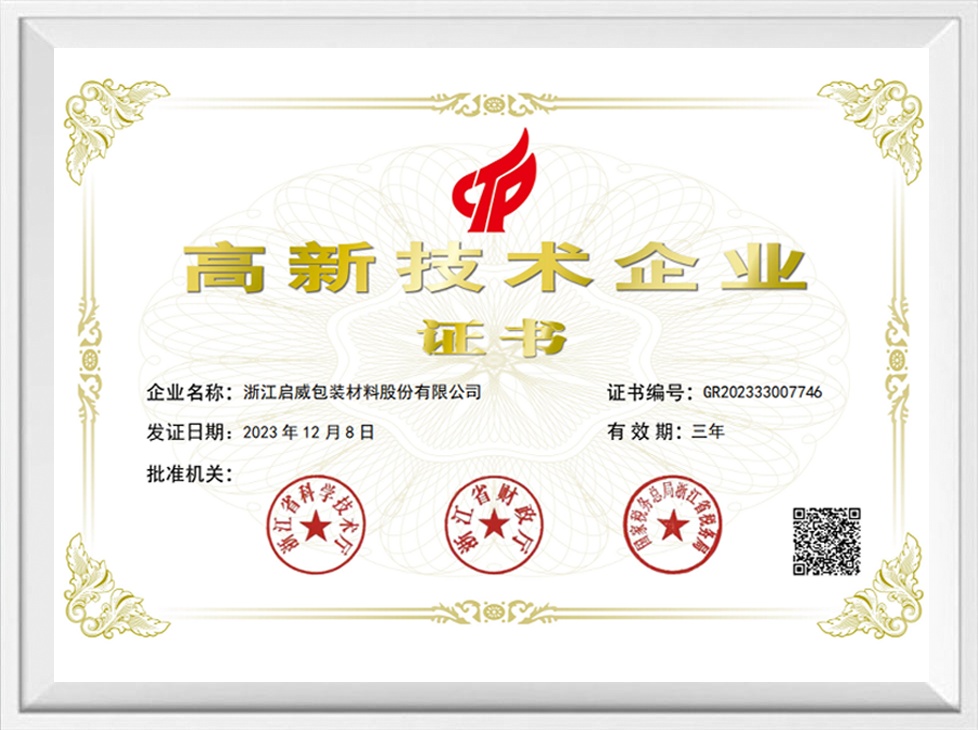
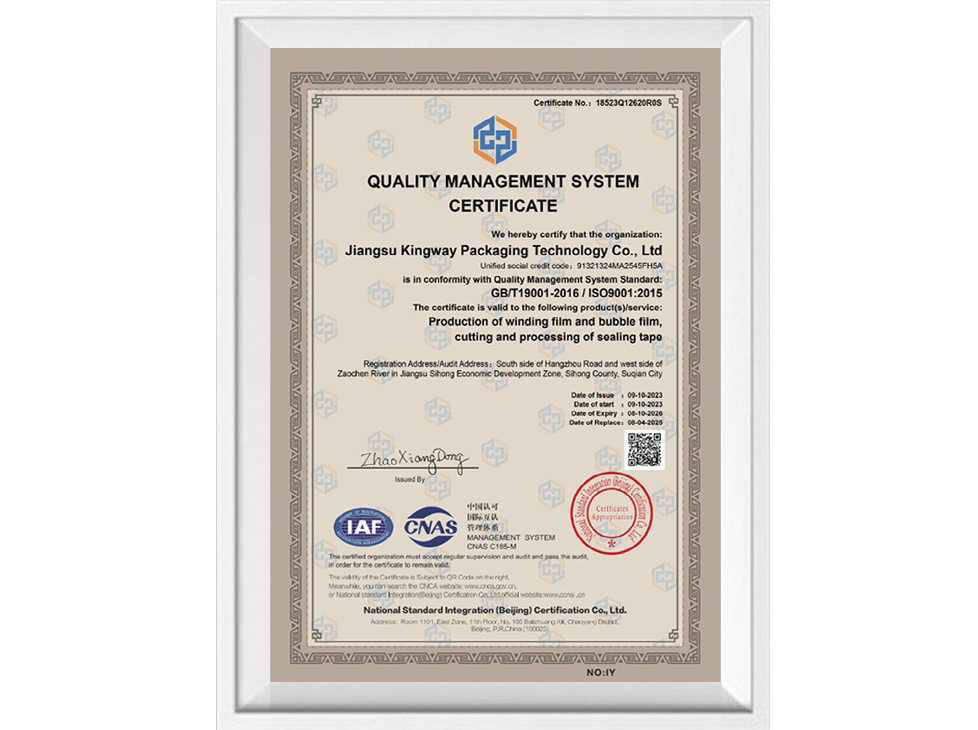
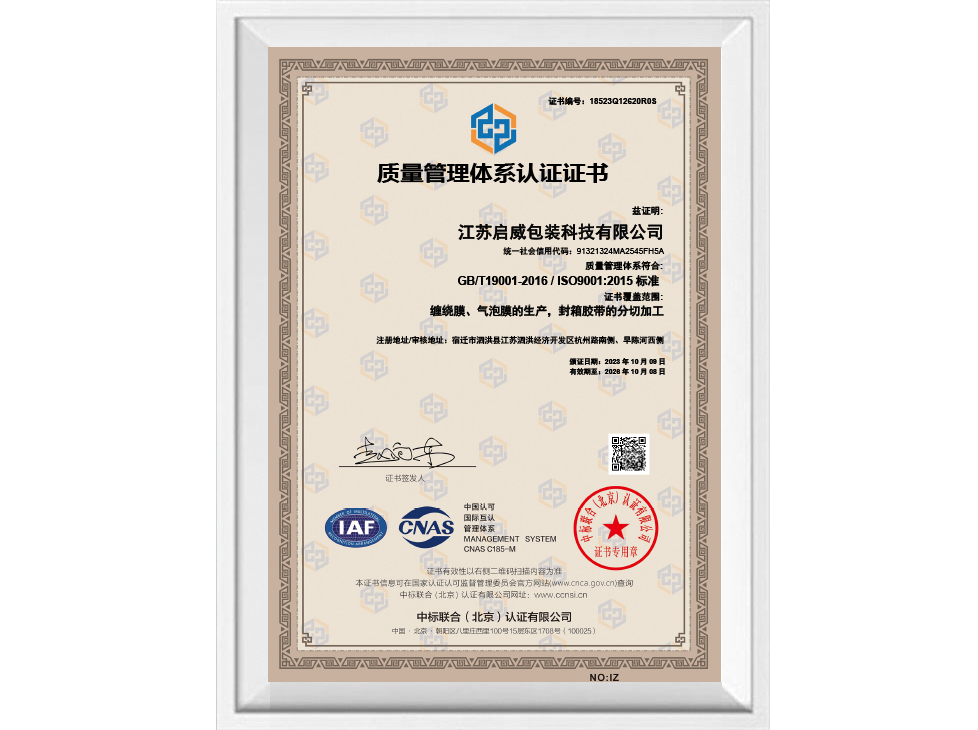
As a modern packaging group integrating R&D, production, and sales, Kingway Packaging operates two intelligent manufacturing bases—Zhejiang Kingway Packaging Products Co., Ltd. and Jiangsu Kingway Packaging Technology Co., Ltd. . Equipped with six state-of-the-art PE stretch film production lines and over 50 automatic and semi-automatic tape slitting machines, the company ensures consistent precision and reliability. These technological assets, combined with ISO9001 Quality Management System certification, establish a robust foundation for advanced packaging and wrapping solutions.
Integrative Packaging and Wrapping Solutions
The evolution of packaging and wrapping solutions lies in system integration. Modern enterprises demand not only high-quality packing material but also intelligent coordination between materials, machinery, and warehousing systems. The goal is to build a cohesive supply chain loop where packaging performance, storage efficiency, and transportation security operate in harmony.
Kingway Packaging advances this concept through Innovative Packaging Solutions—customized protective systems and smart warehousing consumables that align with client-specific operational models. These solutions combine material innovation with engineering design, delivering measurable benefits such as:
- Cost Optimization: Reduction of packaging costs by 15–30% through precise material utilization and efficiency modeling.
- Process Enhancement: Improved wrapping efficiency and lower downtime with automated application compatibility.
- Sustainability Alignment: Use of recyclable or downgauged materials that meet modern environmental standards.
Such integrated approaches signify a transformation from product-level supply to system-level partnership, reinforcing packaging as an essential contributor to operational excellence.
The Role of Adhesive Tape in Packaging Efficiency
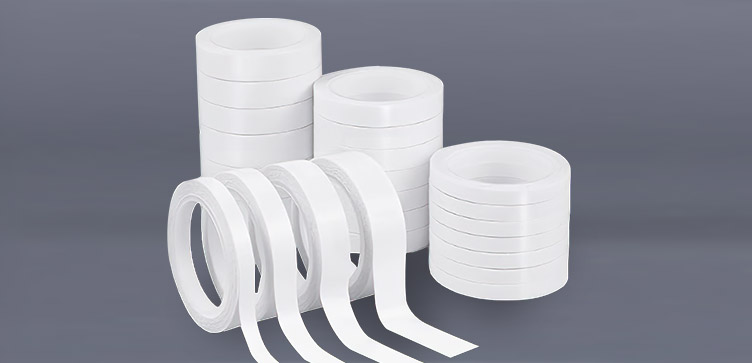
Among various packing materials, adhesive tapes represent one of the most functionally versatile categories. The BOPP packing tape, stationery tape, masking tape, cloth tape, and double-sided tape series produced by Kingway Packaging illustrate the adaptability required in modern applications—from industrial sealing to aesthetic product labeling.
Advanced adhesive technology ensures high initial tack and stable long-term bonding across diverse substrates. In addition, Jiangsu Kingway Packaging Technology Co., Ltd.’s foam tape and specialty adhesive products are engineered for enhanced cushioning and insulation, addressing specialized packaging challenges in electronics, construction, and precision manufacturing sectors.
The refinement of adhesive systems aligns with broader packaging efficiency targets: secure containment, minimal leakage, and consistent application performance across temperature and humidity variations.
The Industrial Value Chain of Packing Material
The packing material industry functions as a critical intermediary across manufacturing, logistics, and retail networks. Its value lies in optimizing product protection while streamlining material use and transportation cost. The chain involves three synergistic dimensions:
- Material Science Innovation: Continuous advancement in polymer chemistry and substrate engineering to achieve strength-to-weight balance.
- Manufacturing Intelligence: Integration of automation, digital monitoring, and quality analytics to ensure consistency and precision.
- Customer-Centric Customization: Developing tailored packaging and wrapping solutions that align with the client’s operational scale and environmental objectives.
Jiangsu Kingway Packaging Technology Co., Ltd.’s dual-factory synergy exemplifies this value chain integration. Through flexible supply, comprehensive after-sales support, and 24-hour online service, the company enables agile response to fluctuating market demands and client requirements.
Sustainability and Future Direction
Sustainability remains the decisive frontier in the global packing material industry. Environmental regulations and consumer expectations are driving a shift toward materials that minimize ecological footprint while maintaining industrial practicality. Biodegradable films, recyclable adhesives, and downgauged stretch films represent the next generation of eco-efficient packaging technologies.
Future wrapping materials will integrate smart tracking elements—such as RFID or printed electronics—to improve traceability and reduce losses in logistics. Concurrently, data-driven packaging design, supported by simulation and AI-based optimization, will enable real-time adjustments in material usage and performance prediction.

 English
  Español
  Français