How Does Clear Adhesive Tape Perform on Different Surfaces Like Paper, Plastic, or Glass?
The humble roll of clear adhesive tape is a staple in homes, offices, and industries worldwide. Its perceived simplicity, however, belies a complex interaction between its construction and the surface it is applied to. Success in a task as simple as sealing a cardboard box or as delicate as mending a torn document hinges on understanding this relationship.
The Fundamental Science of Adhesion
To understand performance, one must first understand the mechanisms by which clear adhesive tape bonds to a surface. Adhesion is not merely a sticky substance acting like glue; it is a multifaceted process involving several key factors. The primary mechanism for most pressure-sensitive tapes, including clear adhesive tape, is mechanical interlocking. The adhesive flows into the microscopic pores, cracks, and irregularities on a surface, creating a physical anchor once it sets. This is why surface texture plays a critical role.
A second crucial mechanism is chemical bonding. This involves molecular-level interactions, such as van der Waals forces, where the adhesive molecules develop a weak attraction to the molecules of the substrate. For a bond to be effective, the adhesive must also “wet” the surface thoroughly, meaning it must spread out and make intimate contact. The surface energy of the substrate is the determining factor here; high-energy surfaces allow for better wetting, while low-energy surfaces resist it. Furthermore, the cohesion of the adhesive itself—its internal strength—must be balanced with its adhesion. If cohesion is too low, the adhesive may split, leaving residue upon removal.
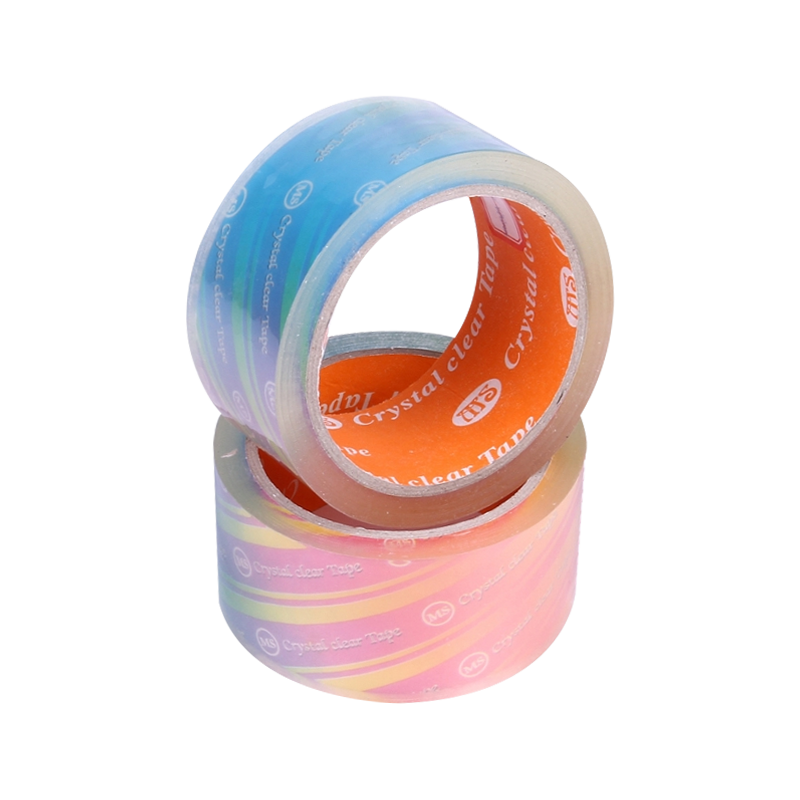
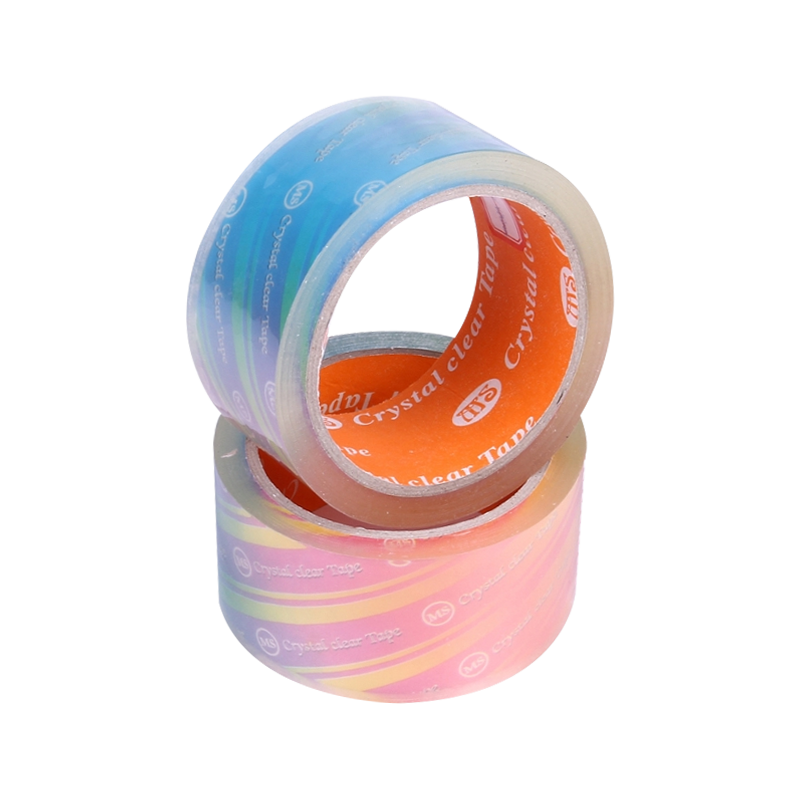
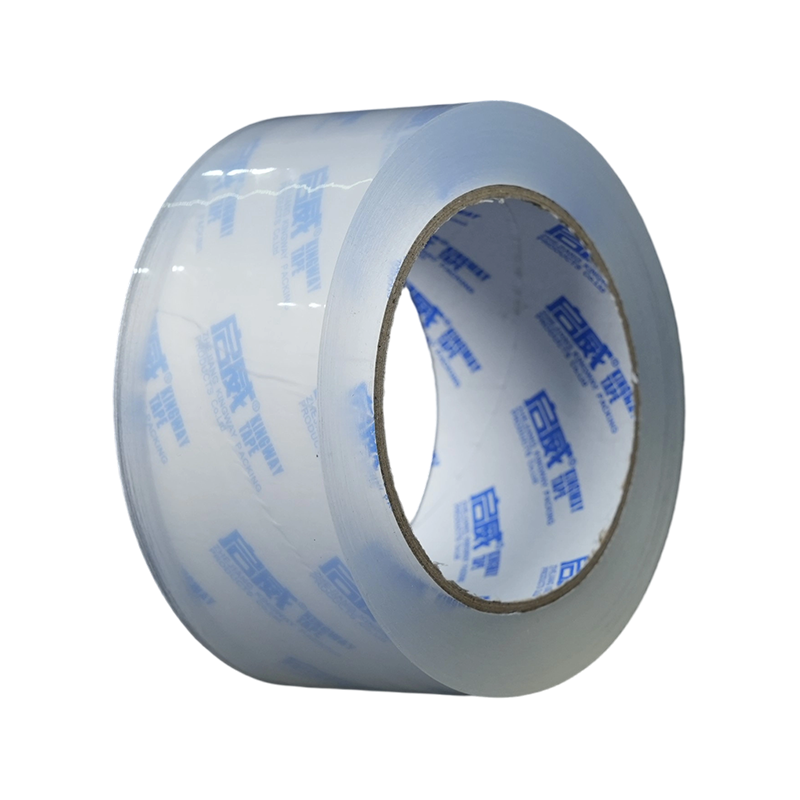
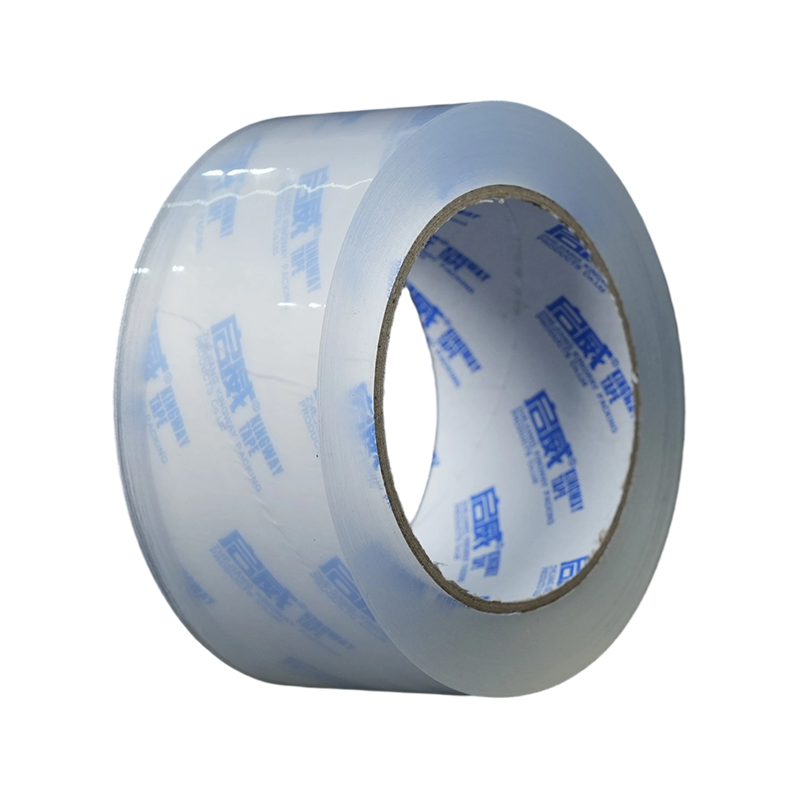
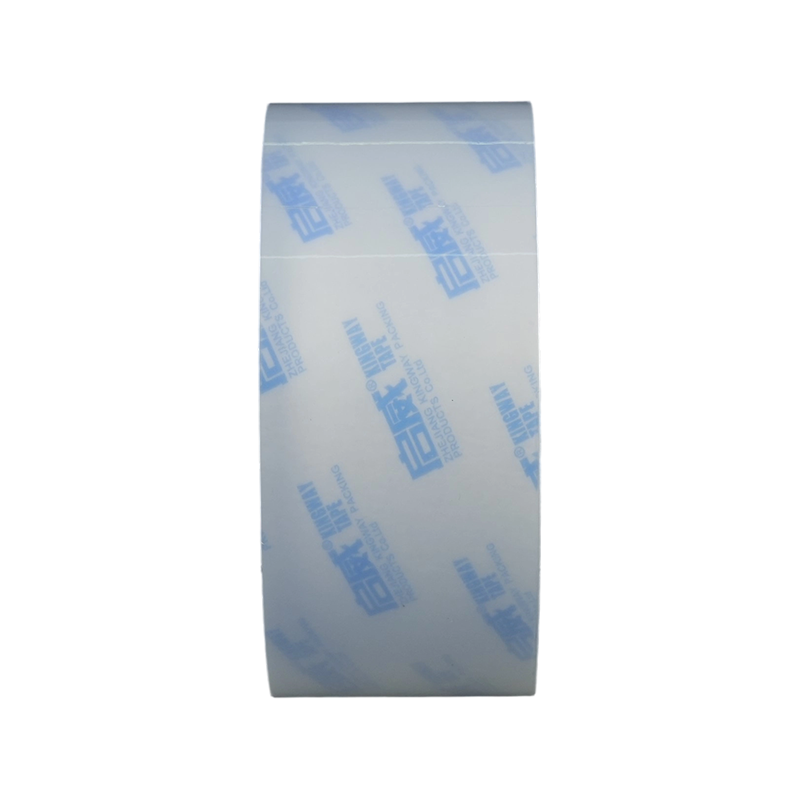
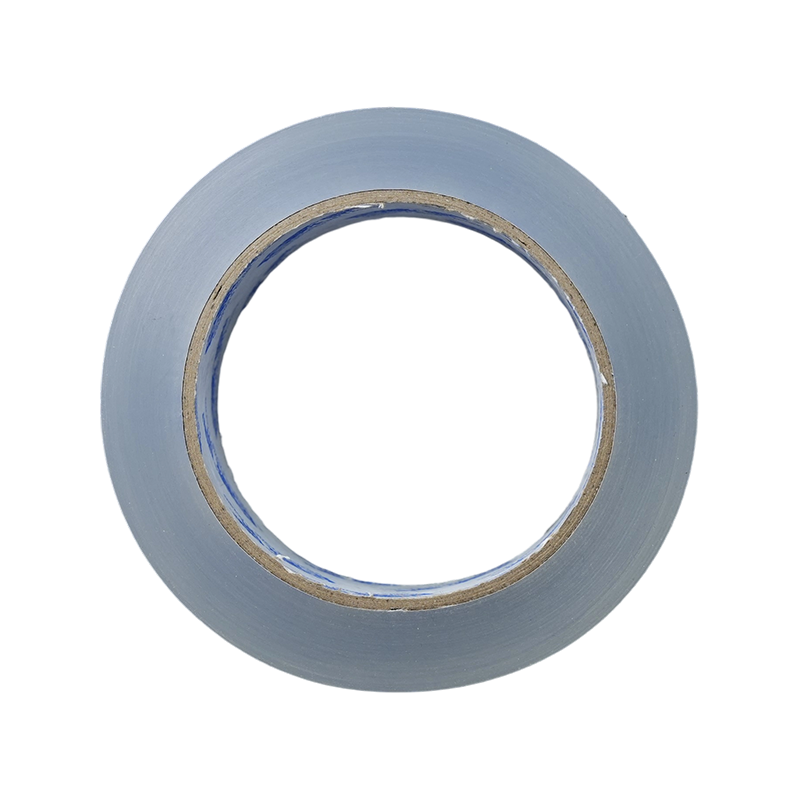
The performance of any clear adhesive tape is a direct result of its construction. Crystal tape usually refers to a high-transparency tape made of biaxially oriented polypropylene (BOPP) film as the base material and coated with acrylic or water-based acrylic adhesive. It is named because of its crystal-clear appearance. Super transparent tape is a sub-type of crystal tape, emphasizing extreme transparency and high viscosity, and is widely used in sealing, packaging and precision scenes. The base material is mostly BOPP or polypropylene (PP), and the adhesive is mainly acrylic. Some high-end models use UV curing technology to enhance performance. This foundational composition is what interacts with the diverse surfaces we encounter daily.
Performance on Paper and Cardboard Surfaces
Paper is perhaps the most common application for clear adhesive tape, particularly in the form of stationery tape. The performance here is generally excellent, which is why it has become the default choice for office and craft use.
Paper surfaces are fibrous and porous, providing an ideal landscape for mechanical interlocking. When pressure is applied, the acrylic adhesive flows into the microscopic gaps between the paper fibers, creating a strong, physical bond. This makes standard clear adhesive tape highly effective for tasks like sealing envelopes, mending tears, or holding paper pieces together. The bond is often strong enough that attempting to remove the tape will tear the paper surface, a clear indicator that the adhesion is stronger than the paper’s own cohesion.
However, not all paper is the same. Glossy or coated papers, such as those used in magazines or photographic prints, present a different challenge. The coating fills the paper’s natural pores, creating a much smoother, lower-energy surface. On these substrates, mechanical interlocking is reduced, and the tape may not adhere as strongly. It can also be more prone to peeling away over time. For valuable items like photos, it is critical to use a clear adhesive tape that is specifically marked as acid-free to prevent chemical degradation and yellowing stains over the long term.
Performance on Plastic Surfaces
The category of “plastic” encompasses a vast range of materials with vastly different surface properties, making adhesion notoriously unpredictable. The key variable is the surface energy of the plastic. Plastics like Polyethylene (PE) and Polypropylene (PP), commonly used in food containers and bottles, have very low surface energy. This makes them non-stick by nature, resisting the wetting process necessary for a good bond.
When standard clear adhesive tape is applied to low-energy plastics like these, the bond is typically very weak. The tape can be peeled off easily, often without leaving any residue, because the adhesive cannot achieve sufficient molecular contact. This is a significant consideration in packaging, where clear packaging tape may be used to seal polyethylene-based plastic bags or wraps with limited success. For these applications, specialized tapes with more aggressive adhesives are often required.
Conversely, plastics with higher surface energy, such as Polyvinyl Chloride (PVC), Acrylic (PMMA), or Polycarbonate (PC), provide a much better bonding surface. On these materials, a standard clear adhesive tape can form a strong, reliable bond. This property is exploited in product assembly, temporary mounting, and protective masking. A critical factor for long-term applications on plastic is adhesive migration. Some plasticizers within certain plastics can migrate into the adhesive, causing it to soften, ooze, or degrade, while the adhesive components can sometimes cloud or damage the plastic surface. Testing on a small, inconspicuous area is always recommended.
The following table summarizes the adhesion challenges and recommendations for different plastic types:
| Plastic Type |
Common Uses |
Surface Energy |
Adhesion with Standard Clear Tape |
Recommendation |
| Polyethylene (PE) |
Bottles, Bags, Containers |
Very Low |
Very Poor |
Use specialized high-tack or PE-targeted tapes. |
| Polypropylene (PP) |
Food Containers, Automotive Parts |
Very Low |
Very Poor |
Use specialized high-tack or PP-targeted tapes. |
| PVC |
Pipes, Blister Packaging, Signage |
Medium-High |
Good to Excellent |
Standard clear adhesive tape is often sufficient. |
| Acrylic (PMMA) |
Displays, Windows, Aquariums |
Medium-High |
Good |
Standard or super transparent tape can be effective. |
Performance on Glass Surfaces
Glass presents a unique and challenging surface for clear adhesive tape. It is perfectly smooth, non-porous, and has a very high surface energy, which theoretically should promote excellent wetting and strong adhesion. In practice, this is often the case; a quality clear adhesive tape can adhere very firmly to a clean glass surface.
The initial bond strength can be high, making certain types of crystal adhesive tape suitable for temporary mounting of posters on windows or securing lightweight items. However, the very smoothness of glass that allows for good initial contact also means there is no mechanical interlocking. The bond is entirely dependent on the molecular forces between the adhesive and the glass. This makes the bond vulnerable to environmental factors like temperature changes and humidity, which can cause the adhesive to creep or lose its grip over time.
The most significant challenge with glass is the long-term outcome and the removal process. When clear adhesive tape is left on glass for extended periods, especially under direct sunlight, the adhesive can undergo a process called curing or cross-linking, making it harder and more brittle. Simultaneously, exposure to UV light can cause the adhesive to yellow, which is visually unappealing. Upon removal, the adhesive may have degraded to a point where it does not come off cleanly, leaving a stubborn, cloudy residue that is difficult to remove without solvents. For applications requiring both high clarity and strong, durable adhesion to glass, a super transparent tape engineered with UV-resistant acrylics is the superior choice.
Selecting the Right Tape for the Application
Given the varied performance across different materials, selecting the appropriate clear adhesive tape is crucial for a successful outcome. The choice extends beyond mere clarity and stickiness.
For general office and paper-based tasks, a standard stationery tape with a balanced adhesive is perfectly adequate. Its adhesion is strong enough for paper but not so aggressive that it cannot be removed from surfaces like desks without residue. For packaging and shipping, a heavier-duty clear packaging tape, often with a thicker adhesive layer, is designed to withstand the stresses of transit and adhere well to corrugated cardboard.
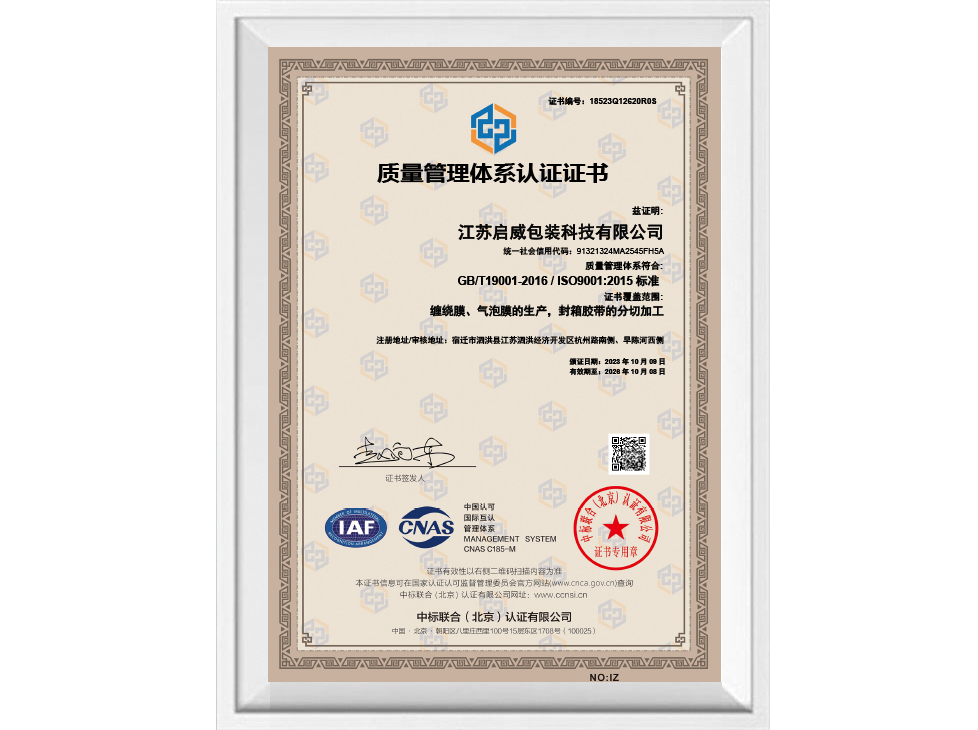
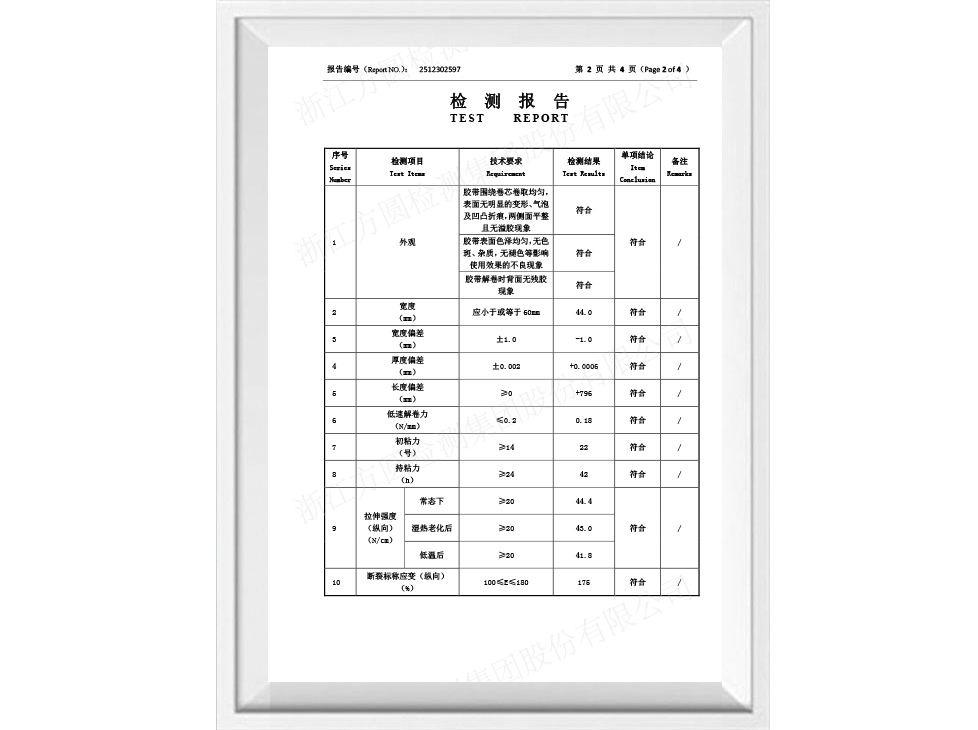
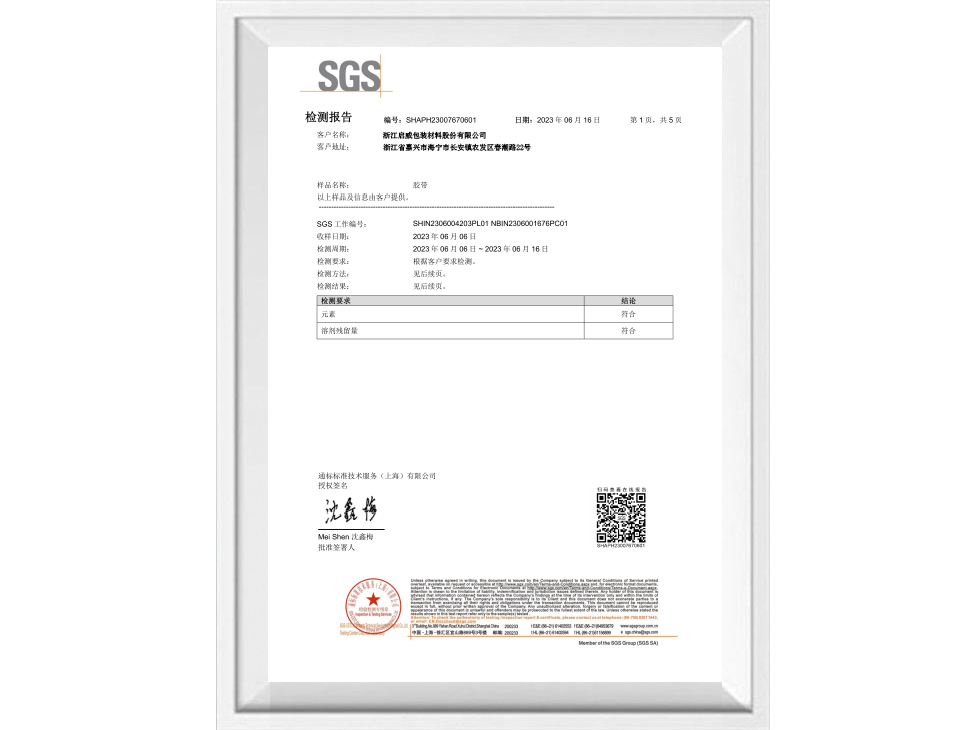
In industrial or specialized settings, the specifications become more critical. The consistent quality of the tape is paramount. Manufacturers who enforce meticulous raw material supplier screening and auditing processes, coupled with incoming material testing and benchmarking procedures, ensure batch-to-batch consistency. Through advanced manufacturing process design and precision process control, production can be streamlined to guarantee that every roll of tape performs exactly as expected. This level of quality control is essential for businesses that rely on clear adhesive tape for sealing, bundling, or light assembly on production lines, where failure can lead to operational delays.
For applications demanding the highest performance, such as mounting graphics on glass storefronts or sealing high-value consumer products, a premium super transparent tape or crystal adhesive tape is the definitive solution. These tapes are distinguished by their exceptional optical clarity and high-performance adhesive systems, often utilizing advanced acrylics. Some high-end models use UV curing technology to enhance performance, resulting in an adhesive that is more resistant to yellowing, plasticizer migration, and environmental degradation, providing a cleaner, more reliable, and longer-lasting bond on challenging surfaces.
Conclusion
The performance of clear adhesive tape is a dynamic interplay between its sophisticated construction and the distinct characteristics of the surface it contacts. On porous, high-energy surfaces like paper, it forms a tenacious bond primarily through mechanical interlocking. On plastics, its success is highly variable, excelling on high-energy plastics like PVC but failing on low-energy ones like polyethylene without specialized formulation. On glass, it can achieve a strong initial bond, but long-term performance is challenged by environmental exposure and the potential for residue.
Understanding these fundamental interactions empowers users to move beyond a one-tape-fits-all approach. By considering the surface energy, porosity, and intended application duration, one can select the correct type of clear adhesive tape—be it a general-purpose stationery tape, a robust clear packaging tape, or a high-clarity crystal adhesive tape—to ensure a successful, clean, and durable result every time. The true utility of this ubiquitous tool is unlocked not by its simplicity, but by a nuanced appreciation of its engineered capabilities.

 English
  Español
  Français