What is the Difference Between Silent Packing Tape and Reinforced Packing Tape?
In the world of shipping, moving, and storage, the humble packing tape is an unsung hero, bearing the critical responsibility of securing countless packages. However, not all tapes are created equal. For businesses and individuals seeking the right tape for their specific needs, the choice often narrows down to two distinct types: silent packing tape and reinforced packing tape. While both serve the fundamental purpose of sealing, their composition, performance, and ideal applications differ significantly.
Understanding the Core Technologies
To appreciate the differences between these two tapes, one must first understand the unique materials and manufacturing processes that define them.
The Composition of Silent Packing Tape
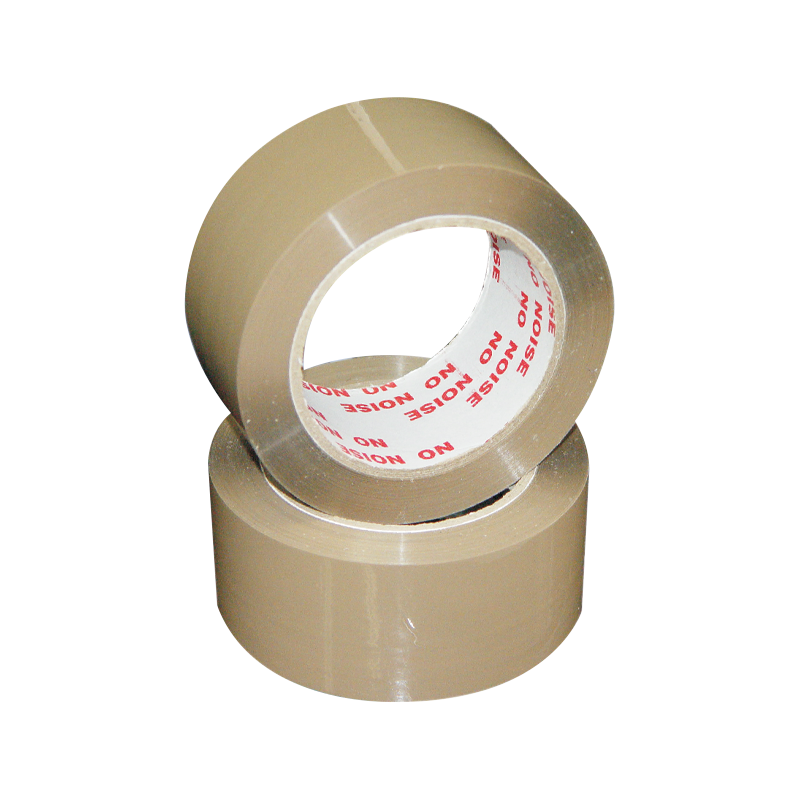
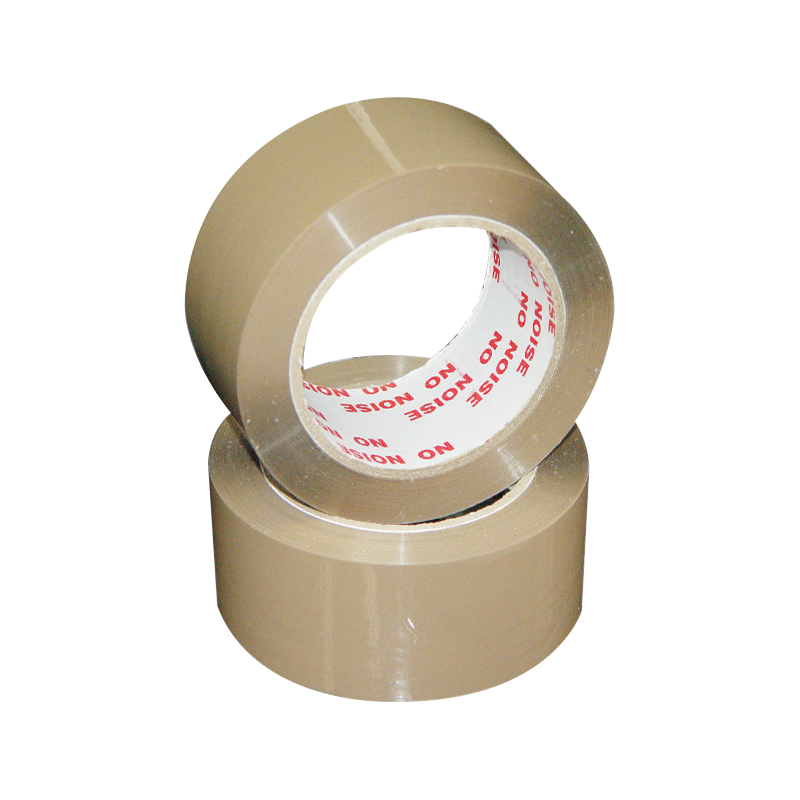
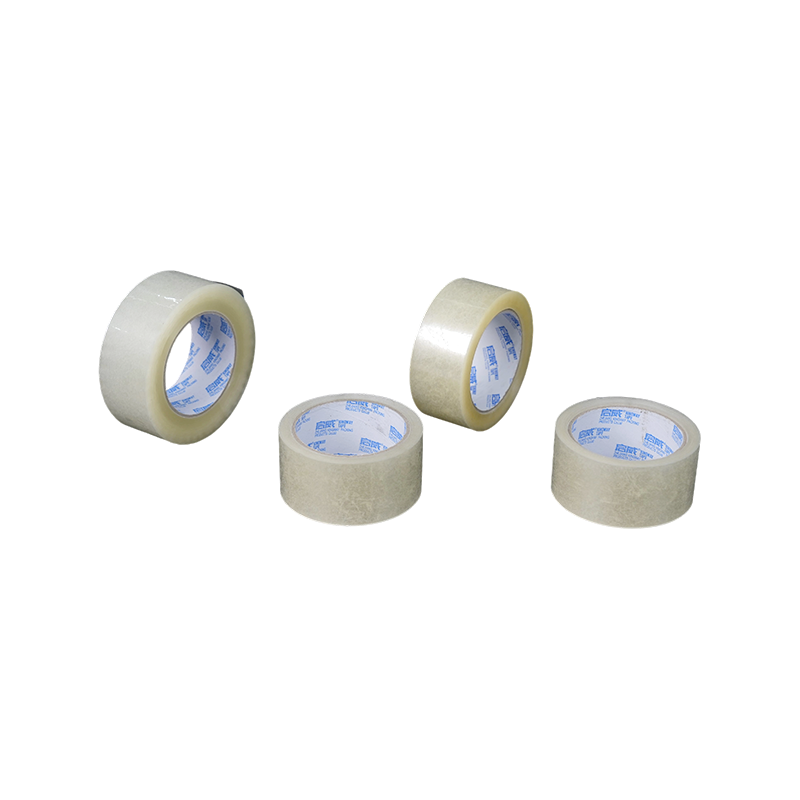
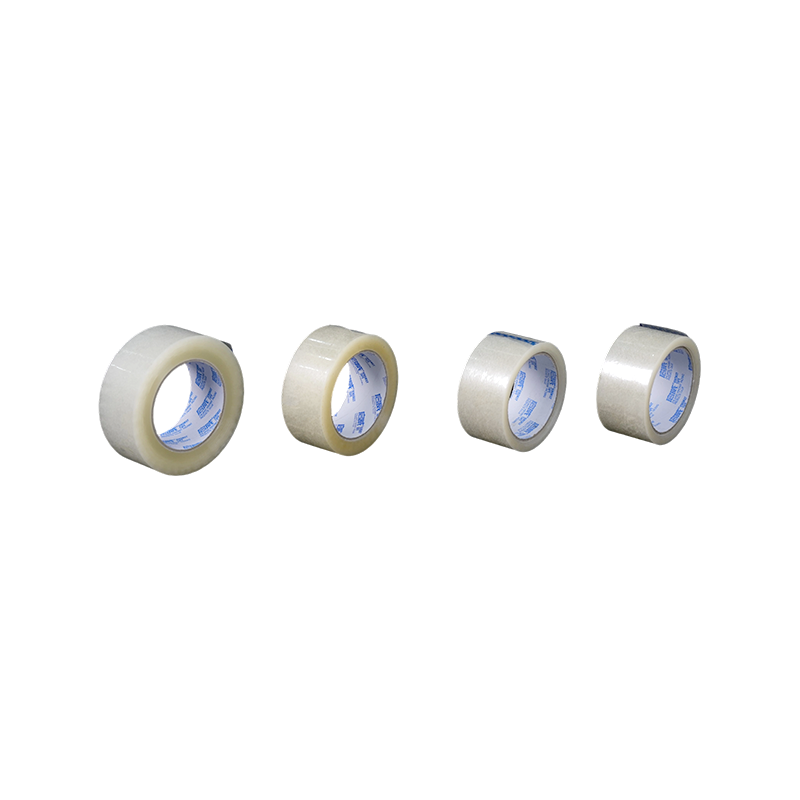
Silent packing tape, also known as quiet packing tape or silent packaging tape, is an innovation focused on user experience. Its primary characteristic is its remarkably low noise emission during application and removal. This is achieved through a specialized pressure-sensitive adhesive (PSA) system and a specifically chosen backing material.
The adhesive used in silent packing tape is typically a natural rubber-based formula, as opposed to the synthetic rubber or acrylic-based adhesives found in many standard tapes. This natural rubber adhesive is inherently softer and more pliable, which reduces the violent release of energy (the “crack” or “rip” sound) when the tape is unspooled or peeled from a surface. The backing is often a softer, more flexible polypropylene film that complements the adhesive’s quiet nature. During the use of silent tape, whether it is torn or pasted, almost no sound can be heard. This low-noise tape reduces the noise of traditional tape to a certain extent, and the sound when torn is relatively small.
The Engineering Behind Reinforced Packing Tape
Reinforced packing tape, in contrast, is engineered for one primary goal: superior strength. It is designed to handle heavy, sharp-edged, or high-stress items that would cause standard tapes to fail. The key to its performance lies in its composite structure.
This tape is manufactured by embedding a grid of reinforcing fibers, typically made from fiberglass or polyester, within the standard polypropylene or vinyl backing. These fibers create a skeletal structure that distributes stress and resists tearing. Once the tape is applied, it is incredibly difficult to tear by hand from any angle. The adhesive used is also a high-tack, aggressive formula, often synthetic rubber-based, designed to create an unyielding bond with the cardboard.
A Comparative Analysis: Key Performance Indicators
The following table provides a clear, side-by-side comparison of the most critical performance characteristics of silent and reinforced packing tape.
| Performance Indicator |
Silent Packing Tape |
Reinforced Packing Tape |
| Primary Function |
Noise reduction, user comfort |
Maximum security, heavy-duty sealing |
| Tensile Strength |
Moderate (sufficient for standard boxes) |
Very High (resists splitting and bursting) |
| Tear Resistance |
Low (can be torn by hand easily) |
Extremely High (requires a cutter to sever) |
| Adhesion Type |
Natural rubber-based, good initial tack |
Synthetic rubber-based, aggressive, permanent bond |
| Noise Level |
Very Low |
High (pronounced ripping and tearing sounds) |
| Water Resistance |
Good |
Excellent |
| Durability |
Good for standard applications |
Superior for demanding and harsh conditions |
| Cost Consideration |
Moderately priced |
Higher cost due to complex manufacturing |
Strength and Durability: A Question of Demand
The most glaring difference lies in their mechanical strength. Reinforced packing tape is the unequivocal choice for securing heavy boxes, palletized goods, or items with sharp protrusions. The embedded fiberglass scrim prevents the tape from splitting under tension or from being punctured. It acts not just as an adhesive but as a structural reinforcement for the box itself.
Conversely, silent packing tape possesses a tensile strength that is more than adequate for the vast majority of everyday packaging tasks, such as e-commerce shipments, office storage, and residential moves. However, it should not be relied upon for boxes exceeding standard weight limits, as it lacks the internal reinforcement to prevent catastrophic failure under extreme stress.
Application Experience: Noise and Ease of Use
The application experience is where silent packing tape establishes its niche. The quiet, smooth tear and application are its defining features. This makes it exceptionally well-suited for environments where noise is a concern, such as offices, libraries, late-night packaging operations in homes, or warehouses situated near residential areas. It reduces auditory fatigue for workers and minimizes disruption.
Reinforced tape, with its tough fiberglass grid, cannot be torn by hand neatly. It requires a tape dispenser with a metal serrated edge or a knife to cut it. The process of unspooling and applying it is accompanied by loud, distinctive ripping and crinkling sounds, which can be disruptive in quiet settings.
Adhesion and Environmental Resistance
Both tapes have certain waterproofness and durability, and can play an important role in daily life. The adhesive on silent packing tape offers a reliable seal that protects against dust, moisture, and incidental contact. It provides a strong hold for cardboard flaps without being excessively aggressive, which can be beneficial if the box needs to be opened for inspection without destroying it.
Reinforced packing tape often features a more tenacious, all-weather adhesive. This adhesive is formulated to maintain its grip in a wider range of temperatures and humidity levels, offering superior performance in non-climate-controlled environments like storage units or during international shipping. Its bond is often so strong that attempting to remove it will likely tear the cardboard surface.
Strategic Selection: Matching the Tape to the Task
Choosing between these two tapes is not a matter of which is “better,” but rather which is “more appropriate” for the specific task at hand.
Ideal Use Cases for Silent Packing Tape
The primary advantage of silent packing tape is its discretion and pleasant user experience. Its ideal applications include:
- Office and Library Environments: Sealing archive boxes, mailers, and supplies without disturbing colleagues or patrons.
- E-commerce Fulfillment: For businesses shipping standard-weight, non-hazardous products where a professional, quiet packing line can improve the working atmosphere.
- Residential Moving: Perfect for families packing up a home, especially during late-night sessions or in apartments with thin walls.
- Retail Packaging: At the point of sale, where the quiet application is more pleasant for both the employee and the customer.
- General Light-to-Medium Duty Sealing: Any application where the contents of the box do not pose a significant risk of bursting or tearing the tape.
Silent tape and low-noise tape are two tape products designed for users who pursue a quiet environment, providing a more comfortable use experience. This core benefit cannot be overstated for sensitive acoustic environments.
Ideal Use Cases for Reinforced Packing Tape
Reinforced packing tape is the go-to solution for high-risk, high-value, or heavy-duty shipments. Its applications are defined by the need for security:
- Shipping Heavy Items: Boxes containing books, machinery parts, tools, or dense materials that exert substantial force on the box seams.
- Securing Palletized Loads: Wrapping and securing boxes to a pallet to prevent shifting during transit.
- Hazardous or Fragile Contents: Items that are sharp, have protruding edges, or are exceptionally fragile and require the box to be fully immobilized.
- Long-Term or Outdoor Storage: Where boxes may be exposed to fluctuating temperatures, moisture, or physical pressure from stacking.
- High-Value Goods: For products where tamper-evidence and maximum security are paramount. The difficulty of breaking the tape without tools is a significant deterrent.
The Manufacturing Perspective: Quality and Consistency
The production of high-quality tape, whether silent or reinforced, requires advanced manufacturing capabilities and a rigorous commitment to quality control. A manufacturer operating multiple intelligent manufacturing bases, for instance, can ensure consistency and performance. Such a company leverages state-of-the-art production lines and automated slitting machines to produce tapes with precise dimensions and reliable adhesive properties.
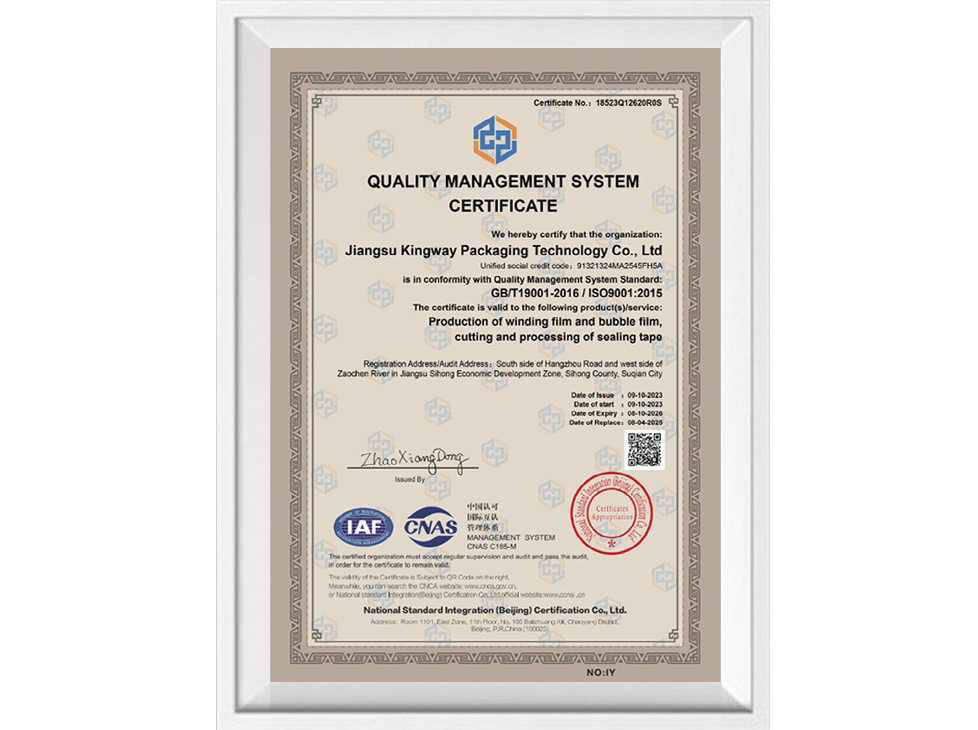
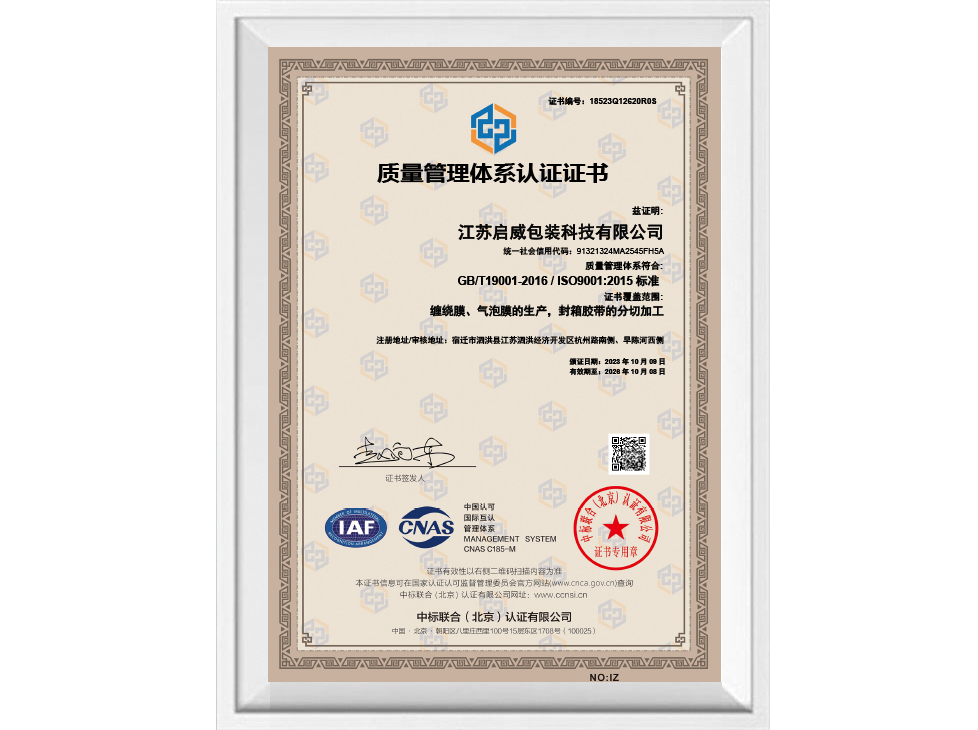
Achieving certifications like ISO9001 Quality Management System is indicative of a manufacturer that enforces meticulous raw material supplier screening and auditing processes. This is critical for both tape types: for silent packing tape, it ensures the consistency of the quiet adhesive, and for reinforced tape, it guarantees the integrity of the fiberglass grid and the strength of the backing. Through advanced manufacturing process design and precision process control, batch-to-batch consistency with full traceability is achieved, forming the foundation of a product that professionals can depend on.
Conclusion: Making an Informed Decision
In summary, the choice between silent packing tape and reinforced packing tape is a strategic decision based on the specific demands of the packaging task.
- Choose silent packing tape when your priorities are a quiet, comfortable user experience, and the sealing requirements are for standard, light-to-medium duty boxes. It is the sophisticated, modern solution for environmentally conscious workplaces and homes.
- Choose reinforced packing tape when the security of the shipment is the absolute top priority. It is the heavy-duty, industrial-grade solution for preventing box failure, securing heavy loads, and ensuring that valuable or hazardous goods arrive intact.
Both products have their distinct and vital roles in the packaging ecosystem. By understanding their fundamental differences in construction, performance, and ideal applications, businesses and individuals can optimize their packaging operations for efficiency, cost-effectiveness, and, most importantly, the safe and secure arrival of their goods. A reliable packaging partner will offer both options, ensuring that for every need—from the quietest office to the most demanding shipping lane—there is a tape engineered to perform.

 English
  Español
  Français