What are the most important factors to consider when selecting Protective Films for my product?
In the intricate world of product manufacturing, packaging, and logistics, the final finish and integrity of a product are paramount. A single scratch, scuff, or chemical stain can diminish value, lead to customer rejection, and incur significant costs. This is where the strategic selection of protective films becomes a critical decision. These specialized specialty packaging materials act as an invisible shield, safeguarding surfaces from the rigors of production, handling, and transit. However, not all protective films are created equal. Choosing the wrong type can result in adhesive transfer, film disintegration, or surface damage that the film was meant to prevent.
Understanding the Core Function of Protective Films
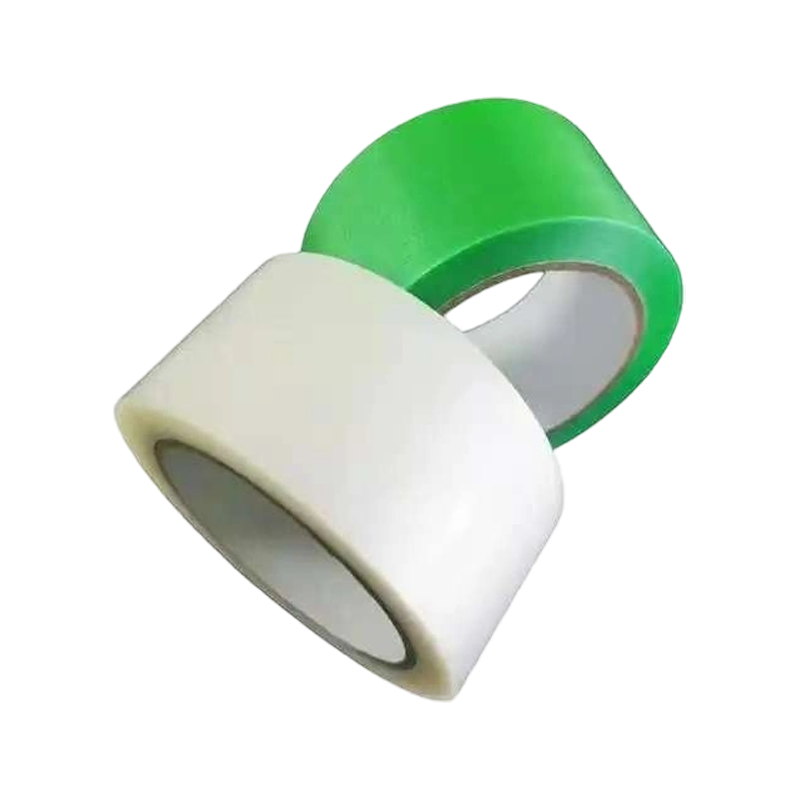
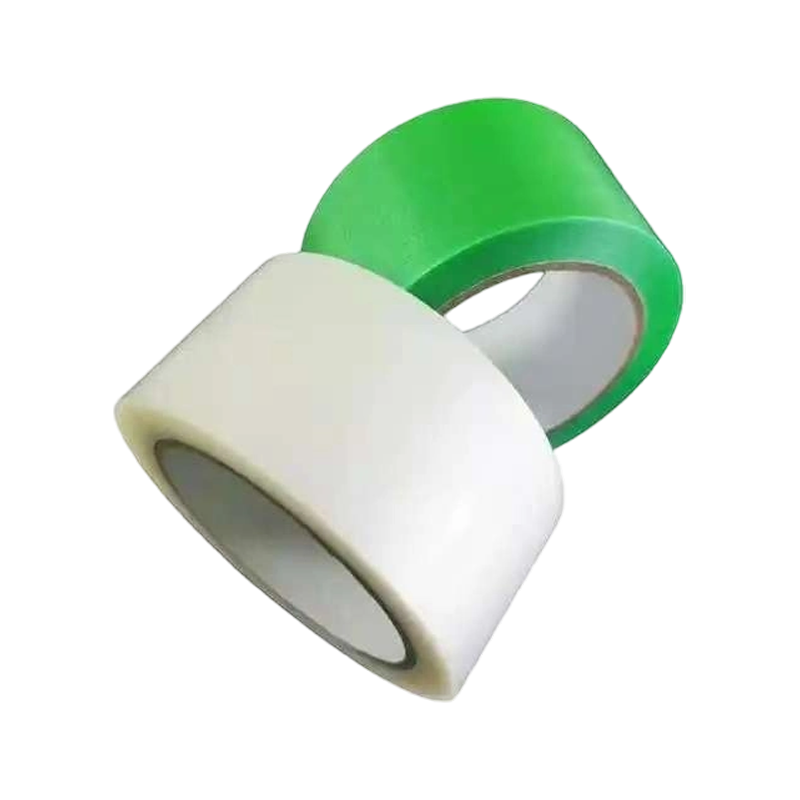
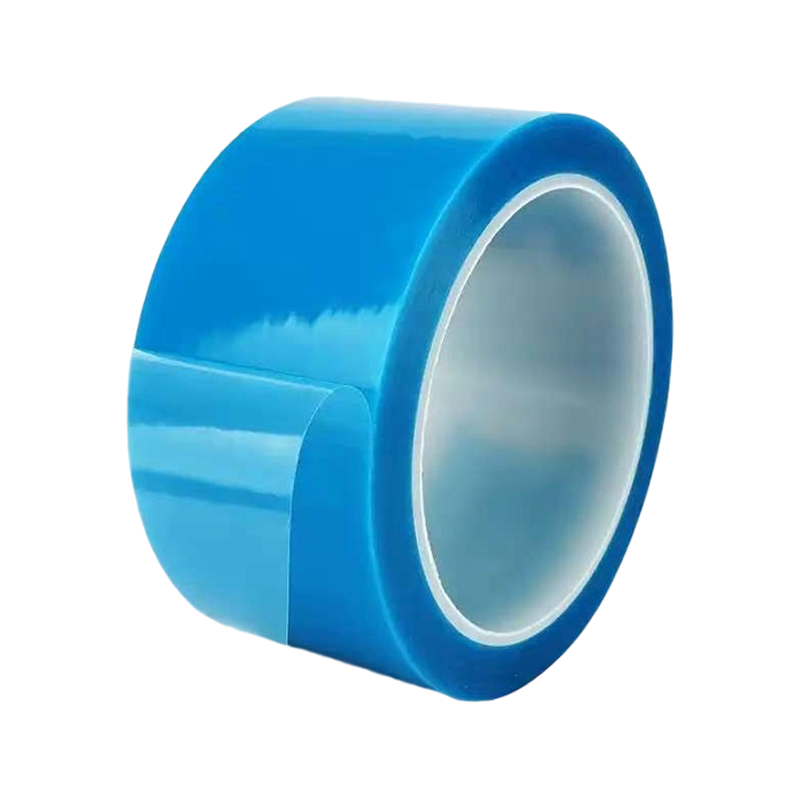
At its essence, a protective film is a laminate material designed to be applied to a surface for a temporary period. Its primary purpose is to absorb impacts, resist abrasion, and block contaminants without affecting the underlying material. The application of protective films is a common practice across numerous industries, from the polished stainless steel of appliance manufacturers to the delicate screens of consumer electronics and the high-gloss paints of the automotive sector. The effectiveness of this protection hinges on a precise match between the film’s properties and the product’s requirements. A systematic approach to selection, grounded in technical specifications and practical application scenarios, is fundamental to achieving optimal results.
A Detailed Analysis of Key Selection Factors
Selecting the appropriate protective film is a multi-faceted process. It requires a careful evaluation of the substrate, the environmental challenges, and the operational lifecycle of the film itself. The following factors form the cornerstone of a sound selection strategy.
The Substrate: Your Starting Point
The nature of the surface you are protecting is the first and most critical consideration. An incorrect choice here can lead to irreversible damage.
Surface Energy and Material Composition
The adhesion of a protective film is profoundly influenced by the surface energy of the substrate. High-surface-energy materials, such as bare metals, glass, and certain plastics like acrylic, provide a good anchor for adhesives. For these, a standard-pressure sensitive adhesive (PSA) often suffices. Conversely, low-surface-energy materials like polypropylene (PP) and polyethylene (PE) present a significant challenge. They require protective films with specially formulated, high-tack adhesives to achieve a secure bond without lifting. Furthermore, the chemical composition of the substrate must be assessed. Certain plastics contain plasticizers or other volatile components that can migrate to the surface, potentially interacting with the film’s adhesive and causing issues.
Surface Finish and Sensitivity
The physical texture and hardness of the substrate are equally important. For highly polished, mirrored, or coated surfaces (e.g., brushed aluminum, piano black finishes), a low-tack, ultra-clean adhesive is non-negotiable to prevent microscopically imprints or adhesive residue upon removal. For more robust or textured surfaces, a stronger adhesive may be acceptable. The fundamental rule is that the adhesive’s tack should be weaker than the substrate’s cohesive strength to ensure clean removal.
Adhesive Performance and Compatibility
The adhesive is the “heart” of the protective film, dictating its bond, longevity, and removability.
Tack, Peel, and Shear Strength
These three properties define an adhesive’s performance. Initial tack refers to how quickly the film adheres to a surface upon light contact. Peel adhesion measures the force required to remove the film, which is crucial for understanding how it will perform during deapplication. Shear strength indicates the adhesive’s resistance to sliding or creeping under load, especially important for vertical applications or in warm environments. A balanced profile of these properties is essential for reliable performance.
Adhesive Chemistry and Residue
The chemical base of the adhesive—commonly acrylic, rubber-based, or silicone—determines its aging characteristics and compatibility. Acrylic adhesives are widely preferred for long-term applications due to their excellent UV resistance, clarity, and stability, which minimizes the risk of leaving a residue upon removal. Rubber-based adhesives may offer higher initial tack but can degrade and leave a sticky residue over time, particularly when exposed to heat or sunlight. Always request compatibility and aging tests from your supplier for critical applications.
Film Material and Physical Properties
The carrier film itself provides the physical barrier against damage. Its material composition defines its strength, flexibility, and environmental resistance.
Common Polymer Types
The most common materials for protective films include:
- Polyethylene (PE): A cost-effective, flexible, and versatile option available in low, medium, and high densities. It is suitable for a wide range of applications but may have limitations in clarity and temperature resistance.
- Polypropylene (PP): Offers higher clarity, better temperature resistance, and improved rigidity compared to PE. It is often used for applications where visual inspection of the substrate is necessary.
- Polyvinyl Chloride (PVC): Provides good conformability and durability but is facing reduced usage due to environmental concerns regarding chlorine content and recyclability.
- Polyethylene Terephthalate (PET): A premium material known for its exceptional tensile strength, puncture resistance, high-temperature tolerance, and excellent clarity. It is the go-to choice for protecting glass, sensitive optical components, and other high-value surfaces.
The selection of the film material directly impacts the level of protection against scratches, punctures, and abrasion.
Environmental and Application Conditions
The environments your product will encounter during its lifecycle dictate the required performance specifications of the protective films.
Temperature Exposure
Protective films have defined operational temperature ranges. During shipping and storage, products can be exposed to significant heat. A film with a low melting point or poor heat resistance can soften, lose its adhesive integrity, or even fuse to the substrate. Conversely, in cold climates, some films can become brittle and crack upon application or removal. It is critical to select a film rated for both the application temperature and the expected storage/transit temperature extremes.
UV Radiation and Outdoor Weathering
For products stored outdoors or in sunlight, UV stability is a vital concern. Non-UV-stable protective films can undergo photodegradation, causing them to yellow, become brittle, and lose their adhesive properties, making them extremely difficult to remove. For such demanding scenarios, protective films with UV inhibitors are essential to maintain performance and ensure clean removability throughout the intended service life.
Exposure to Chemicals and Moisture
In industrial environments, surfaces may be exposed to solvents, oils, or moisture. The selected film must act as a barrier against these contaminants. This requires a film with a dense polymer structure and a chemical-resistant adhesive to prevent staining, etching, or degradation of the protected surface.
Integrating Protective Films into a Broader Packaging System
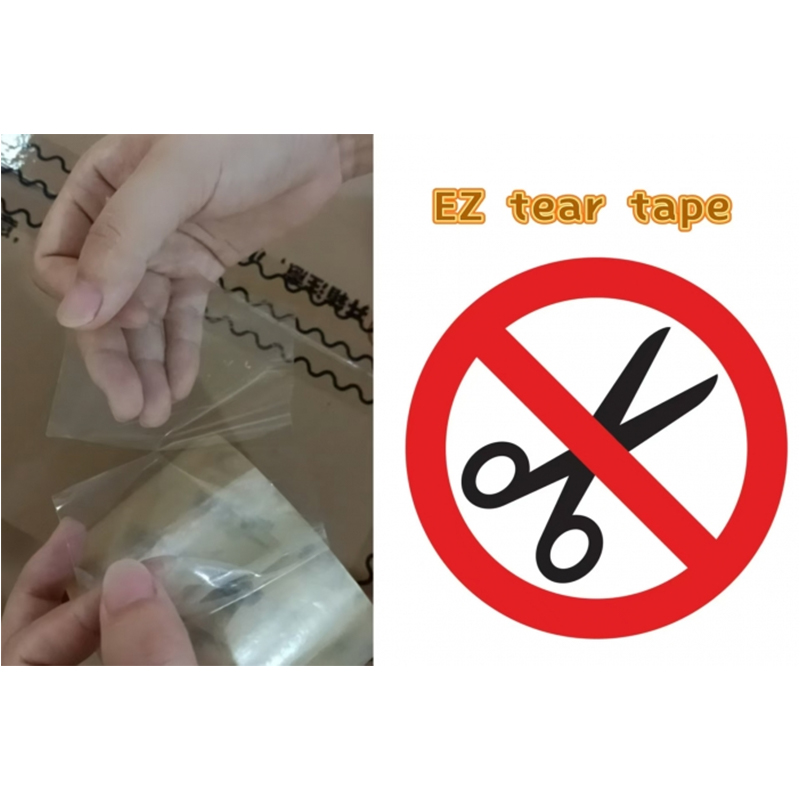
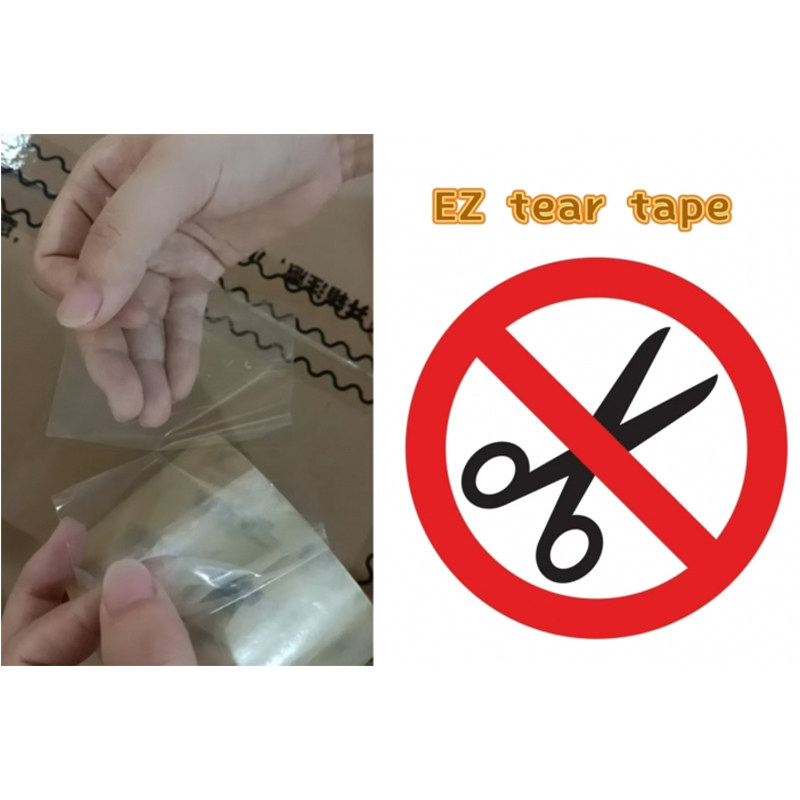
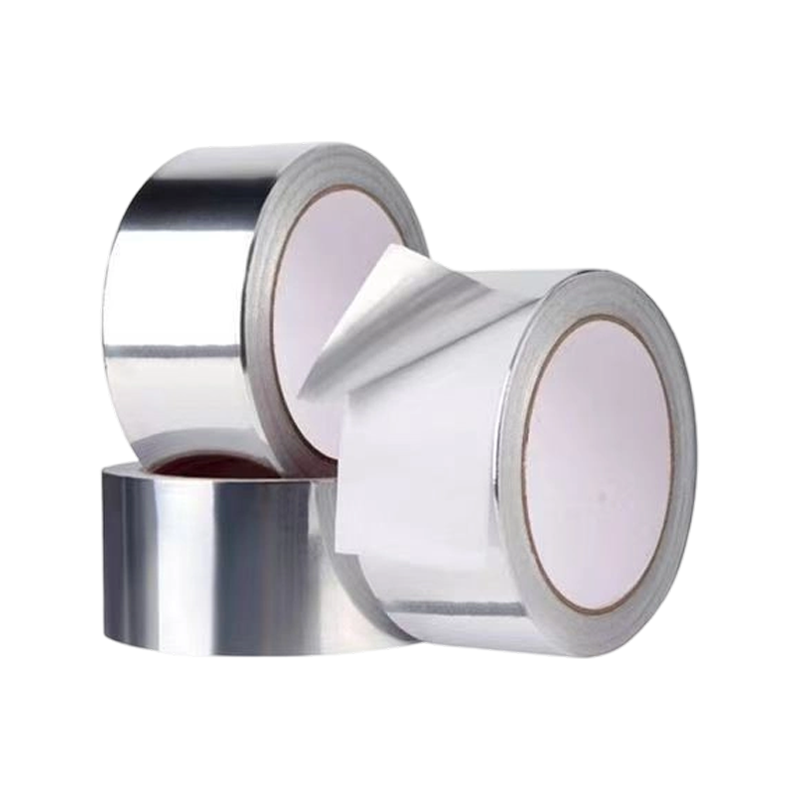
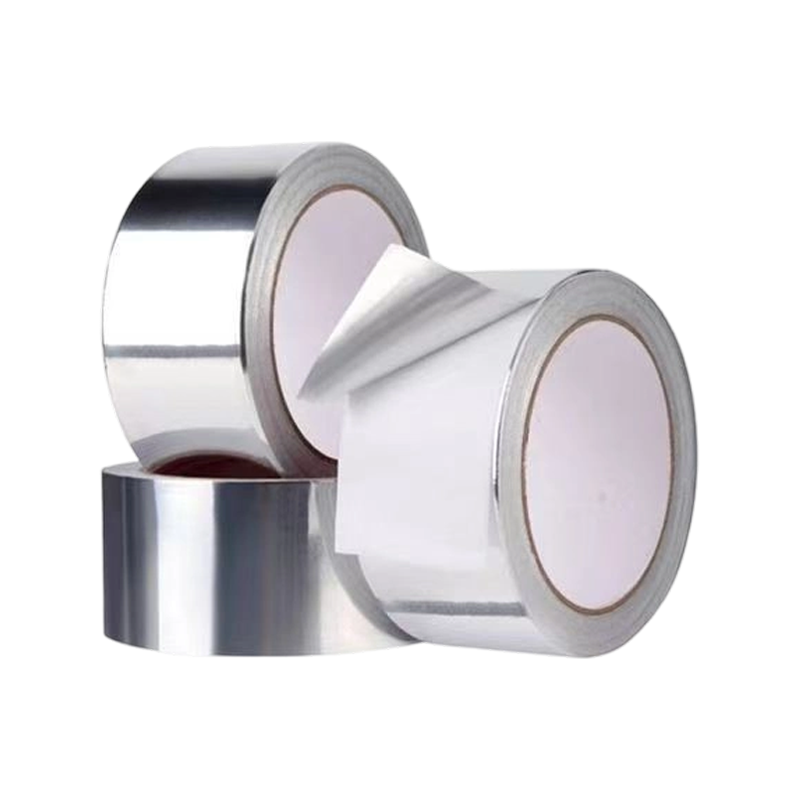
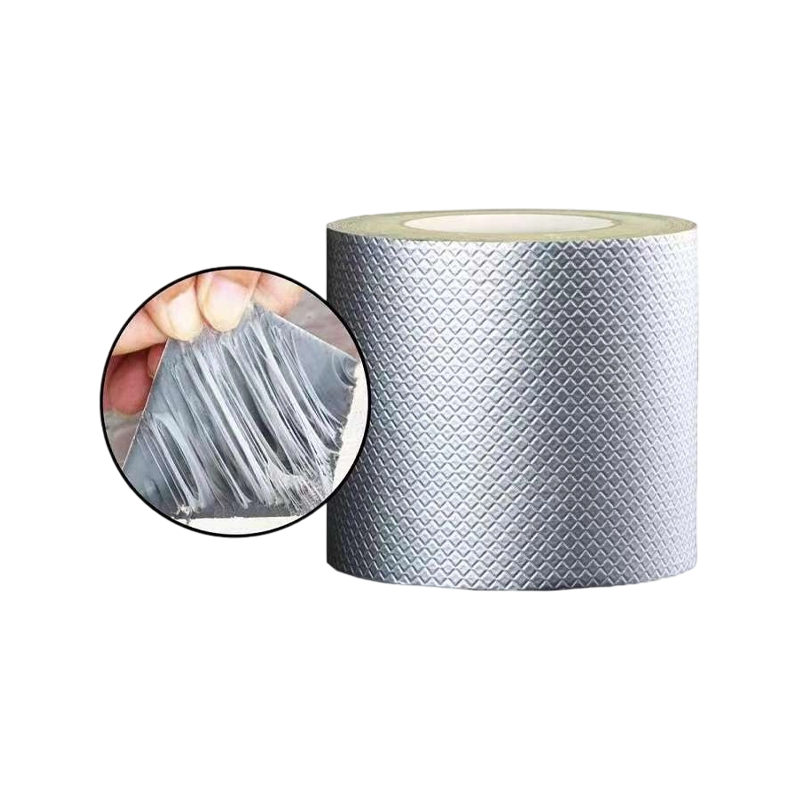
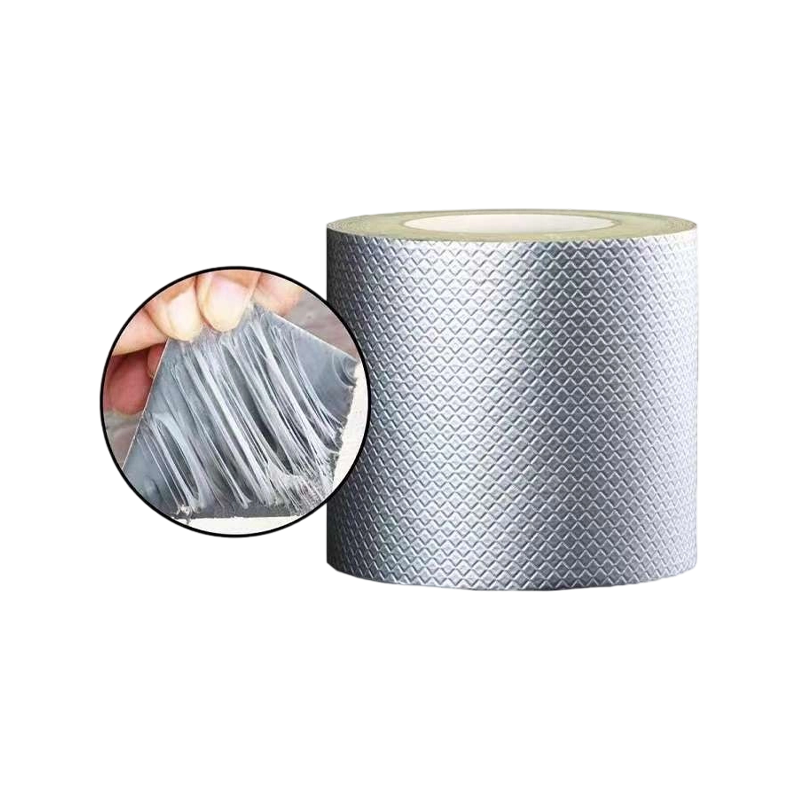
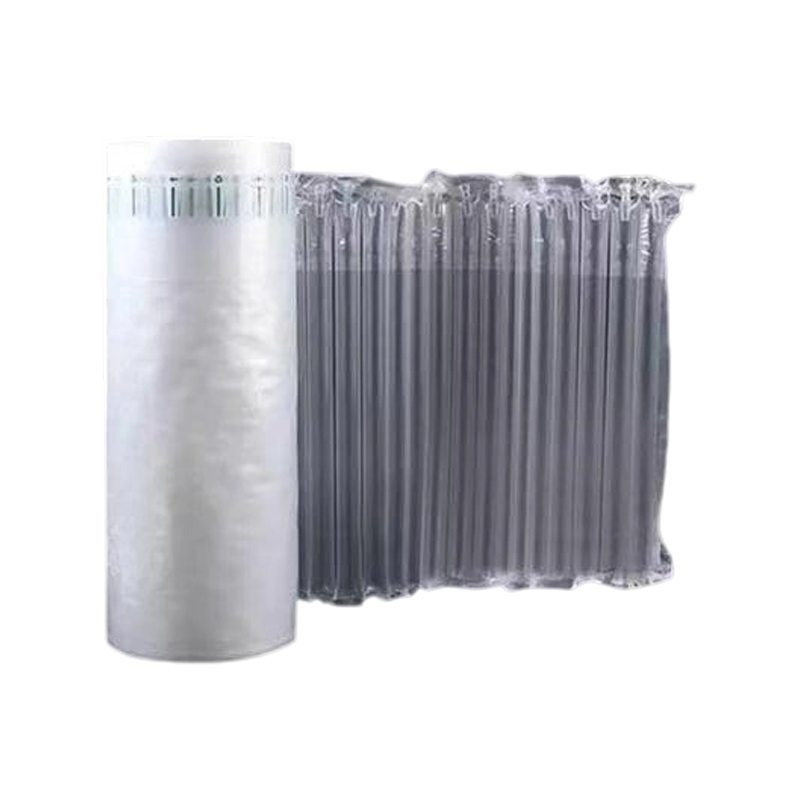
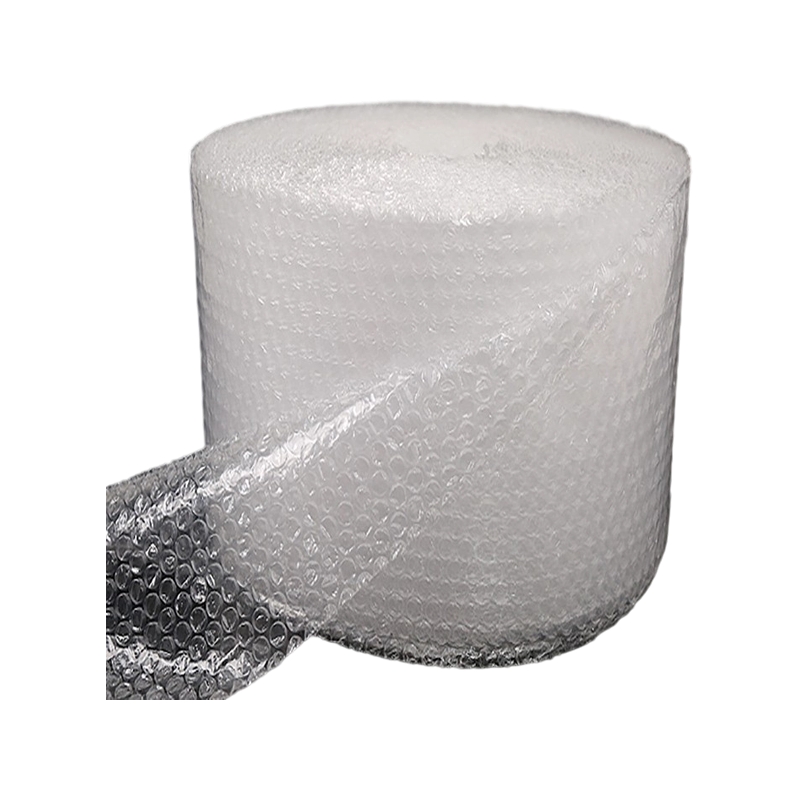
While protective films are a critical component, they do not function in isolation. Their effectiveness is maximized when they are part of a holistic packaging strategy. A comprehensive packaging system often includes other specialty packaging materials that work in concert. For instance, after a sensitive surface is protected with a film, the product may be wrapped in bubble film for cushioning, secured with high-strength packing tape for carton closure, and have seams sealed with aluminum foil tape for vapor barriers in shipping containers. Furthermore, easy-tear tape provides convenient access for end-users. Understanding how protective films complement these other materials—such as stretch film for unitizing pallets or adhesive tapes for sealing—allows businesses to build a robust, efficient, and cost-effective packaging operation that provides all-round support.
Operational Considerations: Application and Removal
The practical aspects of how the film is applied and removed are crucial for efficiency and cost-control.
Application Methods
The choice between manual and automated application will influence the type of film required. Automated high-speed application lines often demand protective films on precise, consistent cores with controlled unwind tension to prevent breaks or jams. These films typically require specific slip characteristics on the backside to function reliably in machinery. Manual application offers more flexibility but still benefits from films that are easy to handle and apply without wrinkling.
Defining the Service Life
A key operational parameter is the intended service life—the duration the film is expected to remain on the product. Films are formulated for short-term (days or weeks), medium-term (months), or long-term (a year or more) protection. Using a short-term film for a long-term application is a common error that guarantees failure, often resulting in adhesive breakdown and residue. Clearly defining this requirement with your supplier is essential.
Supplier Capabilities: A Partner in Protection
The manufacturer of the protective films is as important as the product itself. A reliable supplier acts as a technical partner.
Quality Assurance and Consistency
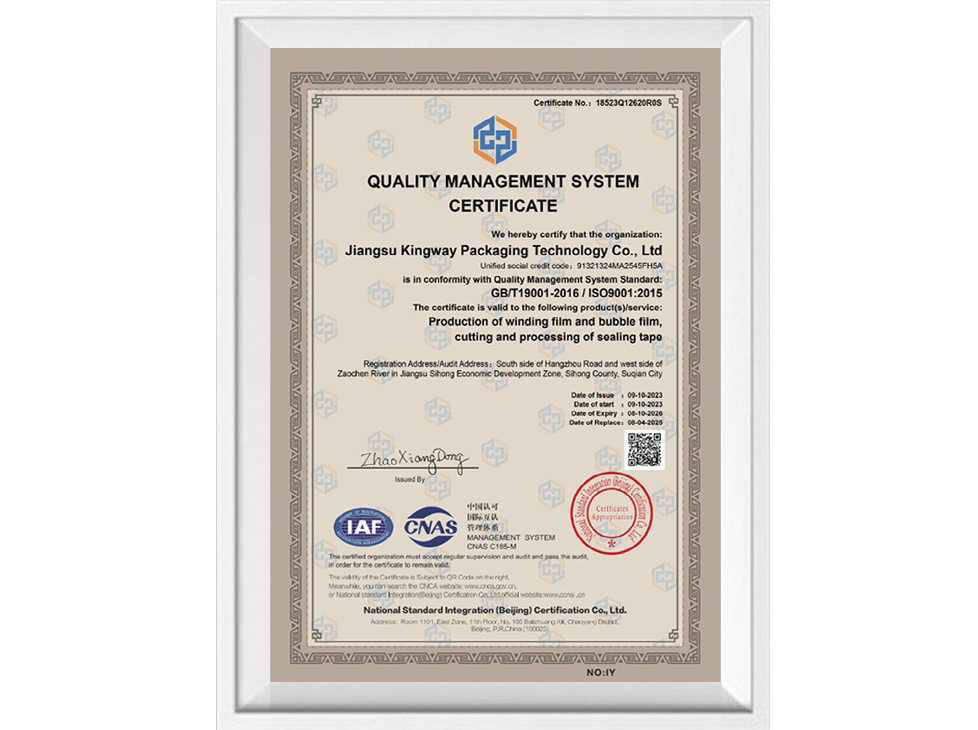
A supplier with a certified Quality Management System, such as ISO 9001, provides assurance that products are manufactured to consistent specifications. This is critical for preventing batch-to-batch variations that could disrupt production lines or compromise product quality. Meticulous control over raw materials, coupled with multi-stage quality checks from intake to finished product, ensures that every roll of film performs as expected.
Technical Support and Customization
The ability to access technical expertise is invaluable. Suppliers with dedicated R&D teams can assist with complex compatibility challenges and develop customized solutions—whether it’s a unique adhesive formulation, a specific color for part identification, or a custom width and length to optimize material usage and reduce waste. This collaborative approach drives innovation and delivers next-generation products with enhanced cost-performance ratios.
Supply Chain and Logistics Reliability
Ample production capacity and a robust logistics network are foundational to a seamless supply. A supplier with multiple manufacturing and distribution hubs can ensure supply stability and enable prompt order-to-delivery conversion, which is vital for maintaining your production schedules and meeting your business objectives in a dynamic global market.
What is the Difference Between Acrylic and Rubber-Based Adhesive in Functional Packaging Tapes?
In the complex world of industrial and logistical operations, the selection of packaging materials is a critical decision that directly impacts efficiency, cost, and product safety. Among these materials, functional packaging tapes play a pivotal role, serving as more than just a means of sealing boxes. They are engineered solutions designed to perform under specific environmental stresses and application demands. The core of a tape’s performance lies in its adhesive system, with acrylic and rubber-based formulations representing the two primary technologies.
This article will provide a detailed, comparative analysis of acrylic and rubber-based adhesives used in functional packaging tapes, examining their chemical properties, performance characteristics, and ideal application scenarios.
Understanding Adhesive Systems in Packaging Tapes
At its most fundamental level, a pressure-sensitive adhesive tape, such as those used in packaging, is a complex composite material. It typically consists of a backing material (like BOPP, PVC, or cloth) and an adhesive layer. The adhesive is formulated to form a bond with a substrate when light pressure is applied. The choice between acrylic and rubber-based adhesives dictates nearly every aspect of the tape’s behavior, from its initial tack to its long-term aging properties. This choice is central to the performance of specialty packaging materials.
An In-Depth Look at Acrylic Adhesives
Acrylic adhesives are synthetic polymers derived from monomers of acrylic acid and its esters. They are known for their exceptional balance of properties, making them a highly reliable choice for a wide array of industrial packaging applications.
Chemical Composition and Key Characteristics
Acrylic adhesives are created through a polymerization process that can be tailored to achieve specific performance metrics. They are inherently resistant to many environmental factors due to their saturated chemical structure.
- Environmental Resistance: Acrylics exhibit excellent resistance to UV radiation, ozone, and elevated temperatures. This makes them less likely to yellow, degrade, or soften excessively when exposed to sunlight or heat over long periods.
- Aging and Clarity: They age very well, maintaining their adhesive properties and clarity over time. This is a significant advantage for archival purposes or for goods requiring long-term storage.
- Chemical Resistance: Acrylic adhesives generally offer better resistance to solvents and plasticizers than their rubber-based counterparts, reducing the risk of adhesive failure when in contact with certain chemicals.
- Shear Strength: They typically possess high cohesive strength, which translates to excellent resistance to shear forces. This means a tape with an acrylic adhesive can hold a load for a longer time without slipping or creeping.
Common Applications for Acrylic-Based Tapes
Due to their robust profile, acrylic-based functional packaging tapes are often specified for demanding environments. They are ideal for sealing cartons that will be stored in outdoor or semi-outdoor conditions, exposed to sunlight, or subjected to temperature fluctuations. Their clear appearance also makes them suitable for applications where aesthetics or barcode scanning are important. Furthermore, they are a preferred choice for heavy-duty packaging solutions where box integrity under load is paramount.
An In-Depth Look at Rubber-Based Adhesives
Rubber-based adhesives are formulated using natural or synthetic rubber resins, often combined with tackifying resins and antioxidants. They are prized for their aggressive initial bonding capability.
Chemical Composition and Key Characteristics
The primary strength of rubber-based adhesives lies in their ability to form a strong bond quickly. However, their unsaturated chemical backbone makes them vulnerable to certain environmental factors.
- High Initial Tack: Rubber adhesives provide superior immediate “stickiness,” or tack. They can form a strong bond to a variety of surfaces with minimal pressure, which is highly beneficial for high-speed automated packaging lines.
- Low-Temperature Performance: They typically adhere well at lower temperatures compared to standard acrylics, making them effective in cold storage or refrigerated logistics environments.
- Cost-Effectiveness: Rubber-based adhesives are often a more economical option, providing strong performance for general-purpose applications at a lower cost.
- Environmental Vulnerabilities: They are susceptible to degradation from UV light, ozone, and heat. Prolonged exposure can cause the adhesive to soften, ooze, or oxidize, becoming brittle and losing its adhesive power. They also have a greater tendency to discolor over time.
Common Applications for Rubber-Based Tapes
The aggressive tack of rubber-based adhesives makes them excellent for sealing standard corrugated cardboard boxes in controlled, indoor environments. They are the workhorse of many e-commerce fulfillment centers and distribution warehouses where speed of application is critical and long-term outdoor exposure is not a concern. They are a fundamental component of many cost-effective packaging supplies.
Comparative Analysis: Acrylic vs. Rubber-Based Adhesives
The following table provides a side-by-side comparison of the two adhesive types across several key performance parameters.
| Performance Parameter |
Acrylic Adhesive |
Rubber-Based Adhesive |
| Initial Tack |
Moderate to Good |
Excellent |
| Peel Adhesion |
Good, can build over time |
Very High, immediate |
| Shear Strength |
Excellent |
Good |
| UV & Weather Resistance |
Excellent |
Poor |
| Temperature Resistance |
High (up to ~150°C/300°F) |
Moderate (up to ~80°C/180°F) |
| Aging & Yellowing |
Very stable, minimal yellowing |
Prone to yellowing and degradation |
| Chemical Resistance |
Good to Excellent |
Fair |
| Cost Profile |
Higher |
Lower |
Selecting the Right Adhesive for the Environment
The operating environment is perhaps the most critical factor in selecting the appropriate functional packaging tape.
- For Harsh Environments: If the sealed packages will be subjected to direct sunlight, significant temperature swings, or potential chemical exposure, an acrylic-based tape is unequivocally the superior choice. Its durability ensures the seal remains intact and the tape does not fail.
- For Controlled, High-Speed Environments: For indoor, climate-controlled warehouses where the primary need is fast, aggressive sealing of boxes that will be shipped and received in a short timeframe, a rubber-based tape offers an efficient and economical solution. Its performance in cold chain logistics is also a notable advantage.
Performance Over Time: Aging and Durability
The long-term behavior of these adhesives differs significantly. Acrylic adhesives are known for their performance consistency. A box sealed with an acrylic tape is likely to have the same bond strength six months or a year later, provided the storage conditions are reasonable. In contrast, a rubber-based adhesive may experience a decline in performance over the same period, especially if exposed to heat or light. This makes acrylic the preferred option for long-term storage solutions and archival purposes.
Complementary Packaging Products for a Complete System
A comprehensive packaging strategy extends beyond tape. In addition to a robust selection of functional packaging tapes, a complete system includes other specialty packaging materials that address different needs. A full-range supplier will typically offer products such as easy-tear tape for convenience and safety, aluminum foil tape for sealing and insulation, standard packing tape for general use, and bubble film for protective cushioning. These products complement the existing packaging solutions and jointly build a comprehensive and efficient packaging system to provide all-round support for your business and meet your packaging needs in other scenarios. The integration of these materials ensures that every aspect of the packaging process, from void fill and cushioning to final sealing, is optimized for performance and cost.

 English
  Español
  Français