What is the Difference Between Matte and Glossy Stationery Adhesive Tape?
In the world of office supplies and creative projects, stationery adhesive tape is a fundamental tool. Its core function is universally understood: to bind, mend, or seal with ease. The essential characteristics of a quality stationery tape include moderate stickiness, ease of tearing and application, and the crucial feature of leaving no adhesive residue. With good elasticity and toughness, it performs reliably on a variety of surfaces, making it a practical tool for everything from office documentation to intricate creative handicrafts. However, within this seemingly simple product category lies a common point of differentiation that significantly impacts its application: the finish. The choice between matte and glossy stationery adhesive tape is more than just aesthetic; it is a decision that influences functionality, usability, and the final presentation of your work.
Understanding the Core Characteristics of Stationery Adhesive Tape
Before delving into the specifics of finish, it is important to establish a baseline understanding of what constitutes this essential product. A standard stationery adhesive tape is a pressure-sensitive tape composed of a backing material coated with an adhesive. The backing provides the tape’s structural integrity, while the adhesive formulation dictates its stickiness and residue properties. The description of a tape that is easy to tear, leaves no residue, and is versatile across multiple surfaces points to a well-engineered balance between these two components. This foundational performance is what both matte and glossy variants are built upon, ensuring they meet the practical needs of daily use in offices, schools, and homes. Whether you are mending a torn page, sealing a package, or creating a piece of art, the reliability of the transparent office tape is paramount.
The Manufacturing Process: A Foundation for Difference
The divergence between matte and glossy finishes originates at the manufacturing stage. Companies like Kingway Packaging, which operate advanced manufacturing bases and utilize numerous automated slitting machines, emphasize precision in this process. The finish of the tape is primarily determined by the treatment of the backing material’s surface. For a glossy finish, the film is typically processed to have a very smooth, reflective surface that allows light to pass through with minimal scattering. A matte finish, conversely, is achieved by physically or chemically texturing the surface. This micro-texturing creates a vast number of tiny, irregular bumps that diffuse light, reducing reflectivity and creating the characteristic non-shiny appearance. This fundamental difference in surface topology is the root cause of all subsequent variations in performance and application between the two types of stationery adhesive tape.
A Detailed Comparison: Matte vs. Glossy Stationery Tape
To make an informed choice, one must examine the specific attributes of each tape type. The following table provides a concise overview of their key differences, which are explored in greater detail in the subsequent sections.
| Feature |
Glossy Stationery Tape |
Matte Stationery Tape |
| Primary Use Case |
General office work, sealing, packaging, simple mending. |
Creative projects, photo mounting, archival work, document repair. |
| Aesthetics |
High clarity, reflective, can be visually obtrusive. |
Low reflectivity, subtle, blends seamlessly with most surfaces. |
| Writeability |
Poor; ink smudges easily and does not adhere well. |
Excellent; accepts ink from most pens and markers cleanly. |
| Visibility on Paper |
Can create a visible “shine” that contrasts with matte paper. |
Blends in more naturally with the texture of paper. |
| Tack & Adhesion |
Often has a slightly higher initial tack due to a smoother contact surface. |
May have a marginally lower initial tack but offers strong bonding. |
Analyzing Glossy Stationery Adhesive Tape
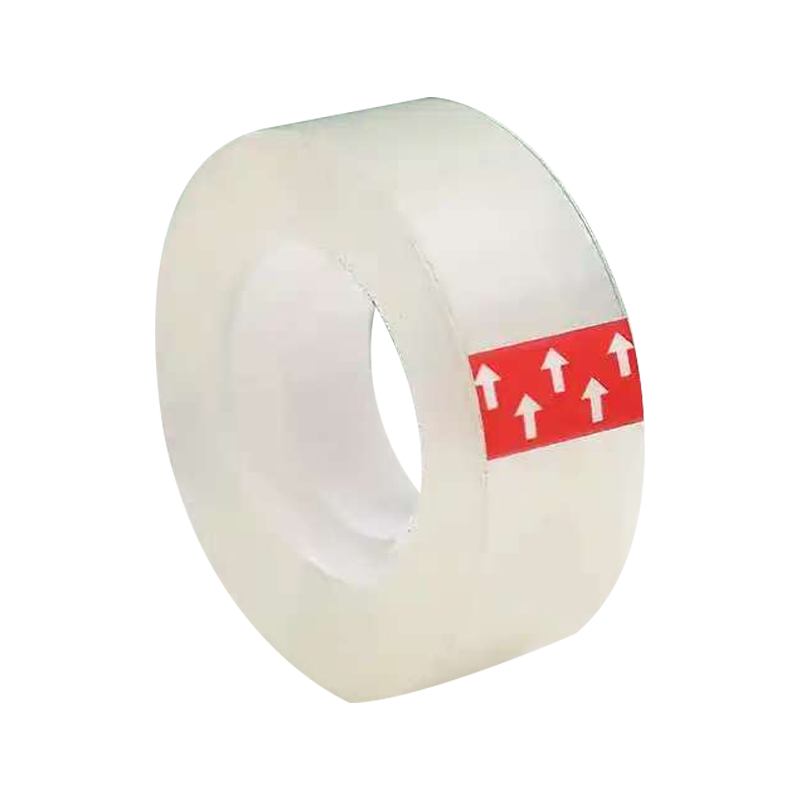
Glossy stationery adhesive tape is the most common and widely recognized variant. Its shiny, transparent appearance is a result of its smooth surface finish.
Visual and Aesthetic Properties: The primary advantage of glossy tape is its high optical clarity. It is exceptionally transparent, making it a good choice for tasks where seeing the underlying text or image clearly is important, provided the shine does not create a distraction. However, this high reflectivity is also its main drawback in many scenarios. When applied to matte surfaces like paper, the glossy strip can be very noticeable under light, creating a visual disruption that some find undesirable. This is particularly relevant when mending important documents or book pages, where the repair should be as discreet as possible.
Functional Performance: From a functional standpoint, the smooth surface of glossy tape allows for excellent initial contact and adhesion on smooth surfaces. This makes it highly effective for quick sealing tasks and general-purpose bonding. However, its functionality is limited when it comes to writeability. Attempting to write on glossy tape with a ballpoint pen, marker, or pencil is often futile; the ink will not properly adhere and is prone to smudging, making it unsuitable for labeling or annotation directly on the tape.
Analyzing Matte Stationery Adhesive Tape
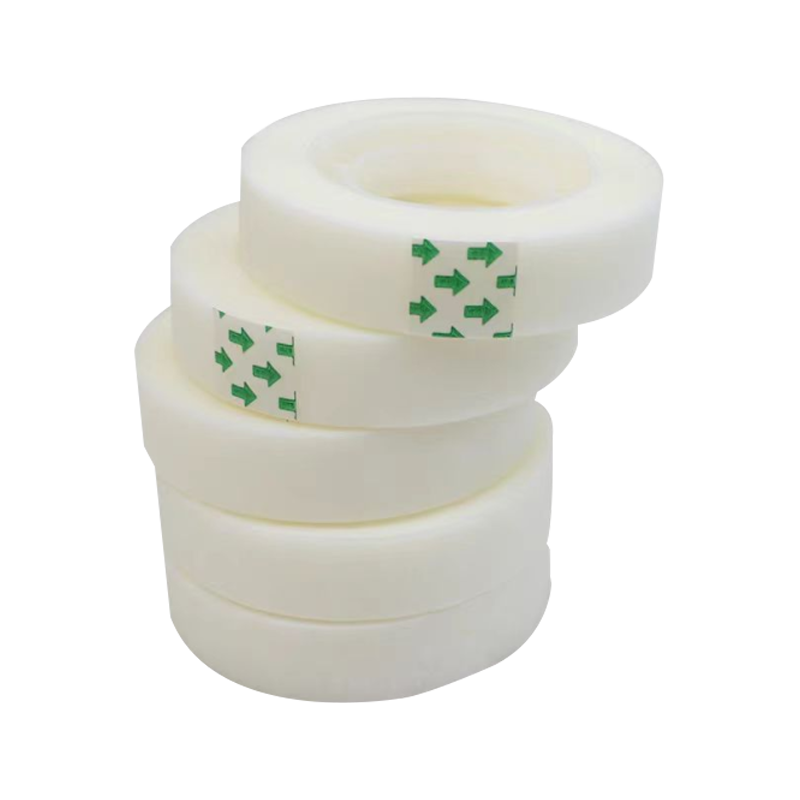
Matte stationery adhesive tape, sometimes referred to as cellophane stationery tape, has gained significant popularity, especially in creative and archival fields, due to its unique set of properties.
Visual and Aesthetic Properties: The most defining characteristic of matte tape is its low reflectivity. The textured surface scatters light, eliminating glare and shine. This allows the tape to blend almost seamlessly into paper, cardstock, and other matte surfaces. When applied, it is far less obtrusive than its glossy counterpart, making it the preferred choice for repairing valuable documents, book pages, and photographs where a discreet mend is crucial. Its subtle appearance is often described as more professional and refined for final presentations.
Functional Performance: The most significant functional advantage of matte stationery adhesive tape is its writeability. The micro-textured surface provides “tooth” for ink to grip onto. This means you can easily and cleanly write on it with a wide variety of pens, including ballpoints, gel pens, and fine-line markers. This feature is indispensable for labeling, creating diagrams, or adding handwritten notes directly onto taped areas. Furthermore, the matte finish is less prone to showing fingerprints and minor scratches, maintaining a cleaner appearance over time. While its initial tack might feel slightly different from glossy tape, it provides a strong and reliable bond that meets the requirements of most applications.
Selecting the Right Tape for Your Application
Understanding the distinct properties of each tape type allows for a strategic selection process. The choice should be guided by the primary requirements of the task at hand.
Ideal Use Cases for Glossy Tape
Glossy stationery adhesive tape excels in general-purpose, functional applications where aesthetics and writeability are secondary concerns. Its high clarity and strong adhesion make it suitable for sealing cardboard boxes, bundling items temporarily, or performing quick fixes on plastic or glass surfaces. In a fast-paced office environment for simple paper-mending or attaching notes, its widespread availability and cost-effectiveness are key advantages.
Ideal Use Cases for Matte Tape
Matte stationery adhesive tape is the specialist’s choice. Its superior characteristics make it indispensable in several specific scenarios. In creative handicrafts and scrapbooking, it is invaluable for its ability to be written on and its discreet appearance. For archival work and photo mounting, its acid-free variants and non-reflective nature help preserve the integrity and look of the original material. In office settings, it is ideal for repairing important reports or documents where a visible shiny strip would be deemed unprofessional. It is also the best transparent office tape for creating clean-looking tape-tab hinges for mounting posters or artwork without distracting shine.
Quality and Innovation in Tape Manufacturing
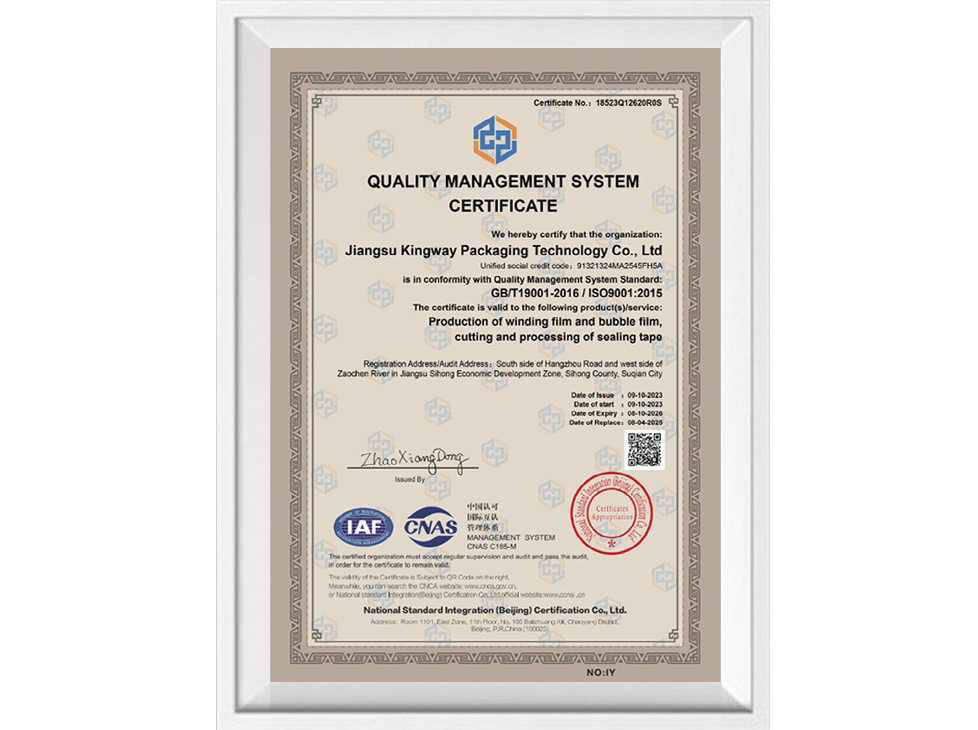
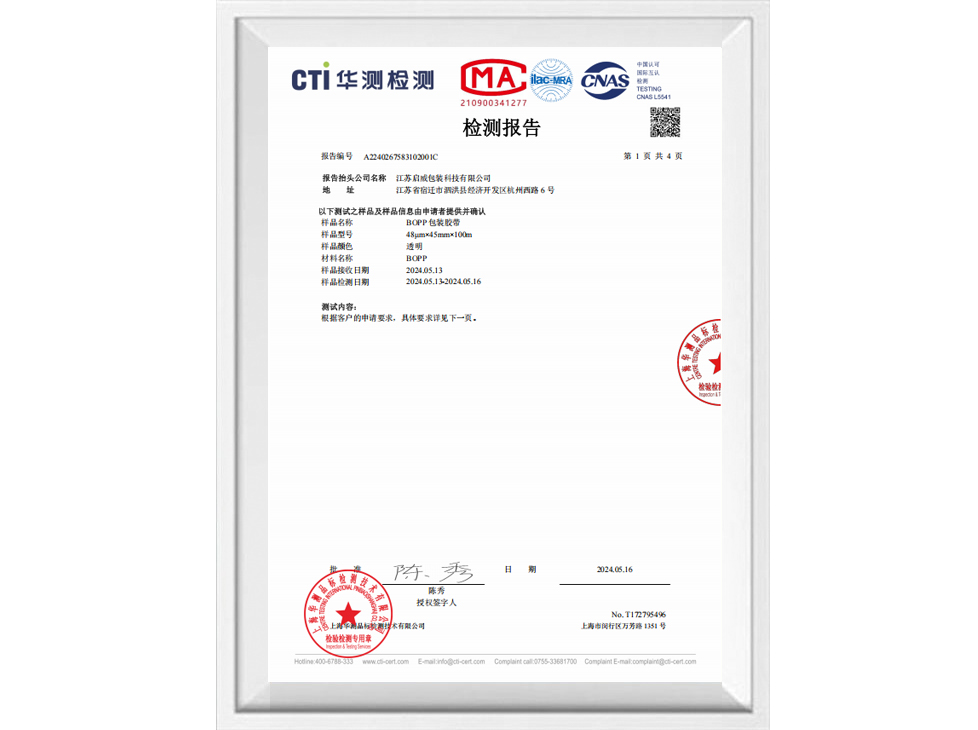
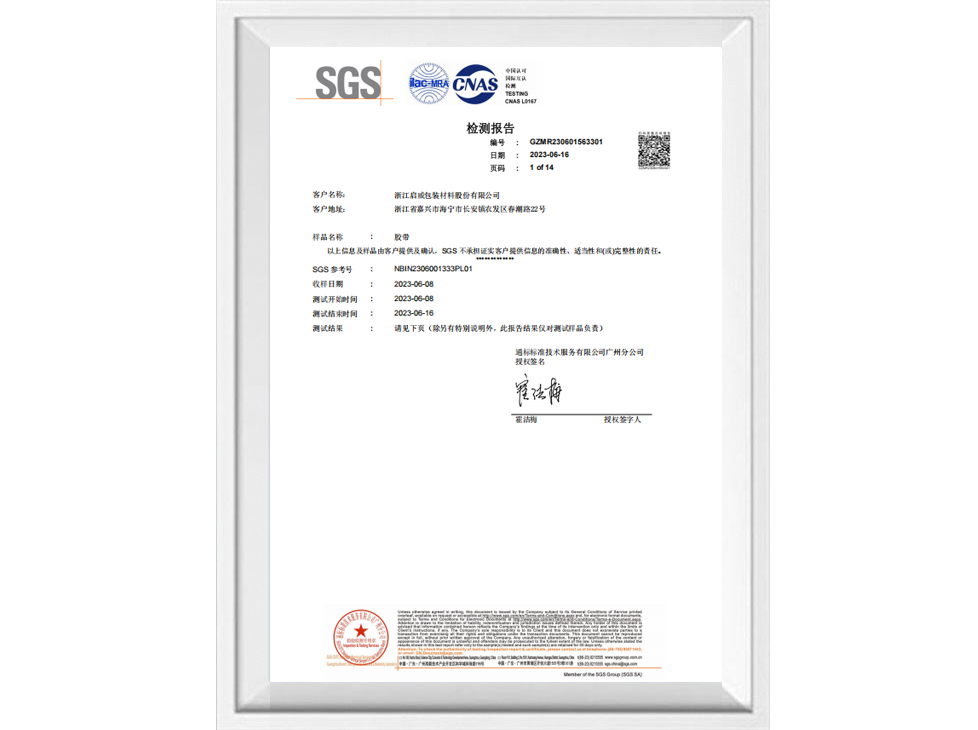
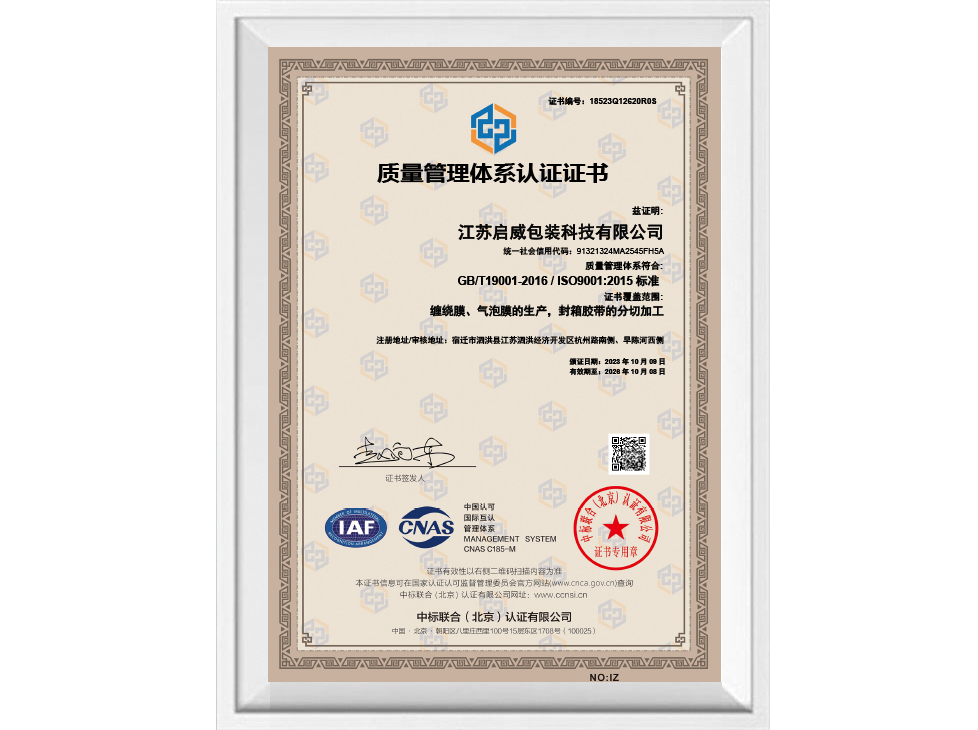
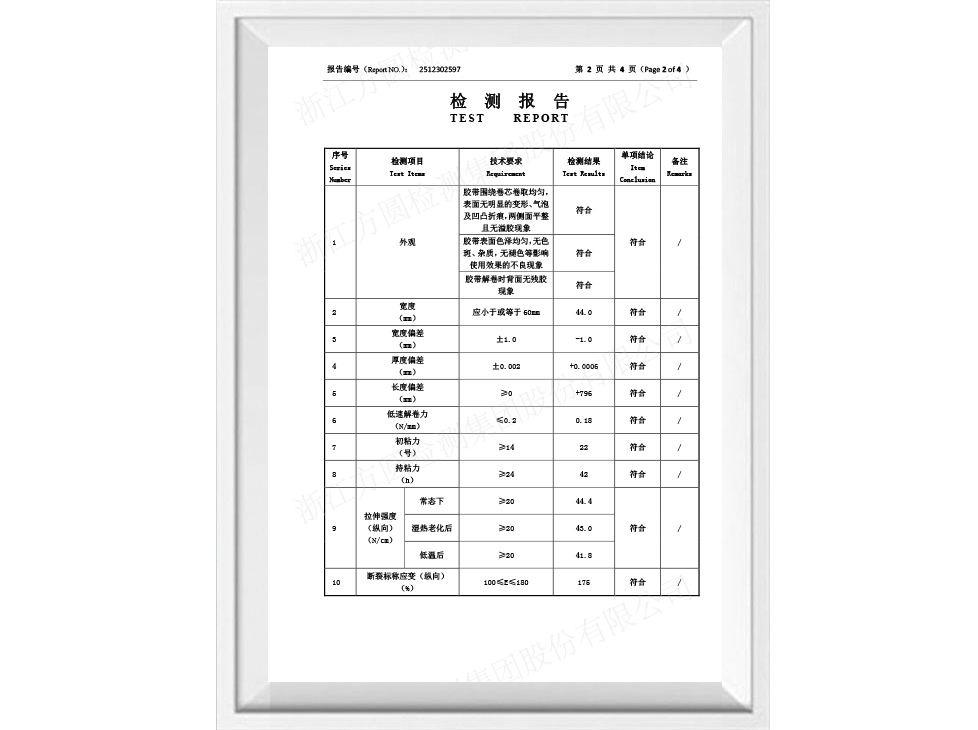
The consistent performance of both matte and glossy tapes relies on advanced manufacturing processes and a rigorous commitment to quality control. Manufacturers operating within a certified ISO9001 Quality Management System ensure that every roll of tape, regardless of its finish, delivers on the promise of easy tearing, no residue, and reliable adhesion. This involves meticulous raw material screening, precise process control during coating and texturing, and multi-stage quality inspections from raw material intake to finished product delivery. The ability to produce both finishes consistently, with batch-to-batch uniformity, is a testament to sophisticated production governance and technological R&D in the packaging sector. This foundational quality is what allows users to confidently choose between matte and glossy based on their specific needs, without worrying about the tape’s core functionality.

 English
  Español
  Français