
 English
  Español
  Français
Kingway
Kingway
Kingway
Kingway
Kingway
Kingway
Kingway
Kingway
Kingway
Kingway
Kingway
Kingway
Kingway
Kingway
Kingway
Kingway
A Practical Guide to Types of Packing Tapes in Modern Packaging Industry
2026-05-08
In today’s logistics-driven supply chain, packaging efficiency plays a critical role in ensuring product safety and delivery reliability. Among all packaging materials, packing tapes remain one of the most essential tools for sealing, protecting, and securing goods during transportation.
However, not all tapes serve the same purpose. Different types of packing tapes are designed for different packaging environments, material strengths, and operational needs. Understanding these differences helps businesses improve packaging performance and reduce shipping risks.
Overview of Packing Tape in Packaging Applications
Packing tape is widely used in carton sealing, warehouse operations, and logistics distribution. Its primary function is to ensure that packaging remains securely closed throughout handling, storage, and transport.
Modern packaging operations rely on multiple packaging tape types, each offering specific performance advantages such as adhesion strength, noise control, flexibility, or environmental resistance.
Common industrial use cases include:
- Carton sealing for shipping boxes
- Product bundling and reinforcement
- Label protection and surface masking
- Warehouse and fulfillment packaging operations
Main Types of Packing Tapes and Their Applications
Clear Packing Tape
Clear packing tape is one of the most widely used sealing solutions in logistics operations.
Key features:
- Transparent appearance for easy product visibility
- Strong adhesion for carton sealing
- Suitable for lightweight to medium packaging
Typical applications:
- Sealing shipping boxes
- E-commerce packaging
- Envelope and document protection
Masking Tape
Masking tape is designed for temporary adhesion and surface protection tasks.
Key features:
- Easy to tear by hand
- Removable without residue
- Writable surface for labeling
Typical applications:
- Temporary package labeling
- Surface masking during packaging
- Light-duty bundling tasks
Cloth Tape
Cloth tape is reinforced with fabric backing, offering higher durability compared to standard tapes.
Key features:
- Strong tensile strength
- Flexible structure
- Suitable for rough handling environments
Typical applications:
- Heavy-duty carton sealing
- Industrial packaging
- Repair and reinforcement tasks
Kraft Paper Tape
Kraft paper tape is an eco-conscious packaging solution designed for secure carton sealing.
Key features:
- Paper-based structure
- Strong bonding performance
- Compatible with various carton surfaces
Typical applications:
- Sustainable packaging systems
- Export carton sealing
- Warehouse packaging operations
Silent Packing Tape
Among modern packaging solutions, silent packing tape has become increasingly important in high-efficiency packaging environments.
Key features:
- Low-noise unrolling during use
- Smooth application process
- Suitable for continuous packaging lines
Typical applications:
- Office-based packing operations
- E-commerce fulfillment centers
- High-volume packaging environments
Silent packing tape improves working comfort and reduces noise pollution in packaging workplaces, making it a preferred option in modern logistics systems.
Nano Grip Tape
Nano grip tape is a reusable adhesive solution designed for flexible packaging requirements.
Key features:
- Strong gripping performance
- Washable and reusable
- No traditional glue required
Typical applications:
- Re-sealable packaging systems
- Temporary fixing and bundling
- Flexible logistics packaging solutions
Nightglow Tape
Nightglow tape is designed for visibility and safety marking rather than traditional packaging sealing.
Key features:
- Glow-in-the-dark visibility
- Safety-oriented design
- Long-lasting luminescence
Typical applications:
- Warehouse safety marking
- Stair and corridor guidance
- Emergency visibility labeling
Comparison of Common Packing Tape Types
| Tape Type | Main Feature | Best Use Scenario | Adhesion Level |
|---|---|---|---|
| Clear Tape | Transparent sealing | General carton packaging | Medium-High |
| Masking Tape | Removable & writable | Temporary labeling | Low |
| Cloth Tape | High strength | Heavy-duty packaging | High |
| Kraft Tape | Eco-friendly material | Sustainable shipping | Medium-High |
| Silent Tape | Noise-free operation | Indoor packaging environments | Medium-High |
| Nano Grip Tape | Reusable adhesion | Flexible packaging systems | Adjustable |
| Nightglow Tape | Visibility function | Safety marking | Low |
How to Choose the Right Packing Tape
Selecting the correct packaging tape depends on multiple operational factors:
- Type of goods being packaged
- Transportation distance and handling conditions
- Required adhesion strength
- Workplace environment (noise, speed, automation level)
Businesses often evaluate strong adhesive tape for shipping goods or durable tape for international shipping when dealing with long-distance logistics operations.
Understanding packaging tape types and their uses helps companies optimize packaging workflows and improve delivery reliability.
Packaging Solutions by Kingway Packaging
Kingway Packaging provides a wide range of industrial packaging solutions designed for modern logistics and e-commerce operations. The focus is on delivering consistent quality, stable adhesion performance, and efficient packaging usability across different application scenarios.
Whether for carton sealing, warehouse packaging, or specialized logistics requirements, choosing the right tape ensures improved operational efficiency and product protection.
FAQ – Types of Packing Tapes
Q1: What is the most commonly used packing tape?
Clear packing tape is widely used due to its strong adhesion and versatility in carton sealing applications.
Q2: What is silent packing tape used for?
Silent packing tape is designed for low-noise environments such as offices and high-volume packaging centers.
Q3: Which tape is best for heavy-duty packaging?
Cloth tape is typically used for heavy-duty packaging due to its reinforced structure and high tensile strength.
Q4: Is kraft paper tape environmentally friendly?
Yes, kraft paper tape is considered an eco-friendly option as it uses paper-based materials suitable for sustainable packaging.
Q5: How do I choose the right packing tape for my business?
The selection depends on packaging requirements, product weight, shipping conditions, and operational environment.
-
How Stretch Films Are Revolutionizing Packaging?
Introduction In recent years, the global packaging industry has witnessed remarkable transformations... -
How to Choose the Right Stretch Wrap Film for Industrial Packaging Needs
Selecting the optimal stretch wrap film is a critical decision in industrial packaging. The right ch... -
How to Choose the Right Packaging Tape for Your Business?
Introduction: A Small Tape with a Big Responsibility In the worlds of logistics, warehousing, and da... -
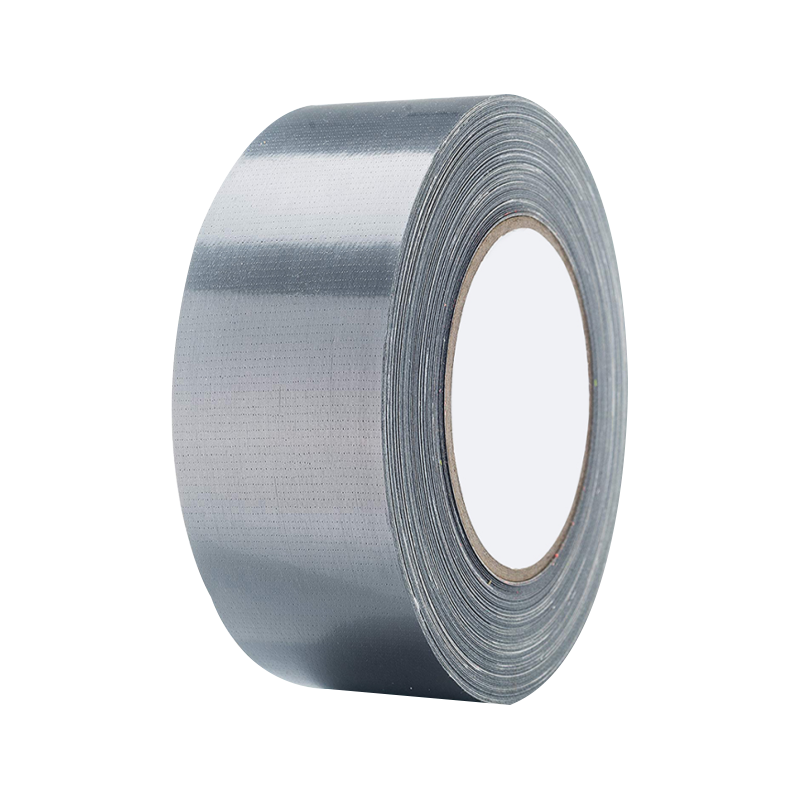
The Ultimate Guide to Waterproof Duct Tape
What is Waterproof Duct Tape? In modern life and industrial applications, Waterproof Duct Tape is no...
Message Us Right Now!
- Products
- Stretch Film
- BOPP Packing Tape
- Masking Tape
- Duct Tape
- PVC Tape
- Kraft Tape
- Double Side Tape
- Stationery Tape
- Crystal Clear Tape & Super Clear Tape
- NO NOISE Tape & Low Noise Tape
- Other Packaging Products
- Telephone
- +86-527-86881066
- +86-15925605882
- [email protected]
- Address
- NO.6 Hangzhouxi, Sihong Economic Development Zone, Sihong, Suqian 223900, Jiangsu, China


Copyright © Jiangsu Kingway Packaging Technology Co., Ltd.
Zhejiang Kingway Packaging Products Co., Ltd.
All rights reserved.
Wholesale Packaging Material Factory

