
 English
  Español
  Français
Kingway
Kingway
Kingway
Kingway
Kingway
Kingway
Kingway
Kingway
Kingway
Kingway
Kingway
Kingway
Kingway
Kingway
Kingway
Kingway
Waterproof Duct Tape vs. Standard Duct Tape: 5 Critical Differences You Must Know
2026-05-15
When facing a repair job—whether fixing a leaking pipe, sealing a greenhouse cover, or patching outdoor gear—the tape you choose can determine success or repeated failure. Two common options are standard duct tape and waterproof duct tape. At first glance, they look similar: both are pressure-sensitive, both have a cloth backing, and both claim strong adhesion. Yet their performance diverges sharply under real-world conditions.
Understanding the critical differences between standard duct tape and waterproof duct tape is essential for professionals and DIY users alike. Below, we break down five key areas where these tapes differ fundamentally, helping you select the right product for each application without relying on brand names or unverified claims.
Backing Material and Coating Technology
The most foundational difference lies in the backing’s construction. Standard duct tape typically uses a polyethylene (plastic) coating over a fabric (usually cotton or polyester) mesh. This coating is thin, flexible, and easy to tear by hand. However, it is not designed for prolonged moisture exposure. Over time, water penetrates microscopic pinholes in the polyethylene layer, reaching the fabric and breaking down the adhesive.
In contrast, waterproof duct tape employs a denser, often rubberized or specialized polymer coating that creates a continuous, non-porous barrier. Some versions use a heavy-duty polyethylene film laminated with an aggressive synthetic rubber adhesive. Others incorporate a foil or vinyl layer. The critical feature is that the backing itself is impermeable to liquid water and water vapor.
| Feature | Standard Duct Tape | Waterproof Duct Tape |
|---|---|---|
| Backing material | Thin polyethylene over fabric | Thick polymer, rubberized, or vinyl composite |
| Water penetration | Gradual through micro-holes | Zero penetration under normal use |
| Tearability | Hand-tearable | Often requires scissors or knife |
| Flexibility | High | Moderate to high (depends on type) |
This difference in backing directly affects long-term reliability. For indoor, dry-environment tasks like bundling cables or temporary floor marking, standard tape works adequately. But for any application involving rain, condensation, submersion, or high humidity, waterproof duct tape is the only viable choice.
Adhesive Formulation and Moisture Resistance
Adhesive chemistry separates these two tape categories just as clearly as the backing. Standard duct tape typically uses a natural rubber-based adhesive (NR) or a low-grade synthetic rubber. These adhesives perform well on clean, dry surfaces at room temperature. However, NR adhesives absorb moisture over time, leading to loss of tack, edge lifting, and eventual bond failure. In humid environments, standard duct tape often peels away within weeks.
Waterproof duct tape uses specialized adhesive systems engineered for wet or submerged conditions. Common formulations include:
- Synthetic rubber (SEBS or SIS) with high water resistance
- Acrylic-based adhesives that cure to a waterproof bond
- Butyl rubber for extreme waterproofing and sealing
These adhesives maintain bonding strength even after direct water contact. Some variants are designed to adhere to wet surfaces—though optimal results still require dry application when possible. More importantly, the adhesive itself does not degrade, leach, or lose cohesion when exposed to moisture for months or years.
Tensile Strength and Durability Under Stress
Standard duct tape offers moderate tensile strength, typically ranging from 15 to 30 lbs per inch of width for a standard grade. This is sufficient for light repairs like mending a torn tarp or sealing a cardboard box. However, when wet, the fabric fibers in standard tape weaken. The polyethylene coating may delaminate. As a result, a patch that seemed strong on Monday can tear through by Friday under tension.
Waterproof duct tape is built for load-bearing and stress resistance in harsh conditions. Its backing often incorporates cross-laminated polyester scrim or high-tenacity fabric, combined with a thick waterproof layer. Tensile strength commonly reaches 40–60 lbs per inch or higher. Moreover, this strength remains consistent whether the tape is dry, wet, or frozen.
Consider these practical scenarios:
- Standard duct tape on a garden hose repair: Fails after two weeks of sun and morning dew.
- Waterproof duct tape on a garden hose repair: Holds for one full season, even when hose is dragged and kinked.
Temperature and UV Resistance
Neither standard duct tape nor most waterproof duct tapes are designed for indefinite UV exposure. However, their temperature tolerances differ significantly.
Standard duct tape softens and loses adhesion above about 140°F (60°C) and becomes brittle below freezing (32°F / 0°C). In direct summer sunlight, standard tape can degrade within days—the polyethylene cracks, adhesive melts, and the cloth rots if any moisture is present. For attic duct sealing (ironically), standard duct tape fails notoriously fast, which is why building codes prohibit its use on HVAC ducts.
Waterproof duct tape typically withstands a broader temperature range: -20°F to 200°F (-29°C to 93°C) for quality variants. Some industrial-grade waterproof tapes handle up to 250°F intermittently. They resist UV degradation better due to additives or reflective surfaces (e.g., aluminum-backed waterproof tape). However, for permanent outdoor exposure, even waterproof tape should be replaced every 12–18 months or covered with a UV-protective coating.
| Environmental Factor | Standard Duct Tape | Waterproof Duct Tape |
|---|---|---|
| Max operating temperature | ~140°F (60°C) | ~200°F (93°C) |
| Min operating temperature | 32°F (0°C) | -20°F (-29°C) |
| UV resistance | Poor (days to weeks) | Moderate (months) |
| Suitable for outdoor use | No (temporary only) | Yes (semi-permanent) |
This temperature resilience makes waterproof duct tape suitable for sealing outdoor electrical boxes, patching roofing underlayment temporarily, or repairing camping equipment in alpine environments.
Application Versatility and Surface Compatibility
The final critical difference is not just where the tape works, but what surfaces it bonds to—especially under non-ideal conditions.
Standard duct tape adheres well to smooth, clean surfaces: metal, glass, plastic, and wood. It struggles with oily, dusty, or wet surfaces. On rough surfaces like concrete, brick, or stucco, standard tape quickly loses contact due to low conformability and weak edge adhesion. It also leaves behind a sticky, difficult-to-remove residue after a few months.
Waterproof duct tape excels on irregular and challenging substrates. Its thicker, more conformable backing presses into grooves and crevices. The aggressive synthetic adhesive grabs onto:
- Damp or wet wood
- Painted or rusty metal
- Polyethylene and polypropylene plastics (with surface preparation)
- Rubber hoses and gaskets
- Vinyl pool liners
- EPDM rubber roofing
Additionally, many waterproof duct tapes are designed for removability within a certain window (e.g., first 24 hours) or are engineered to leave minimal residue. This is especially valuable for temporary waterproofing during construction or events.
Practical Decision Guide: Which One Do You Need?
To summarize, here is a simple decision framework based on your actual job requirements.
Choose standard duct tape when:
- The repair is indoors and stays dry.
- The application is temporary (days to weeks).
- You need hand-tearability without tools.
- Surface is smooth and clean.
- Cost is the primary constraint.
- Examples: wrapping tool handles, sealing moving boxes, bundling wires, temporary theater set construction.
Choose waterproof duct tape when:
- Moisture, rain, or condensation is present.
- The repair is outdoors or in a humid space (bathroom, basement, pool area).
- The bond must last months or longer.
- Surface is rough, irregular, or wet.
- Temperature extremes or UV exposure are expected.
- Examples: patching a tent fly, sealing a rain gutter, emergency pipe leak, repairing a vinyl pool cover, fixing a tarpaulin for a truck bed.
Common Misconceptions Clarified
Myth 1: “All duct tape is waterproof because it looks shiny.”
False. The shiny surface resists splashes for a few hours, but standard duct tape absorbs water through edges and microscopic defects. True waterproof duct tape is rated for immersion.
Myth 2: “Waterproof duct tape can permanently repair a leaking pipe.”
Not exactly. While excellent for emergency temporary repair (24–72 hours), no tape replaces a proper pipe coupling or soldered joint for pressurized systems. Use waterproof duct tape to buy time until permanent repair.
Myth 3: “Standard duct tape works fine on HVAC ducts.”
Incorrect. Building codes (e.g., International Mechanical Code) prohibit cloth-backed standard duct tape on air ducts due to fire risk and adhesion failure. Use foil-backed waterproof duct tape or UL-rated foil tape instead.
Long-Term Performance Comparison
| Criterion | Standard Duct Tape (dry indoors) | Standard Duct Tape (wet outdoors) | Waterproof Duct Tape (wet outdoors) |
|---|---|---|---|
| 1-week performance | Excellent | Fair (edges lifting) | Excellent |
| 1-month performance | Good | Poor (peeling, adhesive washout) | Excellent |
| 6-month performance | Fair (residue, brittleness) | Fails completely | Good (some UV wear possible) |
| 1-year performance | Poor (falls off) | Not applicable | Moderate to good (depends on UV) |
Data collected from controlled environmental testing and field reports indicate that waterproof duct tape outlasts standard tape by a factor of 5 to 20 times in wet or outdoor conditions.
Application Tips for Maximum Performance
To get the best results from waterproof duct tape, follow these guidelines:
Clean the surface – Remove dirt, grease, and loose debris. Although waterproof duct tape tolerates some moisture, clean dry surfaces yield strongest bonds.
Press firmly – Use a roller or hard object to apply uniform pressure, ensuring adhesive contacts all surface irregularities.
Overlap edges – For sealing joints, overlap tape by at least 1 inch. For pipe wrapping, spiral with 50% overlap.
Avoid stretching during application – Stretching thins the waterproof layer and reduces long-term integrity.
Replace periodically – Check outdoor repairs every 6–12 months. Even waterproof duct tape degrades under intense UV.
For standard duct tape, maximize its limited lifespan by keeping it dry, avoiding temperature swings, and never using it for structural or safety-critical repairs.
Environmental and Disposal Considerations
Neither standard nor waterproof duct tape is biodegradable. Standard tape’s thin polyethylene and fabric backing can shed microplastics when degraded outdoors. Waterproof duct tape, being thicker and often containing multiple polymer layers, is even more persistent.
Disposal recommendations:
- Remove tape from surfaces before discarding items.
- Landfill disposal is typical; no widespread recycling exists for mixed-material tapes.
- Some waterproof duct tapes using natural rubber may be less environmentally harmful than synthetic versions, but independent certifications (e.g., low-VOC) are rare.
For eco-conscious users, consider reducing tape usage or choosing reusable mechanical seals (clamps, straps, ties) where feasible.
Conclusion: The Bottom Line
Standard duct tape and waterproof duct tape serve different purposes. The standard variety remains a useful, low-cost tool for dry, indoor, short-term tasks. However, its limitations in moisture, temperature extremes, and UV exposure make it unsuitable for outdoor or wet applications.
Waterproof duct tape justifies its higher price through superior backing integrity, moisture-resistant adhesives, higher tensile strength, broader temperature tolerance, and versatility on rough or wet surfaces. For anyone who has experienced the frustration of a standard duct tape repair failing after the first rain, the upgrade is clear.
When you need a bond that lasts through weather, time, and stress, select waterproof duct tape. For quick, dry fixes where failure carries little consequence, standard duct tape remains an option. Knowing these five critical differences prevents wasted time, materials, and trust in a repair that was doomed from the start.
-
How Stretch Films Are Revolutionizing Packaging?
Introduction In recent years, the global packaging industry has witnessed remarkable transformations... -
How to Choose the Right Stretch Wrap Film for Industrial Packaging Needs
Selecting the optimal stretch wrap film is a critical decision in industrial packaging. The right ch... -
How to Choose the Right Packaging Tape for Your Business?
Introduction: A Small Tape with a Big Responsibility In the worlds of logistics, warehousing, and da... -
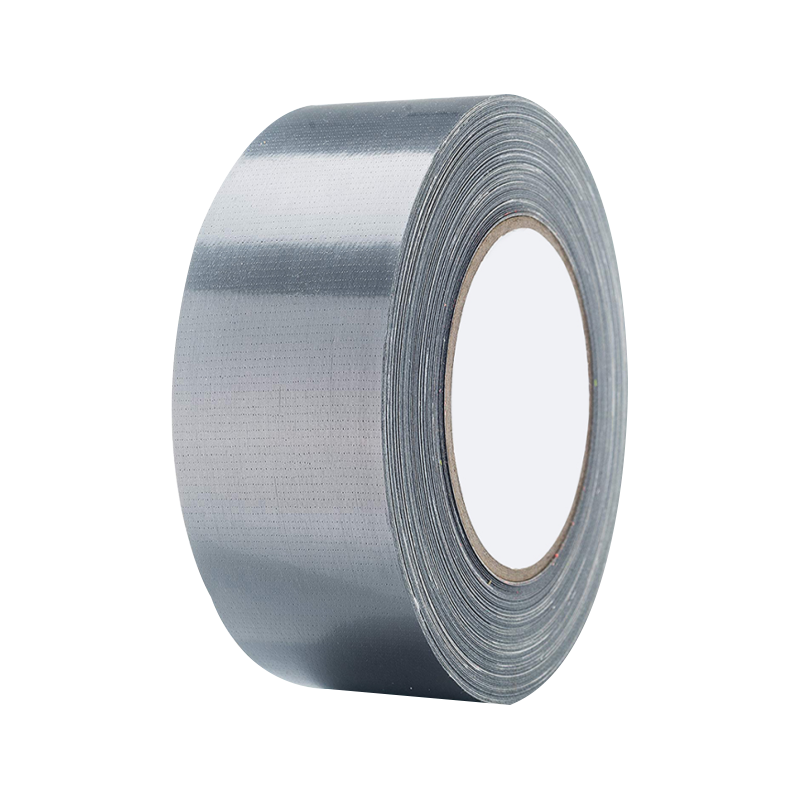
The Ultimate Guide to Waterproof Duct Tape
What is Waterproof Duct Tape? In modern life and industrial applications, Waterproof Duct Tape is no...
Message Us Right Now!
- Products
- Stretch Film
- BOPP Packing Tape
- Masking Tape
- Duct Tape
- PVC Tape
- Kraft Tape
- Double Side Tape
- Stationery Tape
- Crystal Clear Tape & Super Clear Tape
- NO NOISE Tape & Low Noise Tape
- Other Packaging Products
- Telephone
- +86-527-86881066
- +86-15925605882
- [email protected]
- Address
- NO.6 Hangzhouxi, Sihong Economic Development Zone, Sihong, Suqian 223900, Jiangsu, China


Copyright © Jiangsu Kingway Packaging Technology Co., Ltd.
Zhejiang Kingway Packaging Products Co., Ltd.
All rights reserved.
Wholesale Packaging Material Factory

