
 English
  Español
  Français
Kingway
Kingway
Kingway
Kingway
Kingway
Kingway
Kingway
Kingway
Kingway
Kingway
Kingway
Kingway
Kingway
Kingway
Kingway
Kingway
Blown Stretch Film vs Cast Stretch Film: What’s the Difference?
2026-04-30
Introduction
Stretch film is a versatile and essential material used in a wide range of industries for packaging and securing goods. Whether for protecting products during transit or ensuring stable pallet loads, stretch film plays a key role in ensuring the safety and integrity of items. Among the various types of stretch film, two primary categories dominate the market: blown stretch film and cast stretch film. These two types, while similar in function, have distinct differences in terms of production, properties, and ideal applications. Understanding these differences can help businesses make an informed decision when choosing the best film for their packaging needs.
What is Stretch Film?
Stretch film, often referred to as stretch wrap film, is a plastic film made from linear low-density polyethylene (LLDPE). It is known for its ability to stretch and cling to products or pallet loads tightly, providing excellent load containment and protection from dust, dirt, and moisture. Stretch films are commonly used in warehousing, distribution, and logistics to stabilize products during transport.
Stretch film can be classified into two types based on the manufacturing process: blown stretch film and cast stretch film. Both offer unique benefits, but their distinct production methods and material properties make them suitable for different applications.
Blown Stretch Film: Characteristics and Benefits
Blown stretch film is produced through an extrusion process where molten polyethylene is inflated into a bubble and then cooled. This process results in a film with higher strength and thickness, making it ideal for heavy-duty applications. Below are the key characteristics and advantages of blown stretch film:
Key Features:
- Strength: Blown stretch film has superior strength due to its molecular structure, which allows it to be stretched more without breaking. This makes it ideal for wrapping irregularly shaped or heavy items.
- Clingability: The film offers excellent cling properties, making it stick better to the surface of wrapped products.
- Tear Resistance: Blown stretch film has a high tear resistance, which means it can withstand rough handling and puncturing during transportation.
- Elasticity: It has high elongation properties, meaning it can stretch to a greater degree without losing its grip.
Ideal Applications:
- Heavy-duty pallet loads
- Irregularly shaped items
- Items requiring maximum stretch and load stability
- Products that need protection against dirt, dust, and moisture
Cast Stretch Film: Characteristics and Benefits
Cast stretch film, in contrast, is made using a flat-die extrusion process. The polyethylene is melted and then cast onto a flat surface, cooling it to form a thinner, more uniform film. Cast stretch film typically has the following features:
Key Features:
- Transparency: Cast stretch film is much clearer than blown stretch film, which makes it easier to view and identify the wrapped products.
- Smoothness: The film is smoother, which reduces the likelihood of the film sticking to itself, making it easier to handle.
- Lower Force to Stretch: Cast stretch film requires less force to stretch, which can be beneficial when wrapping products quickly and efficiently.
- Cost-Effective: Typically, cast stretch film is more affordable due to its manufacturing process.
Ideal Applications:
- Lighter products
- Applications where transparency is needed
- Items requiring less aggressive cling
- High-speed wrapping operations
Blown vs Cast Stretch Film: A Side-by-Side Comparison
To help you decide which type of stretch film is best suited for your specific needs, here’s a detailed comparison of blown and cast stretch films:
| Feature | Blown Stretch Film | Cast Stretch Film |
|---|---|---|
| Production Process | Extruded through an air bubble | Extruded through a flat die |
| Strength | Higher tensile strength | Lower tensile strength |
| Clingability | Excellent cling to surfaces | Good cling, but not as strong |
| Transparency | Less clear, more opaque | Clearer and more transparent |
| Elasticity | High elongation properties | Lower elongation properties |
| Tear Resistance | Superior tear resistance | Moderate tear resistance |
| Stretching Ability | High stretch capacity | Lower stretch capacity |
| Cost | Generally more expensive | More cost-effective |
| Ideal Use | Heavy-duty, irregularly shaped items | Lighter items, high-speed wrapping |
How to Choose Between Blown and Cast Stretch Film?
Choosing the right stretch film largely depends on your packaging requirements, the nature of your products, and your wrapping process. Here’s a brief guide to help you select the most appropriate film for your needs:
For Heavy-Duty Applications: If you’re wrapping heavy or irregularly shaped items, blown stretch film is the better choice due to its superior strength, tear resistance, and elasticity.
For Lightweight Products: If you’re packaging lighter items or require a film with greater transparency, cast stretch film will suit your needs better. It’s also a good option for high-speed operations.
For Cost-Conscious Packaging: If budget is a concern and the application does not require the highest strength, cast stretch film offers a more affordable solution while still providing reliable protection.
For Maximum Cling and Protection: Blown stretch film excels in applications where clingability and durability are essential, such as for load stability in shipping.
Additional Considerations When Using Stretch Film
While choosing between blown and cast stretch film, consider the following factors to further optimize your packaging process:
- Film Thickness: Thicker films generally provide more protection, but they may be less cost-effective. Always choose the thickness that balances durability and cost.
- Machine vs. Hand Use: Stretch film can be applied either by hand or machine. If you’re using a stretch wrapping machine, ensure that the film is compatible with the machine to prevent downtime.
- Environmental Considerations: Many companies are moving toward more sustainable packaging solutions. Look for films made from recycled materials or those that can be recycled after use.
FAQ
1. What is the main difference between blown stretch film and cast stretch film?
Blown stretch film is known for its higher strength, elasticity, and tear resistance, making it ideal for heavy-duty applications. Cast stretch film, on the other hand, is clearer, smoother, and more cost-effective, suited for lighter loads and high-speed wrapping operations.
2. Which stretch film is better for heavy-duty applications?
Blown stretch film is better suited for heavy-duty applications due to its superior strength, clingability, and tear resistance.
3. Can cast stretch film be used for heavier products?
While cast stretch film can be used for moderately heavy items, it is generally not recommended for extremely heavy or irregularly shaped products. Blown stretch film is better in such cases.
4. Is cast stretch film more cost-effective than blown stretch film?
Yes, cast stretch film is typically more affordable than blown stretch film, making it a cost-effective choice for wrapping lighter products or in high-speed packaging operations.
5. Can stretch films be recycled?
Yes, most stretch films, including both blown and cast types, are recyclable. Be sure to check with your local recycling program to ensure proper disposal.
Conclusion
In conclusion, both blown stretch film and cast stretch film serve critical roles in the packaging industry. The choice between the two depends largely on the weight and nature of the products being packaged, as well as budgetary and environmental considerations. Blown stretch film is ideal for heavy-duty applications, while cast stretch film is better for lighter products and cost-conscious businesses. By understanding the distinct properties and benefits of each, you can select the most appropriate stretch film to ensure your packaging needs are met efficiently.
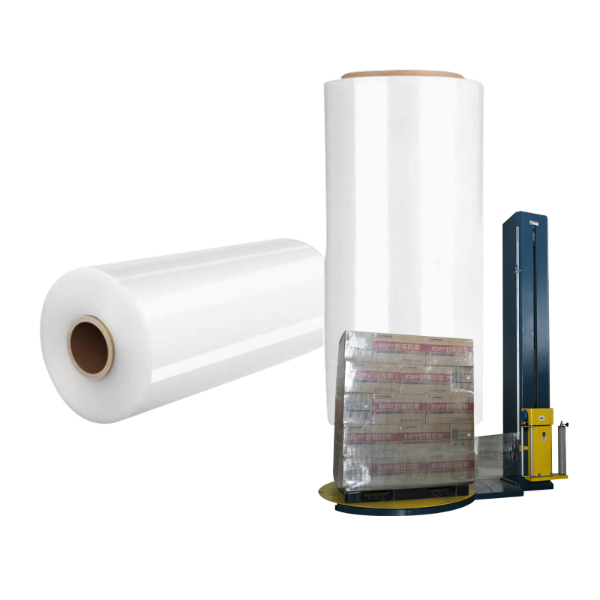
-
How Stretch Films Are Revolutionizing Packaging?
Introduction In recent years, the global packaging industry has witnessed remarkable transformations... -
How to Choose the Right Stretch Wrap Film for Industrial Packaging Needs
Selecting the optimal stretch wrap film is a critical decision in industrial packaging. The right ch... -
How to Choose the Right Packaging Tape for Your Business?
Introduction: A Small Tape with a Big Responsibility In the worlds of logistics, warehousing, and da... -
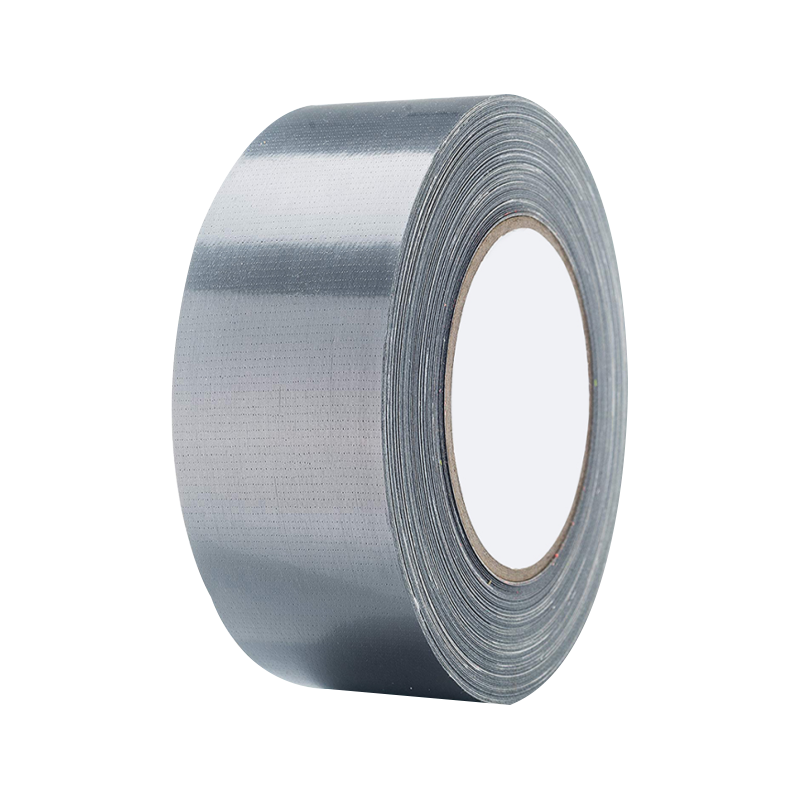
The Ultimate Guide to Waterproof Duct Tape
What is Waterproof Duct Tape? In modern life and industrial applications, Waterproof Duct Tape is no...
Message Us Right Now!
- Products
- Stretch Film
- BOPP Packing Tape
- Masking Tape
- Duct Tape
- PVC Tape
- Kraft Tape
- Double Side Tape
- Stationery Tape
- Crystal Clear Tape & Super Clear Tape
- NO NOISE Tape & Low Noise Tape
- Other Packaging Products
- Telephone
- +86-527-86881066
- +86-15925605882
- [email protected]
- Address
- NO.6 Hangzhouxi, Sihong Economic Development Zone, Sihong, Suqian 223900, Jiangsu, China


Copyright © Jiangsu Kingway Packaging Technology Co., Ltd.
Zhejiang Kingway Packaging Products Co., Ltd.
All rights reserved.
Wholesale Packaging Material Factory

