
 English
  Español
  Français
Kingway
Kingway
Kingway
Kingway
Kingway
Kingway
Kingway
Kingway
Kingway
Kingway
Kingway
Kingway
Kingway
Kingway
Kingway
Kingway
What Factors Affect the Performance of Stretch Wrap Film?
2025-11-14
Introduction
In modern packaging and logistics, the reliability and efficiency of stretch wrap film play a crucial role in maintaining product integrity during storage and transportation. As global supply chains demand greater packaging resilience and cost-efficiency, understanding the factors that affect the performance of stretch wrap film becomes essential for packaging engineers, procurement specialists, and quality managers. The performance of this material is determined by a combination of formulation, processing conditions, mechanical properties, and environmental influences. By identifying and controlling these variables, stretch wrap film manufacturers can optimize film quality while end users achieve more stable and economical packaging results.
Material Composition and Resin Quality
The foundation of stretch wrap film performance begins with its raw material composition. Most films are based on polyethylene variants, particularly linear low-density polyethylene (LLDPE), due to its balance between flexibility and strength. However, the type, purity, and blending ratio of resin have a decisive influence on stretchability, puncture resistance, and film clarity.
Key Considerations:
Resin Type – Different grades of polyethylene offer varying levels of elasticity and load retention. Films with metallocene-based resins generally provide higher stretch ratios and uniform thickness distribution.
Additives and Modifiers – Slip agents, UV stabilizers, and anti-blocking compounds enhance handling, durability, and storage performance.
Blend Consistency – Uneven mixing can lead to weak zones or inconsistent tension during wrapping, impacting load stability.
| Material Property | Description | Impact on Performance |
|---|---|---|
| Base Polymer | Typically LLDPE or blends with mLLDPE | Determines elasticity and load retention |
| Additive Package | UV stabilizers, anti-static, slip modifiers | Enhances handling, protection, and durability |
| Melt Flow Index | Indicator of molecular weight | Affects film processability and uniformity |
| Resin Purity | Low contaminant content | Improves optical clarity and mechanical consistency |
High-quality resin ensures predictable behavior during stretching and sealing, while lower-grade materials may exhibit inconsistent elongation and tear propagation, especially under dynamic transport conditions.
Film Structure and Layer Design
Modern stretch wrap films are engineered with multiple layers to balance mechanical performance and cost-efficiency. The structure—ranging from monolayer to seven-layer coextruded films—directly affects load containment, puncture strength, and film memory.
Monolayer Films: Economical but limited in stretch performance and tear resistance.
Multilayer Films: Each layer serves a functional purpose—core layers provide strength, outer layers contribute to cling and tear control.
Proper layer configuration allows the film to maintain uniform stretch across varied loads, preventing film snapping and excessive neck-down during application. Advanced stretch wrap film manufacturers use precise extrusion control to achieve stable layer adhesion and gauge accuracy, ensuring consistent performance throughout the roll.
Film Thickness and Gauge Control
The thickness of stretch wrap film significantly influences its mechanical properties and performance in wrapping operations. While thicker films offer stronger load retention and puncture resistance, they may increase material cost and wrapping effort. Conversely, ultra-thin films demand superior formulation to prevent breakage.
Key Performance Parameters:
Gauge Uniformity: Uneven thickness leads to inconsistent stretching, resulting in wasted material and poor containment force.
Stretch Ratio: The film’s ability to elongate under tension without tearing is a measure of its elasticity and tensile balance.
Tensile Strength: Ensures the film maintains stability when applied under load stress.
Technological advances such as automatic gauge control and precision extrusion enable modern production lines to deliver thinner, lighter films without compromising strength—helping optimize cost while maintaining protection.
Stretching and Application Conditions
Even the most advanced film can underperform if applied under improper conditions. The wrapping process—manual, semi-automatic, or fully automatic—introduces variables that affect final load containment.
Influencing Factors:
Pre-Stretch Level: Controlled elongation prior to wrapping determines the film’s ability to recover and hold tension.
Wrapping Speed: Excessive speed can cause film tears or insufficient containment force.
Tension Settings: Overstretching may thin the film too much, reducing puncture resistance, while insufficient tension leads to loose wrapping.
Load Shape and Weight: Irregularly shaped pallets require customized wrapping patterns and film overlap ratios.
Proper alignment between film specification and machine setup ensures optimal performance. For instance, high-performance stretch wrap film designed for 250% pre-stretch applications requires machines with precise tension control to achieve its full potential.
Environmental Conditions
Storage and operating environments exert a major influence on the long-term performance of stretch wrap film. Factors such as temperature, humidity, and UV exposure can alter the film’s physical properties over time.
Temperature Sensitivity: High temperatures soften the film, reducing load containment, while low temperatures increase brittleness.
Humidity and Moisture: Prolonged exposure to moisture can impact film tackiness and adhesion properties.
UV Radiation: Sunlight exposure accelerates polymer degradation, causing embrittlement and discoloration.
To counter these effects, stretch wrap film manufacturers often incorporate stabilizing additives that enhance thermal and UV resistance, ensuring stability in outdoor or long-term storage environments.
Mechanical and Optical Properties
The performance of stretch wrap film depends on a set of measurable properties that indicate how the material behaves under load. These characteristics determine film selection for various industries, from food logistics to industrial packaging.
| Property | Definition | Desired Performance |
|---|---|---|
| Elongation at Break | Maximum stretch before rupture | High elongation improves flexibility |
| Tensile Strength | Resistance to breaking under tension | Ensures secure load containment |
| Cling Force | Ability to adhere to itself | Prevents film unwinding |
| Tear Resistance | Resistance to propagation of cuts | Maintains integrity under stress |
| Optical Clarity | Transparency and gloss | Enables product visibility |
| Memory Effect | Film’s ability to recover after stretch | Maintains load stability over time |
Films with well-balanced mechanical and optical characteristics deliver superior packaging reliability and aesthetic appeal, minimizing material waste and downtime during wrapping operations.
Manufacturing Precision and Process Stability
Film quality is directly tied to the precision of production processes. Variables such as extrusion temperature, cooling rate, and winding tension all contribute to the film’s final properties. Advanced film lines employ automated systems for consistent melt flow, thickness control, and winding alignment.
Key aspects of production that impact performance include:
Extrusion Uniformity: Maintains molecular orientation and prevents weak spots.
Cooling Efficiency: Rapid and uniform cooling preserves clarity and dimensional stability.
Edge Trim Control: Reduces defects and ensures even tension distribution.
Winding Pressure: Prevents telescoping and maintains roll uniformity.
By optimizing these parameters, manufacturers ensure high repeatability and minimal defect rates, translating into reliable performance in real-world applications.
Compatibility with Packaging Machinery
Not all stretch wrap films perform equally across different types of wrapping equipment. Compatibility between film and machine ensures smooth operation and consistent wrapping quality.
Machine-Related Variables:
Pre-stretch carriage ratio and brake settings
Film roll width and core diameter
Film threading configuration and film path design
Environmental vibration or static buildup during wrapping
Selecting the right combination of film and machinery reduces material consumption, prevents film breakage, and enhances throughput efficiency. Stretch wrap film manufacturers often conduct performance validation under various machine settings to guarantee compatibility across industry applications.
Sustainable and Performance-Oriented Innovations
Environmental sustainability has become an integral part of modern packaging strategy. Stretch wrap film manufacturers are increasingly focusing on material reduction, recyclability, and bio-based alternatives without compromising functional performance.
Innovations include:
Down-Gauged Films: High-performance films with reduced thickness and equal strength.
Recyclable Materials: Formulations designed for easy post-use processing.
Bio-Polymer Integration: Renewable materials improving sustainability profile.
Performance Optimization: Enhanced stretch memory and tear resistance through molecular engineering.
These developments not only support corporate sustainability goals but also deliver tangible cost advantages by reducing material usage and improving load efficiency.
Quality Testing and Performance Evaluation
Consistent film quality is achieved through rigorous testing during and after production. Standardized testing protocols verify critical mechanical and optical parameters, ensuring each batch meets design specifications.
Common Tests Include:
Tensile and elongation testing
Puncture resistance measurement
Cling force evaluation
Load containment simulation
Film thickness and uniformity inspection
By maintaining strict quality assurance standards, manufacturers can ensure their stretch wrap film performs predictably under diverse handling and environmental conditions, safeguarding the goods throughout the logistics chain.
Conclusion
The performance of stretch wrap film is the result of complex interactions among material composition, structural design, application conditions, and environmental influences. To achieve optimal wrapping efficiency and load security, both users and stretch wrap film manufacturers must consider these variables as part of an integrated performance strategy. Continuous innovation in formulation and production technology continues to refine the balance between strength, elasticity, and sustainability—ensuring that stretch wrap film remains a cornerstone of modern packaging systems.
-
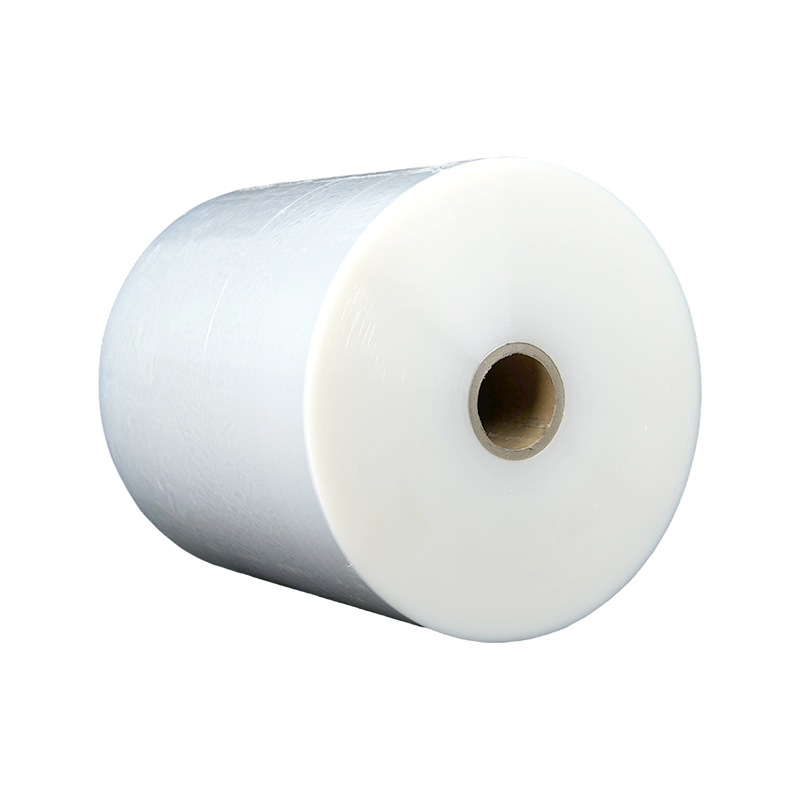
How Stretch Films Are Revolutionizing Packaging?
Introduction In recent years, the global packaging industry has witnessed remarkable transformations... -
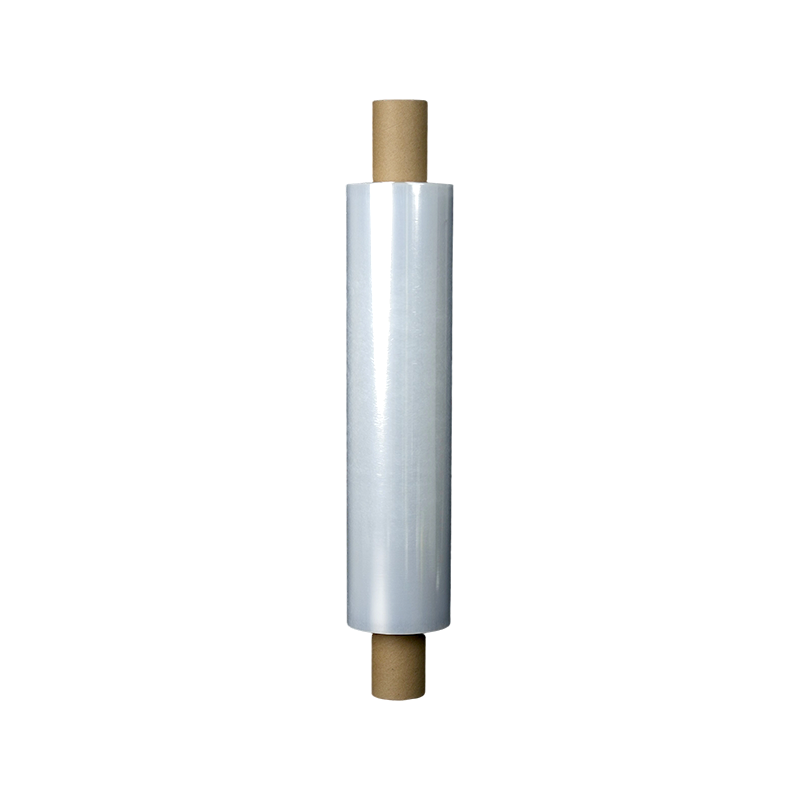
How to Choose the Right Stretch Wrap Film for Industrial Packaging Needs
Selecting the optimal stretch wrap film is a critical decision in industrial packaging. The right ch... -
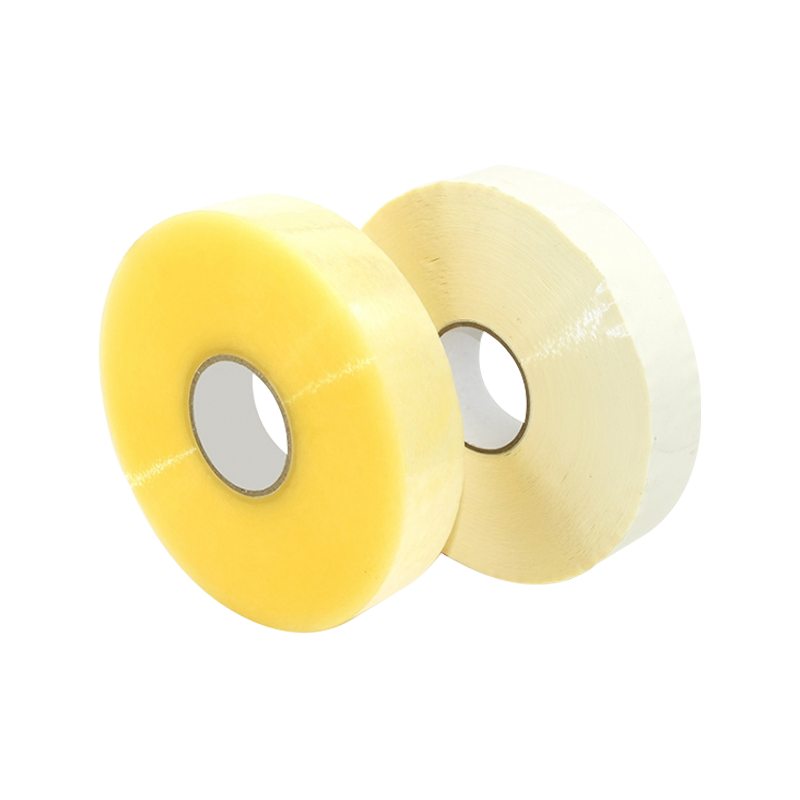
How to Choose the Right Packaging Tape for Your Business?
Introduction: A Small Tape with a Big Responsibility In the worlds of logistics, warehousing, and da... -
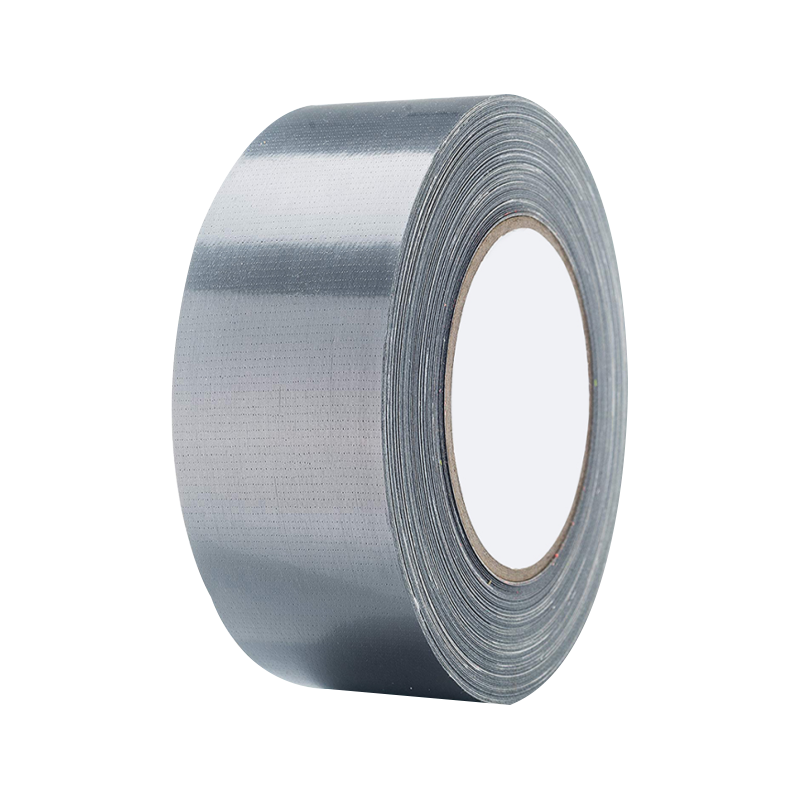
The Ultimate Guide to Waterproof Duct Tape
What is Waterproof Duct Tape? In modern life and industrial applications, Waterproof Duct Tape is no...
Message Us Right Now!
- Products
- Stretch Film
- BOPP Packing Tape
- Masking Tape
- Duct Tape
- PVC Tape
- Kraft Tape
- Double Side Tape
- Stationery Tape
- Crystal Clear Tape & Super Clear Tape
- NO NOISE Tape & Low Noise Tape
- Other Packaging Products
- Telephone
- +86-527-86881066
- +86-15925605882
- [email protected]
- Address
- NO.6 Hangzhouxi, Sihong Economic Development Zone, Sihong, Suqian 223900, Jiangsu, China


Copyright © Jiangsu Kingway Packaging Technology Co., Ltd.
Zhejiang Kingway Packaging Products Co., Ltd.
All rights reserved.
Wholesale Packaging Material Factory

