
 English
  Español
  Français
Kingway
Kingway
Kingway
Kingway
Kingway
Kingway
Kingway
Kingway
Kingway
Kingway
Kingway
Kingway
Kingway
Kingway
Kingway
Kingway
Stretch Wrap Film vs Shrink Film: Which Offers Better Protection?
2025-11-20
In the packaging industry, the choice between stretch wrap film and shrink film directly affects product security, storage efficiency, and transportation stability. Both materials are essential in protecting goods from external stress, moisture, and contamination, but their functional mechanisms and performance characteristics differ significantly. Understanding these differences is crucial for selecting the right material to optimize protection and operational efficiency.
Understanding the Functional Principles
The primary distinction between stretch wrap film and shrink film lies in their application methods and mechanical behavior during packaging. Stretch wrap film relies on its elastic recovery to hold items tightly together, while shrink film requires heat to conform to the product’s shape.
| Film Type | Mechanism of Action | Application Process | Typical Use Cases |
|---|---|---|---|
| Stretch Wrap Film | Applied by stretching and wrapping tension | Cold application using manual or machine wrap | Palletized goods, industrial packaging |
| Shrink Film | Contracts under heat to form a tight seal | Heat application using tunnel or gun | Retail packaging, multipacks |
The mechanical differences between these two materials determine not only their protective capabilities but also their energy requirements and packaging efficiency. Stretch wrap film offers versatility in cold environments, whereas shrink film provides uniform aesthetics for consumer-facing products.
Material Composition and Structural Properties
The performance of both films largely depends on their polymer composition. Most stretch wrap film is produced from linear low-density polyethylene (LLDPE), valued for its elasticity and puncture resistance. Shrink film, on the other hand, is often made from polyolefin (POF), polyethylene (PE), or polyvinyl chloride (PVC), depending on the intended shrink rate and clarity.
| Property | Stretch Wrap Film | Shrink Film |
|---|---|---|
| Primary Material | LLDPE | POF, PE, PVC |
| Elasticity | High | Moderate |
| Transparency | Medium to High | High |
| Shrink Response | None | Activated by heat |
| Recyclability | Good | Depends on polymer type |
The elastic properties of stretch wrap film enable it to maintain tension and conform tightly to the load without the need for heating, minimizing energy consumption. Shrink film, while offering superior optical clarity and smoothness, requires controlled heating, which increases energy use and operational complexity.
Protective Performance Analysis
Protection in packaging involves several dimensions: resistance to puncture, tear strength, moisture barrier, and load stability. While both film types serve as protective barriers, their effectiveness varies based on product type and storage conditions.
Impact and Tear Resistance
Stretch wrap film is engineered for tensile strength and puncture resistance, ideal for irregularly shaped loads. Its ability to stretch up to 300% before breaking allows it to absorb dynamic shocks during transit. Shrink film, in contrast, provides a firm, uniform seal but is more prone to tearing once punctured.
Moisture and Dust Protection
Shrink film forms a sealed cover when heat-shrunk, offering complete protection from dust and humidity. Stretch wrap film, though less hermetic, still provides adequate surface protection for palletized loads stored in warehouses.
Load Stability
Stretch wrap film’s cling and stretch recovery help stabilize loads during shipping, making it particularly suitable for bulk or industrial applications. Shrink film’s tight seal offers better unit protection but does not contribute to inter-package stability.
| Protective Factor | Preferred Film | Key Reason |
|---|---|---|
| Shock Absorption | Stretch Wrap Film | Elastic tension and flexibility |
| Full Enclosure | Shrink Film | Heat sealing ensures total coverage |
| Load Stability | Stretch Wrap Film | Prevents shifting during transit |
| Aesthetic Presentation | Shrink Film | Smooth and glossy finish |
Efficiency and Cost Implications
Operational efficiency and cost performance are key considerations when choosing between stretch wrap film and shrink film. Factors such as material usage, labor, and energy consumption influence the total packaging cost.
Material Utilization
Stretch wrap film requires only the tensioning force to secure goods, minimizing waste and allowing film thickness customization. Shrink film, though offering consistent coverage, may require additional trimming and heat energy, slightly increasing material consumption.
Energy and Labor Requirements
Shrink film’s heat application demands higher energy and specialized equipment, which can raise initial setup costs. Stretch wrap film can be applied manually or automatically without heat, making it more energy-efficient and suitable for various production scales.
| Evaluation Criteria | Stretch Wrap Film | Shrink Film |
|---|---|---|
| Energy Use | Low | High |
| Equipment Investment | Moderate | High |
| Application Speed | Fast | Moderate |
| Material Waste | Low | Medium |
| Cost Efficiency | High | Medium |
From a cost-performance standpoint, stretch wrap film generally offers a more sustainable and economical packaging solution for industrial and logistics environments.
Environmental Considerations
Sustainability has become a decisive factor in packaging material selection. Stretch wrap film demonstrates a lower environmental impact due to its cold-application process and recyclability. Shrink film’s heat requirement and certain polymer types can increase carbon emissions unless eco-friendly variants are used.
Recyclability and Disposal
Most stretch wrap film can be recycled after use, provided it is uncontaminated. Some advanced formulations even incorporate post-consumer recycled (PCR) content. Shrink films made from POF or PE are also recyclable, but PVC-based variants pose environmental challenges due to chlorine content.
Energy and Carbon Footprint
Stretch wrap film’s non-heating application contributes to lower energy consumption, making it advantageous in facilities focused on reducing carbon output. Shrink film, despite its superior visual appeal, typically involves higher thermal energy use.
| Environmental Factor | Stretch Wrap Film | Shrink Film |
|---|---|---|
| Energy Demand | Low | High |
| Carbon Emissions | Lower | Higher |
| Recyclability | Excellent | Variable |
| Waste Reduction | Efficient | Moderate |
Performance Suitability by Industry Application
Each film type demonstrates distinct suitability across industries, depending on packaging objectives. Stretch wrap film is widely used in logistics, warehousing, and industrial packaging, while shrink film is preferred in consumer goods and retail sectors where appearance matters.
| Industry | Recommended Film | Key Benefit |
|---|---|---|
| Logistics & Transportation | Stretch Wrap Film | Load stability and shock resistance |
| Food & Beverage | Shrink Film | Hygiene and clarity |
| Electronics | Stretch Wrap Film | Static protection and tight bundling |
| Retail Packaging | Shrink Film | Attractive finish and product visibility |
Comparative Evaluation: Which Offers Better Protection?
The concept of “better protection” depends on the product’s nature, packaging environment, and logistics conditions. For bulk shipments exposed to mechanical stress, stretch wrap film offers superior resilience and load containment. For individual products requiring aesthetic appeal and dustproof sealing, shrink film is the better choice.
Key Insights:
Stretch wrap film delivers excellent mechanical protection, flexibility, and energy efficiency.
Shrink film provides aesthetic integrity, product visibility, and complete surface sealing.
Thus, the optimal choice is application-specific: industrial users prioritize structural stability, while consumer goods packagers emphasize visual quality and shelf appeal.
Future Trends in Packaging Film Technology
Advancements in polymer science are driving innovation in both film types. Stretch wrap film development focuses on thinner gauges with enhanced strength and recyclability. Shrink film trends move toward bio-based and compostable materials to meet regulatory and environmental standards.
Emerging smart films with anti-static, UV-resistant, and oxygen barrier properties are reshaping packaging performance standards. Automation in wrapping and shrinking processes further improves consistency and reduces human error, aligning with the global push for sustainable and intelligent packaging systems.
Conclusion
The decision between stretch wrap film and shrink film should be guided by the intended application, protection requirements, and operational context. Stretch wrap film stands out in logistics and industrial use due to its flexibility, energy efficiency, and cost-effectiveness. Shrink film excels in retail and display applications where presentation and sealing integrity are critical. In essence, there is no universal “better” option—each film type fulfills distinct protective roles.
-
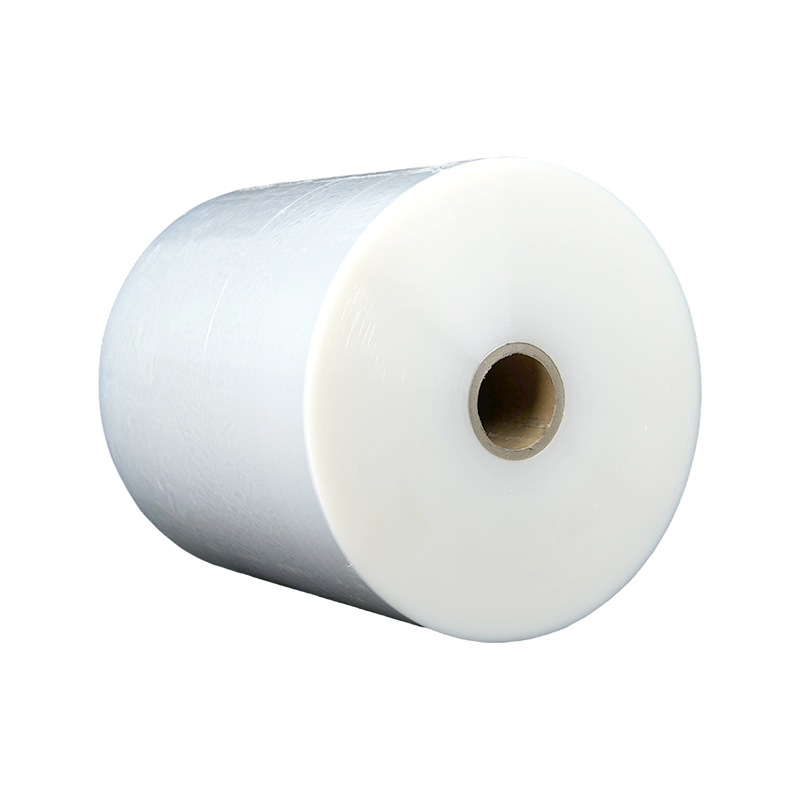
How Stretch Films Are Revolutionizing Packaging?
Introduction In recent years, the global packaging industry has witnessed remarkable transformations... -
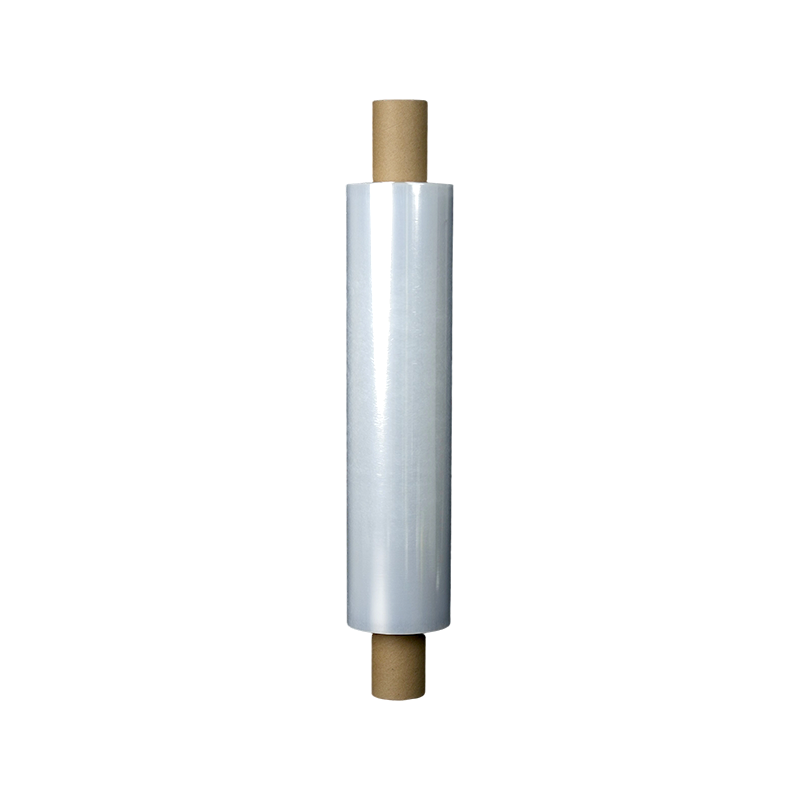
How to Choose the Right Stretch Wrap Film for Industrial Packaging Needs
Selecting the optimal stretch wrap film is a critical decision in industrial packaging. The right ch... -
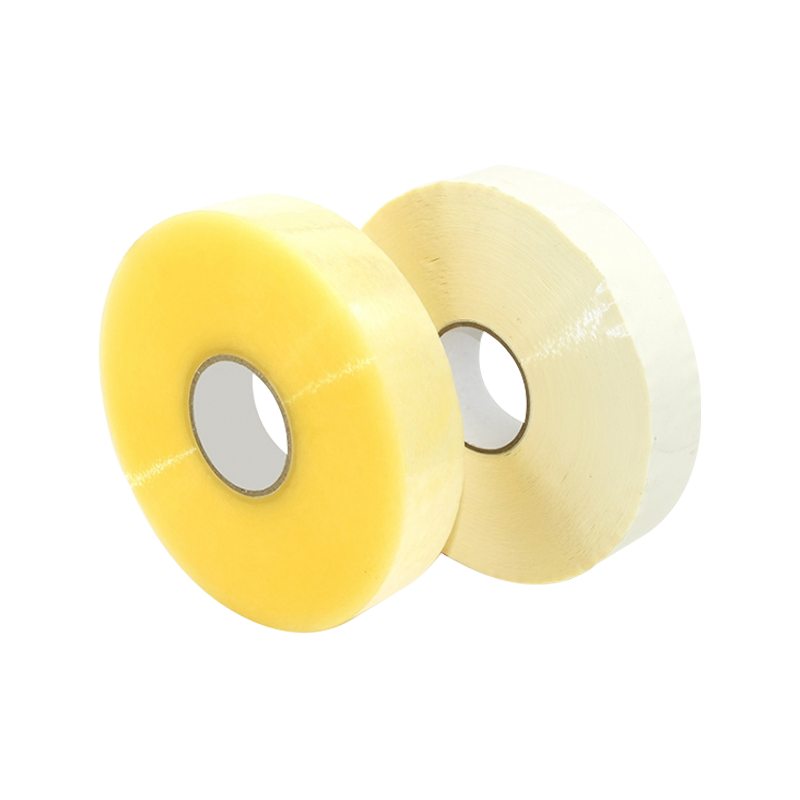
How to Choose the Right Packaging Tape for Your Business?
Introduction: A Small Tape with a Big Responsibility In the worlds of logistics, warehousing, and da... -
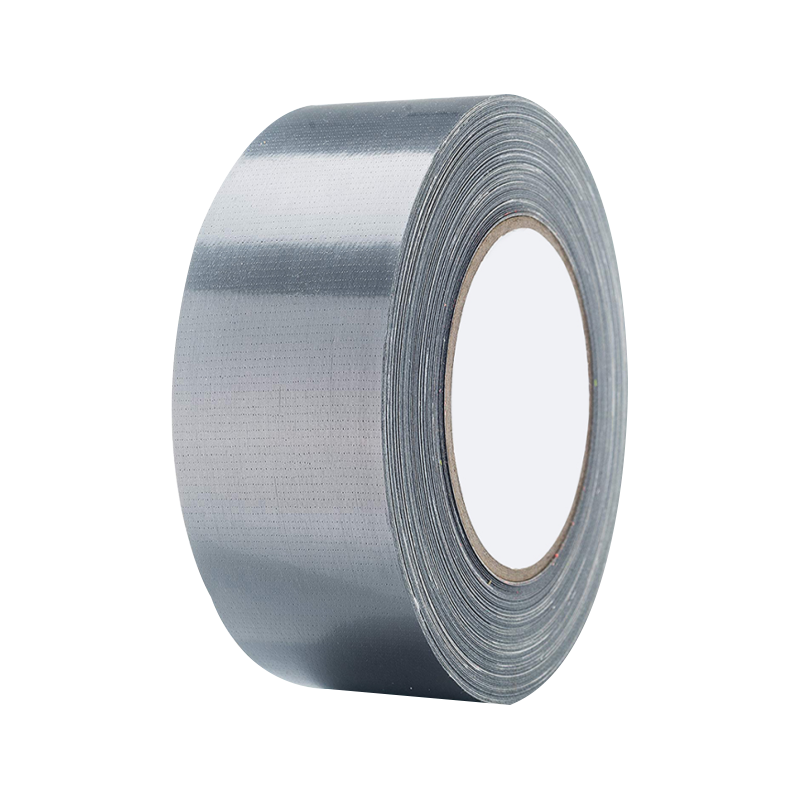
The Ultimate Guide to Waterproof Duct Tape
What is Waterproof Duct Tape? In modern life and industrial applications, Waterproof Duct Tape is no...
Message Us Right Now!
- Products
- Stretch Film
- BOPP Packing Tape
- Masking Tape
- Duct Tape
- PVC Tape
- Kraft Tape
- Double Side Tape
- Stationery Tape
- Crystal Clear Tape & Super Clear Tape
- NO NOISE Tape & Low Noise Tape
- Other Packaging Products
- Telephone
- +86-527-86881066
- +86-15925605882
- [email protected]
- Address
- NO.6 Hangzhouxi, Sihong Economic Development Zone, Sihong, Suqian 223900, Jiangsu, China


Copyright © Jiangsu Kingway Packaging Technology Co., Ltd.
Zhejiang Kingway Packaging Products Co., Ltd.
All rights reserved.
Wholesale Packaging Material Factory

