
 English
  Español
  Français
Kingway
Kingway
Kingway
Kingway
Kingway
Kingway
Kingway
Kingway
Kingway
Kingway
Kingway
Kingway
Kingway
Kingway
Kingway
Kingway
What Are the Different Types of Masking Tape and Their Applications?
2026-03-20
Masking tape is a versatile and essential tool used across various industries and applications. Made from masking paper coated with pressure-sensitive adhesive, this product is designed for temporary attachment and masking purposes. Masking tapes come in different forms and specifications, catering to specific needs in industries such as automotive, construction, and home improvement.
Introduction to Masking Tape
Masking tape is a roll of adhesive tape made from masking paper and pressure-sensitive glue as its primary materials. The adhesive on the tape is designed to bond temporarily to surfaces without causing damage upon removal. On the other side of the tape is an anti-sticking coating, which prevents the tape from adhering to itself.
This simple yet effective design makes masking tape an indispensable item in many sectors, from industrial manufacturing to precision work and home repairs. It is also customizable in terms of specifications, including temperature resistance and width, to suit the needs of various applications.
Types of Masking Tape
While all masking tapes share the same basic principle of adhesive application, they differ in terms of their materials, adhesive properties, and suitability for specific tasks. Below, we delve into the most common types of masking tape:
General Purpose Masking Tape
The most commonly used type of masking tape, this variant is designed for basic tasks like painting, sealing, and light-duty applications. It provides a strong bond to most surfaces but can be removed without leaving any sticky residue. General-purpose masking tape is perfect for projects that do not involve extreme conditions.
Applications:
- Painting walls or trim
- General sealing
- Light DIY projects
High-Temperature Masking Tape
As the name suggests, this type of masking tape is designed to withstand high temperatures. It is ideal for tasks that involve heat, such as powder coating, baking, or automotive refinishing. The adhesive and backing material used in high-temperature masking tapes are designed to handle temperatures ranging from 250°F to 500°F (121°C to 260°C), depending on the product.
Applications:
- Automotive painting
- Powder coating
- Industrial manufacturing
Crepe Paper Masking Tape
Crepe paper masking tape is a high-quality version of the general-purpose tape. It has a crepe texture, making it more flexible and stretchable than standard masking tapes. This quality makes it suitable for intricate curves and surfaces that are difficult to mask with regular tapes. The adhesive is also designed to leave minimal residue upon removal.
Applications:
- Automotive refinishing
- Precision painting
- Fine art applications
Blue Masking Tape
Blue masking tape is well-known for its ability to create clean lines and prevent paint bleed. It has a slightly stronger adhesive than general-purpose tape, making it suitable for tasks where precision is essential. The tape can be easily removed without causing damage or leaving sticky residue, making it a favorite among painters and contractors.
Applications:
- Painting walls, trim, and ceilings
- Creating sharp, defined lines
- General masking in construction and home improvement
Specialty Masking Tape for Electronic Applications
Specialty masking tapes designed for use in electronics feature a precise, clean-cut adhesive and a thin backing layer. These tapes are used for applications requiring precision, such as protecting sensitive surfaces during assembly or testing processes. They are often made of materials that resist chemicals and moisture to safeguard electronic components.
Applications:
- Electronics manufacturing
- Component protection during testing
- Moisture and chemical resistance applications
Double-Sided Masking Tape
This type of masking tape features adhesive on both sides, enabling it to bond to two surfaces simultaneously. Double-sided masking tape is often used in areas where the tape needs to be hidden between two surfaces, such as in graphic design, mounting, or lightweight bonding applications.
Applications:
- Graphic design
- Mounting objects
- Lightweight bonding
How Masking Tape Works: A Closer Look at Its Functionality
The key to masking tape’s success lies in its pressure-sensitive adhesive. This type of adhesive allows the tape to stick to a surface without the need for heat or solvent activation. The tape’s backing material, such as crepe paper or polyester, helps maintain its form while in use.
Once the tape is applied, the adhesive bonds to the surface, providing a temporary hold that can be easily removed. This feature makes masking tape ideal for precision tasks where masking needs to be temporary, such as in painting or manufacturing.
Selecting the Right Masking Tape for Your Needs
With so many types of masking tape available, it’s important to choose the right one for your specific task. Some key considerations when selecting masking tape include:
- Surface Type: Consider whether the tape will be applied to a smooth or textured surface.
- Temperature Resistance: For high-heat environments, make sure to choose a tape designed for such conditions.
- Precision Needs: For tasks requiring sharp paint lines or fine masking, blue or crepe paper tapes are ideal.
Common Applications for Masking Tape
Masking tape is used in a wide variety of industries and tasks. Below is a breakdown of some of the most common applications:
| Application | Tape Type | Features |
|---|---|---|
| Painting | General Purpose, Blue Masking Tape | Clean lines, easy removal, precise masking |
| Automotive Refinishing | High-Temperature Masking Tape, Crepe Paper Masking Tape | Heat resistance, flexibility, precision |
| Electronics Manufacturing | Specialty Masking Tape | Thin, moisture, and chemical-resistant |
| Construction | General Purpose, Blue Masking Tape | Strong bond, durable, clean removal |
| Graphic Design | Double-Sided Masking Tape | Lightweight bonding, mounting |
Advantages of Using Masking Tape
- Easy Removal: Masking tape can be removed easily without leaving sticky residue or damaging surfaces.
- Versatility: Suitable for a wide range of tasks, from DIY home repairs to precision industrial applications.
- Customizable: Available in various widths, lengths, and temperature resistance levels to suit different requirements.
FAQ
1. What is the best type of masking tape for automotive painting?
High-temperature masking tape and crepe paper masking tape are the best choices due to their heat resistance and precision.
2. Can masking tape be used outdoors?
Some masking tapes, particularly high-temperature and blue masking tapes, can be used outdoors, but ensure that the tape is rated for outdoor conditions.
3. How long can masking tape stay on a surface?
Most masking tapes can stay on a surface for up to a week, though it’s best to check the specific product’s recommendation for extended use.
4. Can masking tape be used for electrical purposes?
Yes, specialty masking tape designed for electronics is ideal for protecting sensitive components during assembly and testing.
5. How do I remove masking tape without leaving residue?
Ensure that you remove the tape carefully and within the recommended time frame to avoid residue. For stubborn adhesive, use a soft cloth and gentle solvent.
-
How Stretch Films Are Revolutionizing Packaging?
Introduction In recent years, the global packaging industry has witnessed remarkable transformations... -
How to Choose the Right Stretch Wrap Film for Industrial Packaging Needs
Selecting the optimal stretch wrap film is a critical decision in industrial packaging. The right ch... -
How to Choose the Right Packaging Tape for Your Business?
Introduction: A Small Tape with a Big Responsibility In the worlds of logistics, warehousing, and da... -
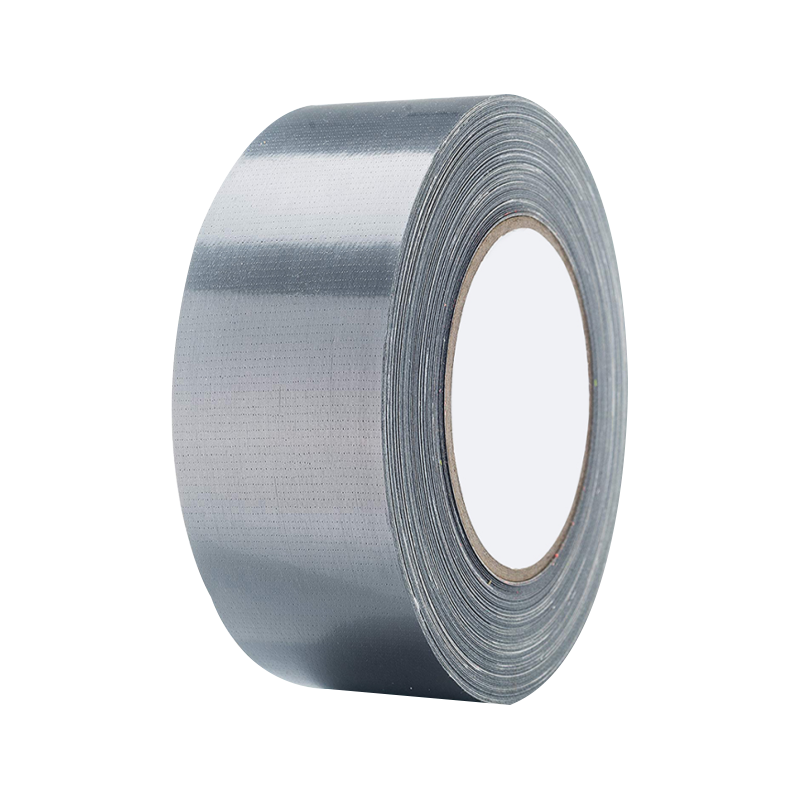
The Ultimate Guide to Waterproof Duct Tape
What is Waterproof Duct Tape? In modern life and industrial applications, Waterproof Duct Tape is no...
Message Us Right Now!
- Products
- Stretch Film
- BOPP Packing Tape
- Masking Tape
- Duct Tape
- PVC Tape
- Kraft Tape
- Double Side Tape
- Stationery Tape
- Crystal Clear Tape & Super Clear Tape
- NO NOISE Tape & Low Noise Tape
- Other Packaging Products
- Telephone
- +86-527-86881066
- +86-15925605882
- [email protected]
- Address
- NO.6 Hangzhouxi, Sihong Economic Development Zone, Sihong, Suqian 223900, Jiangsu, China


Copyright © Jiangsu Kingway Packaging Technology Co., Ltd.
Zhejiang Kingway Packaging Products Co., Ltd.
All rights reserved.
Wholesale Packaging Material Factory

