
 English
  Español
  Français
Kingway
Kingway
Kingway
Kingway
Kingway
Kingway
Kingway
Kingway
Kingway
Kingway
Kingway
Kingway
Kingway
Kingway
Kingway
Kingway
How Does BOPP Tape Compare to Other Types of Packaging Tapes?
2026-03-13
Introduction
In the world of packaging, choosing the right tape is crucial to ensuring that your products remain secure during storage and transit. BOPP tape (Biaxially Oriented Polypropylene) is one of the most widely used options in the packaging industry.
What is BOPP Tape?
BOPP tape is a packaging adhesive tape made from a polypropylene film that has been stretched in both directions, or “oriented.” This unique process gives BOPP tape its characteristic strength, clarity, and durability. BOPP tape is widely favored in various industries, particularly for sealing boxes, cartons, and packages.
Types of Packaging Tapes
Packaging tapes come in different varieties, each offering unique benefits for specific tasks. Here, we compare BOPP tape with other common types of packaging tapes:
BOPP Tape vs. PVC Tape
PVC (Polyvinyl Chloride) tape is another popular packaging solution, particularly in environments that require noise reduction during application. It is known for its high resistance to wear and tear.
| Feature | BOPP Tape | PVC Tape |
|---|---|---|
| Material Composition | Polypropylene | Polyvinyl Chloride |
| Strength | Medium to High | High |
| Durability | High | Very High |
| Noise Level During Use | Low | High |
| Application Temperature | Wide Range | Limited Range |
| Cost | Low | High |
Key Differences: BOPP tape is more affordable, lightweight, and offers a cleaner application with less noise compared to PVC tape. However, PVC tape often provides better durability and is favored for heavy-duty applications.
BOPP Tape vs. Paper Tape
Paper tape is eco-friendly, offering a biodegradable alternative to plastic-based tapes. It is often used for sealing boxes in more environmentally conscious settings.
| Feature | BOPP Tape | Paper Tape |
|---|---|---|
| Material Composition | Polypropylene | Paper |
| Strength | Medium to High | Low to Medium |
| Durability | High | Medium |
| Recyclability | Low | High |
| Cost | Low | Medium |
Key Differences: While BOPP tape is durable and cost-effective, paper tape is the go-to choice for environmentally conscious businesses. Paper tape offers less strength but can be recycled easily.
BOPP Tape vs. Cloth Tape
Cloth tape is more robust and resistant to tearing, making it suitable for tough applications. It’s often used in the automotive and construction industries for bundling, sealing, and repairing.
| Feature | BOPP Tape | Cloth Tape |
|---|---|---|
| Material Composition | Polypropylene | Fabric (Cloth) |
| Strength | Medium to High | Very High |
| Durability | High | High |
| Flexibility | Low | High |
| Cost | Low | High |
Key Differences: Cloth tape offers superior strength and flexibility compared to BOPP tape, making it more suitable for heavy-duty tasks. However, BOPP tape remains the better choice for cost-effective, high-volume applications.
Advantages of BOPP Tape
BOPP tape offers several benefits that make it a popular choice for a wide range of packaging applications:
- Cost-Effective: BOPP tape is relatively inexpensive compared to PVC and cloth tapes, making it a budget-friendly solution for bulk packaging.
- High Durability: BOPP tape is resistant to temperature changes, making it ideal for both hot and cold environments.
- Clear and Transparent: The transparency of BOPP tape allows for easy identification of package contents without the need to remove the tape.
- Versatility: BOPP tape can be used on a variety of surfaces, including cardboard, plastic, and metal, making it versatile for different industries.
- Easy to Apply: The tape’s smooth surface and quiet unwind provide a user-friendly experience, making it ideal for fast-paced packaging environments.
Disadvantages of BOPP Tape
While BOPP tape is an excellent choice for most packaging needs, it does come with some drawbacks:
- Limited Environmental Benefits: Unlike paper tape, BOPP tape is not biodegradable, which may be a concern for companies aiming for eco-friendly practices.
- Not Suitable for Extreme Conditions: Although BOPP tape performs well in most environments, it might not be the best option for extreme conditions like high humidity or sub-zero temperatures.
Comparing the Cost-Effectiveness of BOPP Tape
One of the primary reasons BOPP tape stands out is its affordability. In high-volume packaging environments, where tape consumption is constant, BOPP tape provides a cost-effective solution without compromising on performance.
Below is a comparison of cost per meter for different types of tapes:
| Tape Type | Cost per Meter |
|---|---|
| BOPP Tape | Low |
| PVC Tape | High |
| Paper Tape | Medium |
| Cloth Tape | High |
Applications of BOPP Tape
BOPP tape is used in a variety of industries for different packaging needs, such as:
- Logistics and Shipping: BOPP tape is extensively used for sealing boxes and packages, ensuring that contents are secured during transit.
- Warehousing: BOPP tape is often used for palletizing and bundling, offering a reliable way to group items together.
- Retail: Retailers use BOPP tape for securing products and ensuring that packages are tamper-evident.
Choosing the Right Tape for Your Packaging Needs
Choosing the right type of tape depends on several factors, including budget, application requirements, and environmental concerns. For general-purpose packaging, BOPP tape is an excellent choice due to its balance of cost, performance, and ease of use. However, for specialized applications, such as high-strength sealing or environmentally-conscious packaging, other tape types may be more suitable.
FAQ
Q1: Is BOPP tape suitable for heavy-duty packaging?
Yes, BOPP tape is durable enough for most packaging needs, but for extremely heavy-duty applications, other tapes like PVC or cloth tape might be better options.
Q2: Can BOPP tape be used in extreme weather conditions?
BOPP tape performs well in a wide range of temperatures but may not be suitable for very high or very low temperatures compared to other types of tape.
Q3: What is the most cost-effective packaging tape?
BOPP tape is the most cost-effective packaging tape for general applications due to its low cost and high performance.
Q4: How does BOPP tape compare to paper tape in terms of environmental impact?
Paper tape is more eco-friendly than BOPP tape, as it is biodegradable, whereas BOPP tape is not.
Q5: Can BOPP tape be used on all surfaces?
Yes, BOPP tape is versatile and can be applied to cardboard, plastics, and metals, making it ideal for various packaging tasks.
-
How Stretch Films Are Revolutionizing Packaging?
Introduction In recent years, the global packaging industry has witnessed remarkable transformations... -
How to Choose the Right Stretch Wrap Film for Industrial Packaging Needs
Selecting the optimal stretch wrap film is a critical decision in industrial packaging. The right ch... -
How to Choose the Right Packaging Tape for Your Business?
Introduction: A Small Tape with a Big Responsibility In the worlds of logistics, warehousing, and da... -
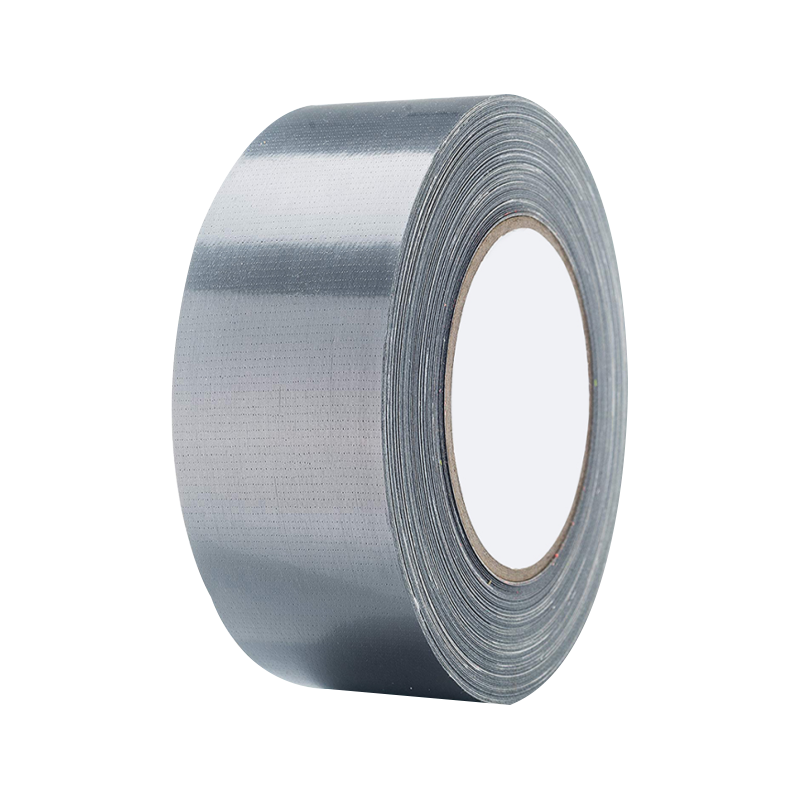
The Ultimate Guide to Waterproof Duct Tape
What is Waterproof Duct Tape? In modern life and industrial applications, Waterproof Duct Tape is no...
Message Us Right Now!
- Products
- Stretch Film
- BOPP Packing Tape
- Masking Tape
- Duct Tape
- PVC Tape
- Kraft Tape
- Double Side Tape
- Stationery Tape
- Crystal Clear Tape & Super Clear Tape
- NO NOISE Tape & Low Noise Tape
- Other Packaging Products
- Telephone
- +86-527-86881066
- +86-15925605882
- [email protected]
- Address
- NO.6 Hangzhouxi, Sihong Economic Development Zone, Sihong, Suqian 223900, Jiangsu, China


Copyright © Jiangsu Kingway Packaging Technology Co., Ltd.
Zhejiang Kingway Packaging Products Co., Ltd.
All rights reserved.
Wholesale Packaging Material Factory

