
 English
  Español
  Français
Kingway
Kingway
Kingway
Kingway
Kingway
Kingway
Kingway
Kingway
Kingway
Kingway
Kingway
Kingway
Kingway
Kingway
Kingway
Kingway
What Are the Different Types of Packing Tape and Their Uses?
2025-12-11
Packing tape is an essential tool in various industries, used for sealing, securing, and packaging materials. Whether you’re moving, storing products, or shipping goods, the type of packing tape you choose can make a significant difference in the effectiveness and durability of the packaging.
Understanding the Basics of Packing Tape
Packing tape, also known as parcel tape or sealing tape, is typically made from a combination of materials, with BOPP (Biaxially Oriented Polypropylene) film being a common substrate. This film is coated with a pressure-sensitive adhesive, often based on butyl ester. The adhesive allows the tape to stick to surfaces without requiring heat or water activation.
The primary function of packing tape is to seal boxes and packages securely. Depending on the specific requirements, packing tape comes in various types, each offering different advantages.
Types of Packing Tape
Here are the main types of packing tape available, along with their unique characteristics and uses:
Standard Clear Packing Tape
Clear packing tape is the most commonly used variety. It is made with a transparent BOPP film and a pressure-sensitive adhesive. This type of tape is ideal for everyday packaging needs.
Uses:
- General shipping and moving applications
- Sealing cardboard boxes for storage or delivery
- Suitable for home, office, or industrial use
Advantages:
- Easily blends with the packaging surface, maintaining a clean look
- Reliable adhesive strength
Colored Packing Tape
Colored packing tape is available in a range of colors, including red, blue, green, and even custom colors. The primary purpose of colored tape is to enhance organization and provide visual appeal.
Uses:
- Color-coding shipments or packages
- Marking special products for identification
- Enhancing branding and aesthetics for retail packaging
Advantages:
- Easy identification of different items or shipments
- Adds a professional appearance to the package
Printed Packing Tape
Printed packing tape features logos, brand names, or custom messages printed on the surface. This type is often used by businesses looking to reinforce their brand image while sealing packages.
Uses:
- Branding for shipping and delivery
- Promotional or instructional messages on packages
- Customization for corporate packaging
Advantages:
- Promotes brand visibility
- Can carry important information, such as handling instructions
Reinforced Packing Tape
Reinforced packing tape is specially designed for heavier, more demanding packaging tasks. It contains fibers or threads embedded into the film, giving it extra strength and durability.
Uses:
- Securing large or heavy boxes
- Shipping fragile or high-value items that require additional protection
- Suitable for industrial or high-security environments
Advantages:
- Increased tensile strength
- Stronger adhesive properties that make it resistant to stretching and tearing
Stretchable Packing Tape
Stretchable packing tape is designed to stretch when applied, making it ideal for wrapping around irregularly shaped items or creating tighter seals.
Uses:
- Wrapping pallets or large packages
- Securing irregularly shaped items or bundles
- Protective wrapping for products during transit
Advantages:
- Increased flexibility
- Adapts to the shape of the items being packed
Double-Sided Packing Tape
Double-sided packing tape has adhesive on both sides, making it useful for tasks that require bonding two surfaces together, such as mounting materials or attaching packaging components.
Uses:
- Holding items together temporarily during packaging
- Mounting or attaching lightweight materials
- Ideal for creating custom box seals or assembling display materials
Advantages:
- Provides adhesive support on both surfaces
- Works well for lightweight bonding applications
Paper Packing Tape
Paper packing tape is made from paper materials, often with a water-activated adhesive. This type of tape is commonly used in eco-friendly packaging applications.
Uses:
- Sustainable packaging solutions
- Packaging for eco-conscious companies or individuals
- Sealing boxes in a way that aligns with green initiatives
Advantages:
- Biodegradable and recyclable
- Ideal for environmentally conscious consumers
Factors to Consider When Choosing Packing Tape
Choosing the right packing tape can significantly impact the durability and effectiveness of your packaging. Below are some factors to consider when making a decision:
Adhesive Strength
The strength of the adhesive determines how well the tape will bond to surfaces. For heavy-duty applications, it’s essential to choose tape with strong adhesive properties to ensure that boxes remain sealed during transit.
Tape Width
Packing tape comes in various widths, typically ranging from 1 inch to 3 inches. The width you select depends on the size and weight of the box being sealed. Wider tape is more suitable for larger boxes or heavier products.
Tape Thickness
Tape thickness is another important factor, especially for heavy-duty packaging. Thicker tapes offer better resistance to tearing, while thinner tapes are better suited for lighter packages.
Environmental Conditions
Consider the environment in which the tape will be used. Some tapes are designed to withstand extreme temperatures, humidity, or exposure to UV light. For example, certain types of packing tape are better suited for outdoor storage or shipping.
Material of the Surface
The surface you are sealing plays a role in determining the type of tape you should use. Some tapes adhere better to cardboard, while others work better on plastic or metal surfaces.
Benefits of Using the Right Packing Tape
Using the correct type of packing tape for your needs offers numerous benefits:
| Benefit | Description |
|---|---|
| Enhanced Security | Properly sealed boxes prevent tampering and reduce the risk of items falling out. |
| Improved Organization | Colored and printed tapes help keep track of shipments and simplify sorting. |
| Better Protection for Contents | Stronger tapes provide additional durability for fragile items, minimizing damage. |
| Cost-Efficiency | Using the right tape ensures that you do not need to repackage items due to failed seals. |
| Brand Promotion | Printed packing tape promotes your business and increases brand awareness. |
By understanding the different types of packing tape and their uses, you can make informed decisions that align with your packaging needs, whether for personal, business, or industrial purposes.
FAQ
Q1: What is the difference between standard packing tape and reinforced packing tape?
Reinforced packing tape has embedded fibers or threads that provide additional strength and durability compared to standard packing tape. It is designed for heavy-duty applications and high-stress packaging.
Q2: Can packing tape be used for outdoor storage?
Yes, but it depends on the type of tape. Some packing tapes are designed to resist UV rays, moisture, and temperature fluctuations, making them suitable for outdoor use. Always check the tape’s specifications for outdoor suitability.
Q3: Is there a difference between packing tape for light and heavy-duty applications?
Yes, heavy-duty packing tape is thicker, stronger, and often reinforced with fibers or other materials to handle heavier weights and provide better protection during transit. Light-duty tape is generally thinner and works well for standard packaging needs.
Q4: Can I use packing tape on surfaces other than cardboard?
Packing tape works on a variety of surfaces, including plastic, metal, and glass. However, the adhesion strength may vary depending on the material, so ensure you select the right tape for the surface you are working with.
Q5: How do I determine the appropriate width of packing tape for my packaging?
The width of the tape should be chosen based on the size of the box or package. For small or light packages, a narrower tape (1 to 2 inches) is sufficient, while larger boxes may require wider tape (2 to 3 inches) to ensure a secure seal.
-
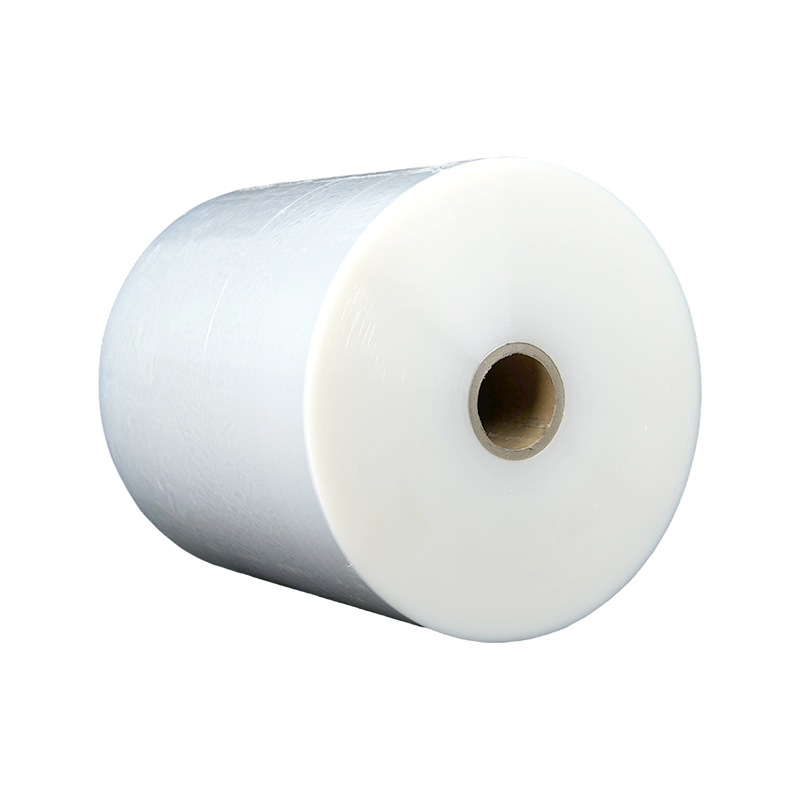
How Stretch Films Are Revolutionizing Packaging?
Introduction In recent years, the global packaging industry has witnessed remarkable transformations... -
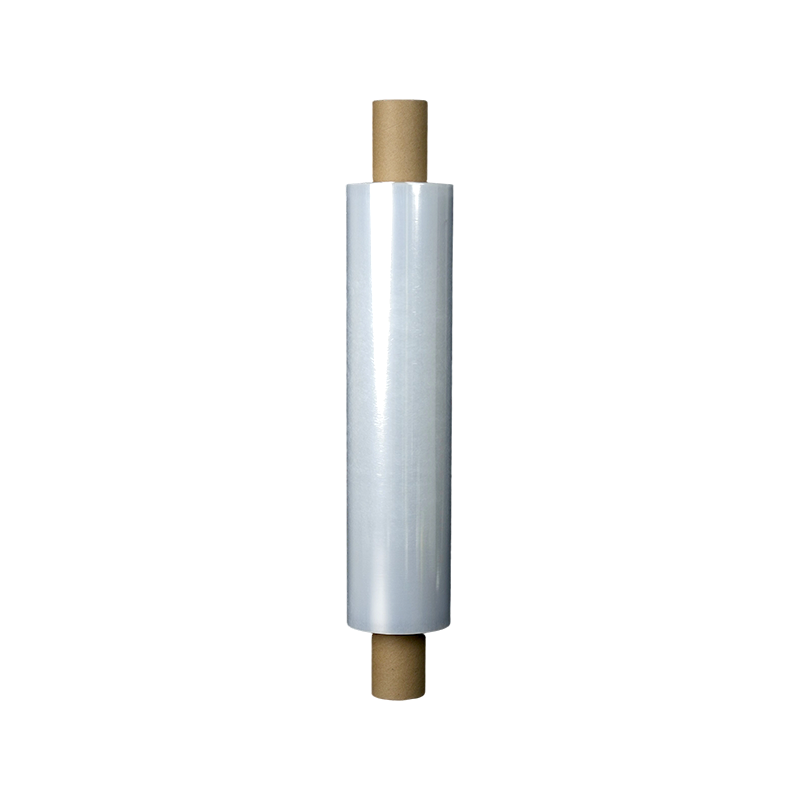
How to Choose the Right Stretch Wrap Film for Industrial Packaging Needs
Selecting the optimal stretch wrap film is a critical decision in industrial packaging. The right ch... -
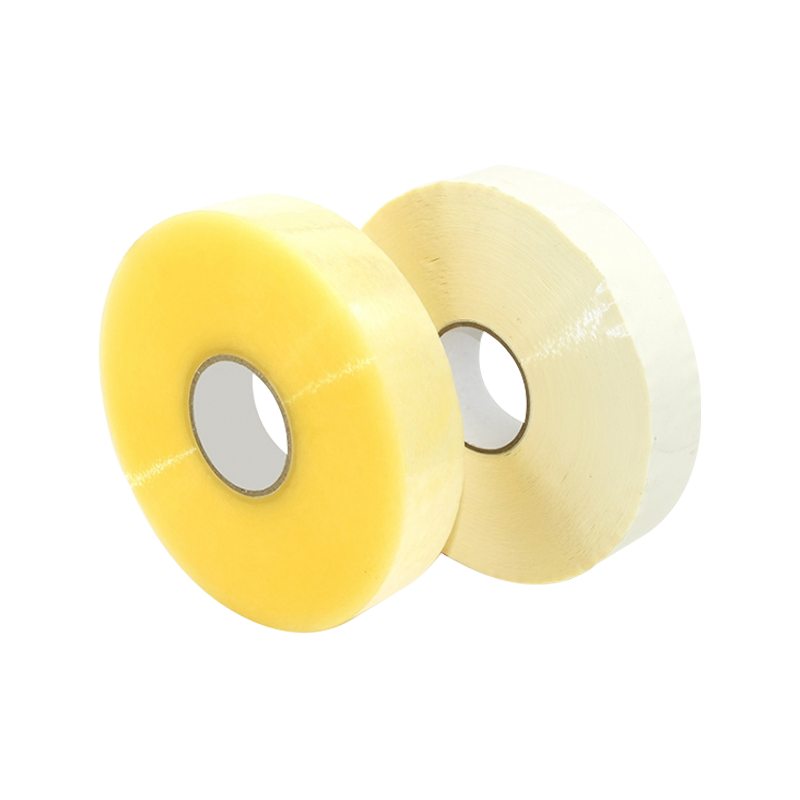
How to Choose the Right Packaging Tape for Your Business?
Introduction: A Small Tape with a Big Responsibility In the worlds of logistics, warehousing, and da... -
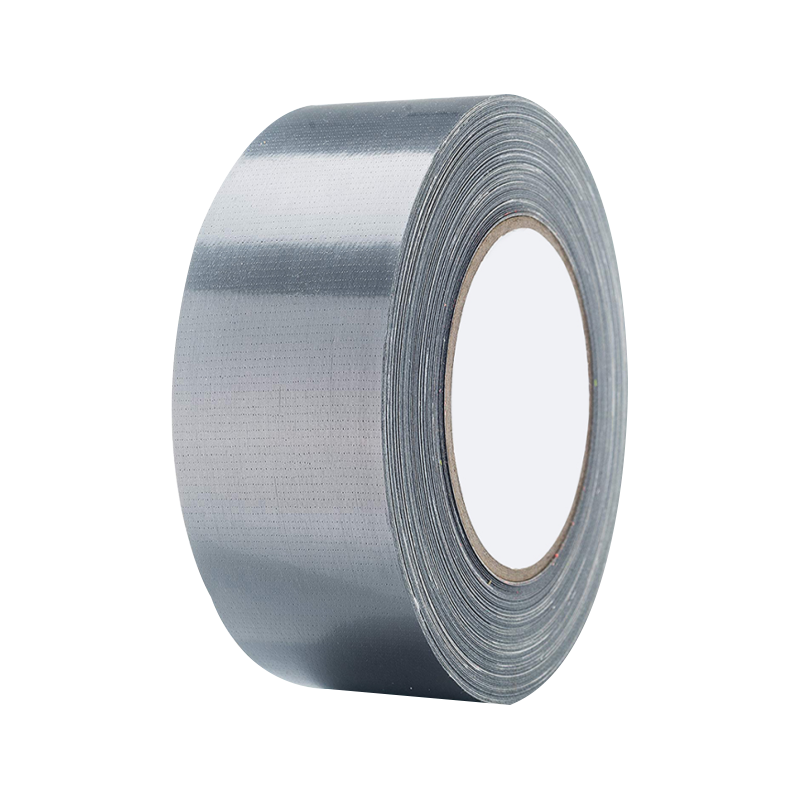
The Ultimate Guide to Waterproof Duct Tape
What is Waterproof Duct Tape? In modern life and industrial applications, Waterproof Duct Tape is no...
Message Us Right Now!
- Products
- Stretch Film
- BOPP Packing Tape
- Masking Tape
- Duct Tape
- PVC Tape
- Kraft Tape
- Double Side Tape
- Stationery Tape
- Crystal Clear Tape & Super Clear Tape
- NO NOISE Tape & Low Noise Tape
- Other Packaging Products
- Telephone
- +86-527-86881066
- +86-15925605882
- [email protected]
- Address
- NO.6 Hangzhouxi, Sihong Economic Development Zone, Sihong, Suqian 223900, Jiangsu, China


Copyright © Jiangsu Kingway Packaging Technology Co., Ltd.
Zhejiang Kingway Packaging Products Co., Ltd.
All rights reserved.
Wholesale Packaging Material Factory

