
 English
  Español
  Français
Kingway
Kingway
Kingway
Kingway
Kingway
Kingway
Kingway
Kingway
Kingway
Kingway
Kingway
Kingway
Kingway
Kingway
Kingway
Kingway
How Do You Choose the Right Stretch Film Thickness for Your Needs?
2026-04-03
Introduction
In modern logistics and packaging operations, selecting the appropriate stretch film thickness is a critical decision that directly affects load stability, product protection, and overall operational efficiency. Whether used in warehousing, transportation, or industrial packaging, stretch film plays a central role in securing goods and minimizing damage.
Despite its widespread use, many businesses struggle to determine the optimal thickness for their specific requirements. Choosing a film that is too thin may compromise load integrity, while selecting an unnecessarily thick film can increase costs and reduce efficiency. Understanding how to balance these factors is essential for making informed decisions.
Understanding Stretch Film Thickness
Stretch film thickness is typically measured in microns or gauge and represents the film’s ability to withstand tension and resist tearing during application and transport. However, thickness alone does not determine performance. Instead, it must be evaluated alongside material composition, elasticity, and load requirements.
Stretch film, especially LLDPE stretch wrap film, is designed to stretch significantly while maintaining strength. This allows it to secure loads tightly without excessive material usage. The effectiveness of a film depends on how well it combines stretchability with puncture resistance.
Thinner films often provide excellent flexibility and cost savings, but they may lack durability for heavier or irregular loads. Thicker films, on the other hand, offer enhanced strength but can lead to overuse of material if not properly matched to the application.
Key Factors Influencing Thickness Selection
Choosing the correct stretch film thickness requires a comprehensive evaluation of several factors. Each of these elements plays a role in determining the level of protection and containment needed.
Load Weight and Stability
Heavier loads typically require thicker stretch wrap film to ensure sufficient containment force. However, stable and uniformly stacked loads may still perform well with thinner films if properly applied.
Load Shape and Surface
Irregular or sharp-edged loads increase the risk of punctures and tears. In such cases, a thicker or more puncture-resistant LLDPE stretch wrap film is recommended to maintain integrity throughout handling and transport.
Transportation Conditions
Long-distance shipping, vibration, and environmental exposure can all impact load stability. Thicker films may provide additional security in demanding logistics environments.
Wrapping Method
The choice between manual and machine application significantly affects thickness requirements. Machine-applied stretch film often allows for thinner films due to consistent tension and stretch ratios.
Common Thickness Ranges and Applications
To better understand how thickness correlates with application, the following table outlines typical ranges and their recommended uses:
| Thickness Range (Microns) | Application Type | Load Characteristics | Key Benefits |
|---|---|---|---|
| 8–12 | Light-duty packaging | Small, stable, lightweight loads | Cost-effective, flexible |
| 12–17 | General-purpose wrapping | Medium-weight, uniform loads | Balanced strength and economy |
| 17–23 | Heavy-duty applications | Large, heavy, or irregular loads | High puncture resistance |
| 23+ | Industrial and extreme loads | Very heavy or sharp-edged products | Maximum durability and security |
This table serves as a general guideline. Actual selection should be tailored to specific operational conditions and performance expectations.
The Role of LLDPE in Stretch Film Performance
LLDPE stretch wrap film is widely used due to its superior mechanical properties. Linear low-density polyethylene offers excellent elongation, tear resistance, and clarity, making it suitable for a broad range of applications.
One of the key advantages of LLDPE stretch wrap film is its ability to maintain consistent performance across different thickness levels. This means that, in some cases, a thinner LLDPE-based film can outperform a thicker film made from less advanced materials.
Additionally, LLDPE allows for enhanced load retention through elastic recovery. After being stretched, the film attempts to return to its original shape, creating a tight and secure wrap around the load.
Cost vs Performance: Finding the Right Balance
Selecting the right stretch film thickness is not just a technical decision—it is also an economic one. Businesses must balance material costs with performance requirements to achieve optimal results.
Using excessively thick film can lead to unnecessary expenses and increased material waste. Conversely, choosing a film that is too thin may result in product damage, load instability, and higher overall costs due to losses and rework.
A cost-performance analysis can help identify the most efficient solution. This involves evaluating factors such as:
- Film consumption per pallet
- Load failure rates
- Labor efficiency
- Equipment compatibility
By optimizing these variables, companies can reduce total packaging costs while maintaining high levels of protection.
Advanced Considerations for Thickness Optimization
Beyond basic selection criteria, several advanced strategies can further improve stretch film performance.
Pre-Stretch Technology
Pre-stretching the film before application enhances its strength and reduces material usage. This technique is particularly effective with machine-applied stretch wrap film.
Multi-Layer Film Structures
Modern stretch film often features multi-layer designs that combine different material properties. These films can offer improved puncture resistance and load stability without increasing overall thickness.
Environmental Impact
Reducing film thickness without compromising performance contributes to sustainability goals. Thinner, high-performance films help minimize plastic consumption and waste.
Practical Guidelines for Selection
To simplify the decision-making process, the following table summarizes recommended approaches based on common packaging scenarios:
| Scenario | Recommended Thickness | Film Type Preference | Notes |
|---|---|---|---|
| Lightweight retail goods | Thin | Standard stretch film | Focus on cost efficiency |
| Palletized consumer products | Medium | LLDPE stretch wrap film | Balance between strength and stretch |
| Industrial equipment | Thick | Reinforced stretch film | Prioritize puncture resistance |
| Irregular or sharp loads | Thick | High-performance LLDPE film | Ensure durability during handling |
Common Mistakes to Avoid
Even experienced operators can make errors when choosing stretch film thickness. Avoiding these common mistakes can significantly improve packaging outcomes:
- Relying solely on thickness without considering material quality
- Overestimating load requirements and using excessively thick film
- Ignoring the impact of wrapping equipment and application method
- Failing to test different film options under real conditions
A systematic approach to evaluation and testing is essential for achieving optimal results.
Conclusion
Choosing the right stretch film thickness is a critical aspect of effective packaging strategy. It requires a careful balance between load requirements, material properties, and cost considerations.
By understanding the characteristics of stretch film, particularly LLDPE stretch wrap film, and evaluating key factors such as load type, transportation conditions, and application methods, businesses can make informed decisions that enhance both efficiency and protection.
Ultimately, the goal is not to use the thickest film available, but to select the most appropriate solution for the specific application. With the right approach, it is possible to achieve reliable load stability while minimizing material usage and operational costs.
FAQ
1. What is the most common thickness for stretch film?
The most commonly used thickness falls within the medium range, as it provides a good balance between strength and cost for general-purpose applications.
2. Can thinner stretch film replace thicker film?
Yes, in many cases. High-quality LLDPE stretch wrap film can deliver comparable performance at lower thickness levels due to its superior elasticity and strength.
3. How does load shape affect film thickness choice?
Irregular or sharp-edged loads require thicker or more durable film to prevent punctures and ensure secure wrapping.
4. Is thicker stretch film always better?
No. Thicker film may increase costs and material usage without providing additional benefits if the load does not require it.
5. How can I test the right thickness for my application?
Conduct real-world trials with different stretch wrap film options, evaluating load stability, material usage, and overall performance before making a final decision.
-
How Stretch Films Are Revolutionizing Packaging?
Introduction In recent years, the global packaging industry has witnessed remarkable transformations... -
How to Choose the Right Stretch Wrap Film for Industrial Packaging Needs
Selecting the optimal stretch wrap film is a critical decision in industrial packaging. The right ch... -
How to Choose the Right Packaging Tape for Your Business?
Introduction: A Small Tape with a Big Responsibility In the worlds of logistics, warehousing, and da... -
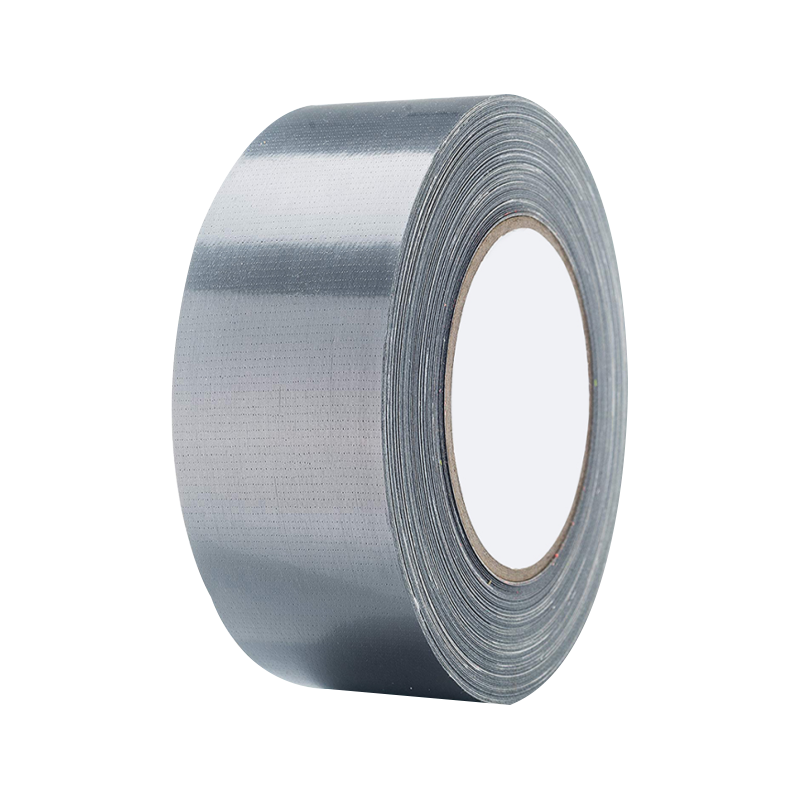
The Ultimate Guide to Waterproof Duct Tape
What is Waterproof Duct Tape? In modern life and industrial applications, Waterproof Duct Tape is no...
Message Us Right Now!
- Products
- Stretch Film
- BOPP Packing Tape
- Masking Tape
- Duct Tape
- PVC Tape
- Kraft Tape
- Double Side Tape
- Stationery Tape
- Crystal Clear Tape & Super Clear Tape
- NO NOISE Tape & Low Noise Tape
- Other Packaging Products
- Telephone
- +86-527-86881066
- +86-15925605882
- [email protected]
- Address
- NO.6 Hangzhouxi, Sihong Economic Development Zone, Sihong, Suqian 223900, Jiangsu, China


Copyright © Jiangsu Kingway Packaging Technology Co., Ltd.
Zhejiang Kingway Packaging Products Co., Ltd.
All rights reserved.
Wholesale Packaging Material Factory

